COS News
Research
“The basic premise is that AI can help us do better physics, and something that is less expected is that physics can also help us understand AI better,” said Northeastern professor James Halverson.
AI and physics have more in common than you might think.
News
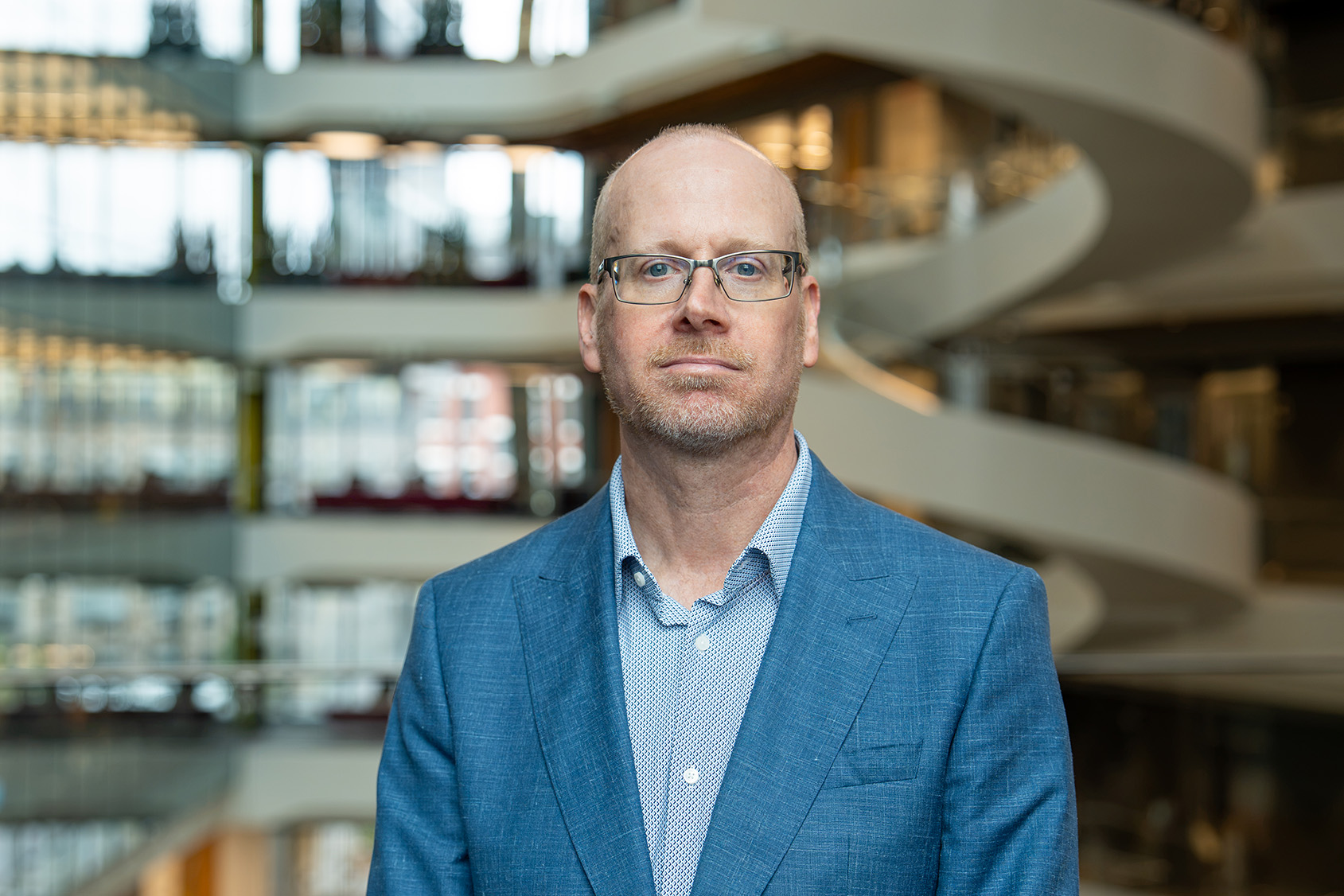
Mark Williams, Professor and Chair of the Department of Physics, will assume the role of Dean of the College of Science, effective July 1, 2026.
Mark C. Williams named Dean of the College of Science
Showing 242 results in Physics

Northeastern expert says Rubin Observatory is a game-changer in detecting near-Earth asteroids and assisting in the planet’s defense
Northeastern University astrophysicist Jonathan C. Blazek knew to expect stunning views of galaxies when the new Vera C. Rubin Observatory in Chile released its first images of the night sky on June 23. And the sights were extraordinary. With a telescope as wide as a tennis court and the world’s largest digital camera, the observatory captured more than 10...

Northeastern discovery in quantum materials could make electronics 1,000 times faster
Researchers at Northeastern University have discovered how to change the electronic state of matter on demand, a breakthrough that could make electronics 1,000 times faster and more efficient. By switching from insulating to conducting and vice versa, the discovery creates the potential to replace silicon components in electronics with exponentially smaller and faster quantum materials. ...

A Northeastern immersive art project visualizes how COVID misinformation spread on social media
To some, fake news may be a tweet, a Facebook post or a url on the dark web. To Northeastern University professor Albert-László Barabási and students in the Barabási lab, fake news is hundreds of small spheres bubbling up across the walls of a darkened room, in reds, oranges, then blues and pinks, while unintelligible whispers grow louder...

Is Iran’s nuclear program producing energy or developing weapons? A Northeastern expert explains the science of nuclear power
Pran Nath, Matthews Distinguished University Professor of physics, helps explain the difference between a nuclear program designed for civilian purposes and one used for military purposes.

Northeastern researchers identify proteins receptive to treating ovarian cancer
Bryan Spring, associate professor of physics, along with colleagues has identified two proteins abundant on drug-resistant ovarian cancer cells that become receptive to chemotherapy when treated with light.

Northeastern physicists honored with Breakthrough Prize in Fundamental Physics for unveiling secrets of the universe
Several Northeastern physics professor, PhD student, and researchers, where recognized in the 2025 Breakthrough Prize in Fundamental Physics for their research into the fundamental nature of matter at CERN’s Large Hadron Collider.

The proposed NASA budget cuts would decimate American science, an expert says
Trump is calling for a 25% slash to NASA's budget and according to Jacqueline McCleary, assistant professor of physics, the cuts will have a larger impact then proposed, including hurting America’s ability to maintain its position as a leader in tech and space exploration.

COSMOS-Web offers best glimpse of the deep universe yet, Northeastern researchers say
The COSMOS2025, an ongoing survey that makes use of NASA’s ultra-powerful James Webb Space Telescope, was released recently with work from two Northeastern researchers.

Northeastern researchers visualize the past and present of the Venice Biennale
Northeastern University has three projects on display at the Venice Biennale. All three projects tell the story about our changing relationship with data and information.

Northeastern’s Boston Campus Hosts Inaugural Magnetics Workshop
Northeastern University hosted the inaugural NU Cross-College Magnetics Center Workshop last week.
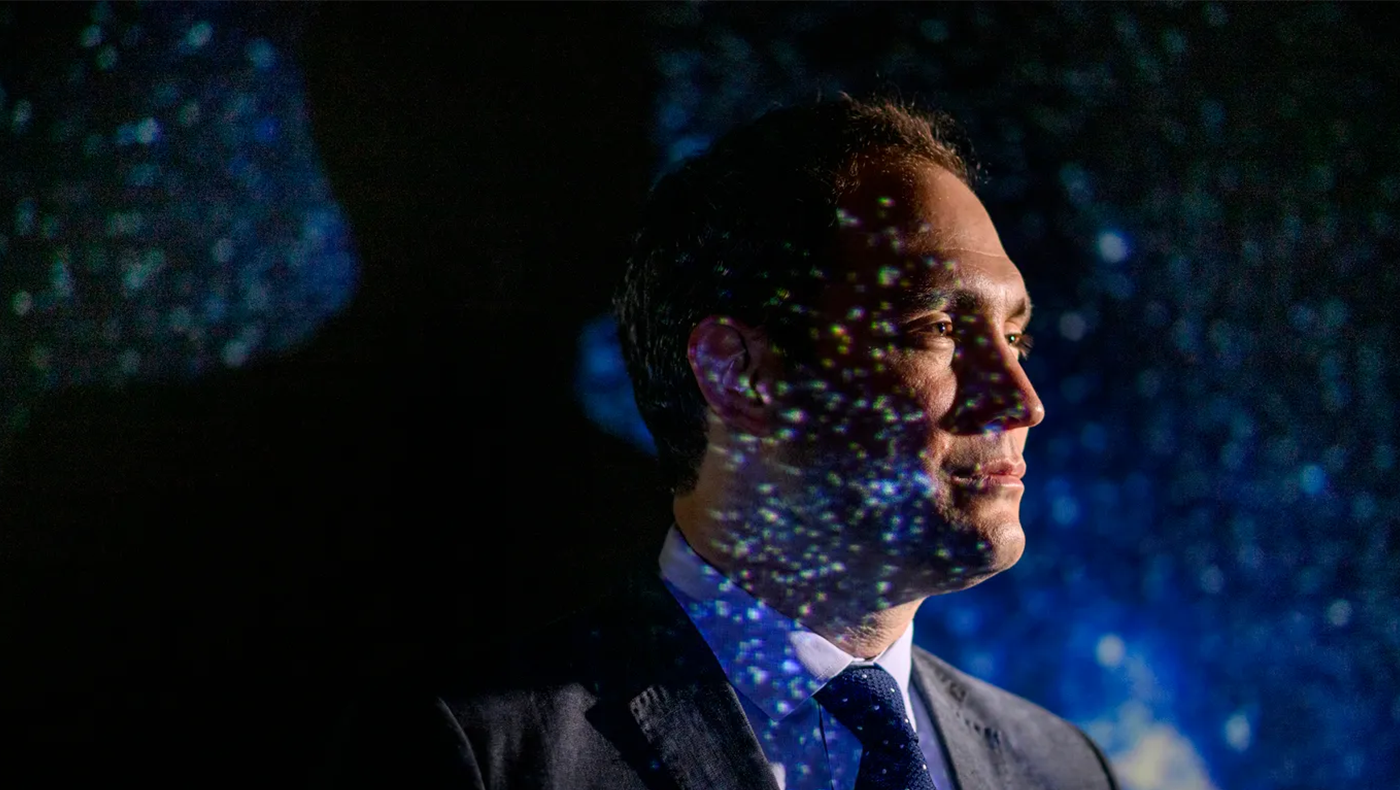
How a Northeastern astrophysicist fills in the blanks of the universe
Jonathan Blazek, assistant professor of physics and astrophysicist, is developing new ways to map and predict galaxies.

Living tissues may form like avalanches, Northeastern researchers say — a discovery that could aid new treatments
Anh Nguyen, Ph. D student, and Max Bi, associate professor of physics, have observed that when subjected to sufficient stress, tissues can “suddenly and dramatically rearrange themselves,” similar to how avalanches are formed in the wild.