COS News
Research

“The basic premise is that AI can help us do better physics, and something that is less expected is that physics can also help us understand AI better,” said Northeastern professor James Halverson.
AI and physics have more in common than you might think.
Research

Formed by superheated glacial water from the last ice age, the hydrothermal vents Professor Mark Patterson studies have been bubbling beneath the fjord for centuries.
Professor receives Fulbright to explore one of the world’s most unique hydrothermal vents
Showing 194 results in Chemistry and Chemical Biology

Luke Smith ’25, MS Biotechnology
Luke Smith '25, biotechnology, shares his experience as a COS student.
Izel Eler ’25, MS Biotechnology
Izel Eler '25, MS biotechnology, shares her experiences as a COS student.

Colby Geer ’25, Chemistry
Colby Geer '25, chemistry, shares his experience as a COS student.
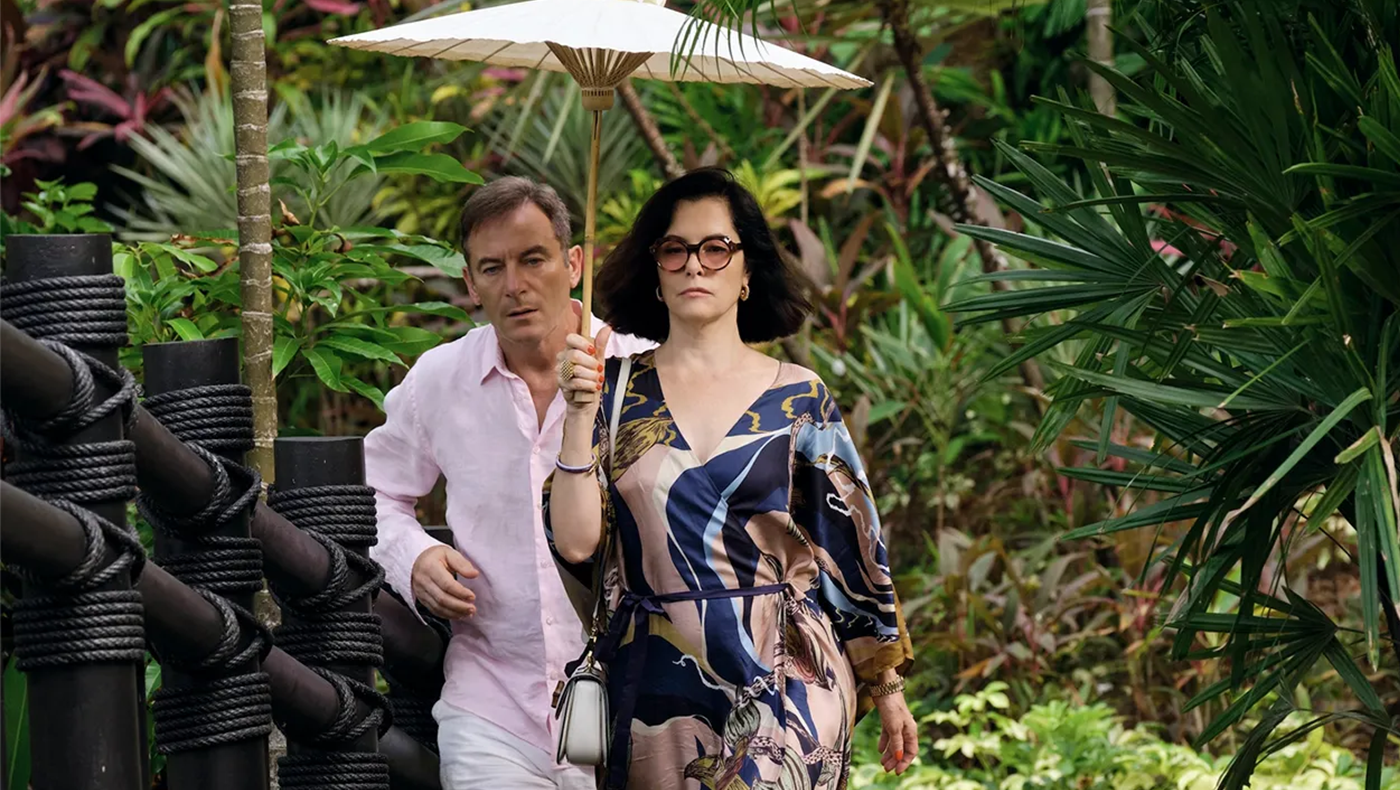
Can you survive eating the fruit of a ‘suicide’ tree, as in the HBO show ‘The White Lotus’?
Jing-Ke Weng, professor of chemistry and chemical biology, weighs in on the "suicide" tree featured in "The White Lotus." The tree's appearance in the recent season has triggered a discussion around how accurately it is being portrayed.
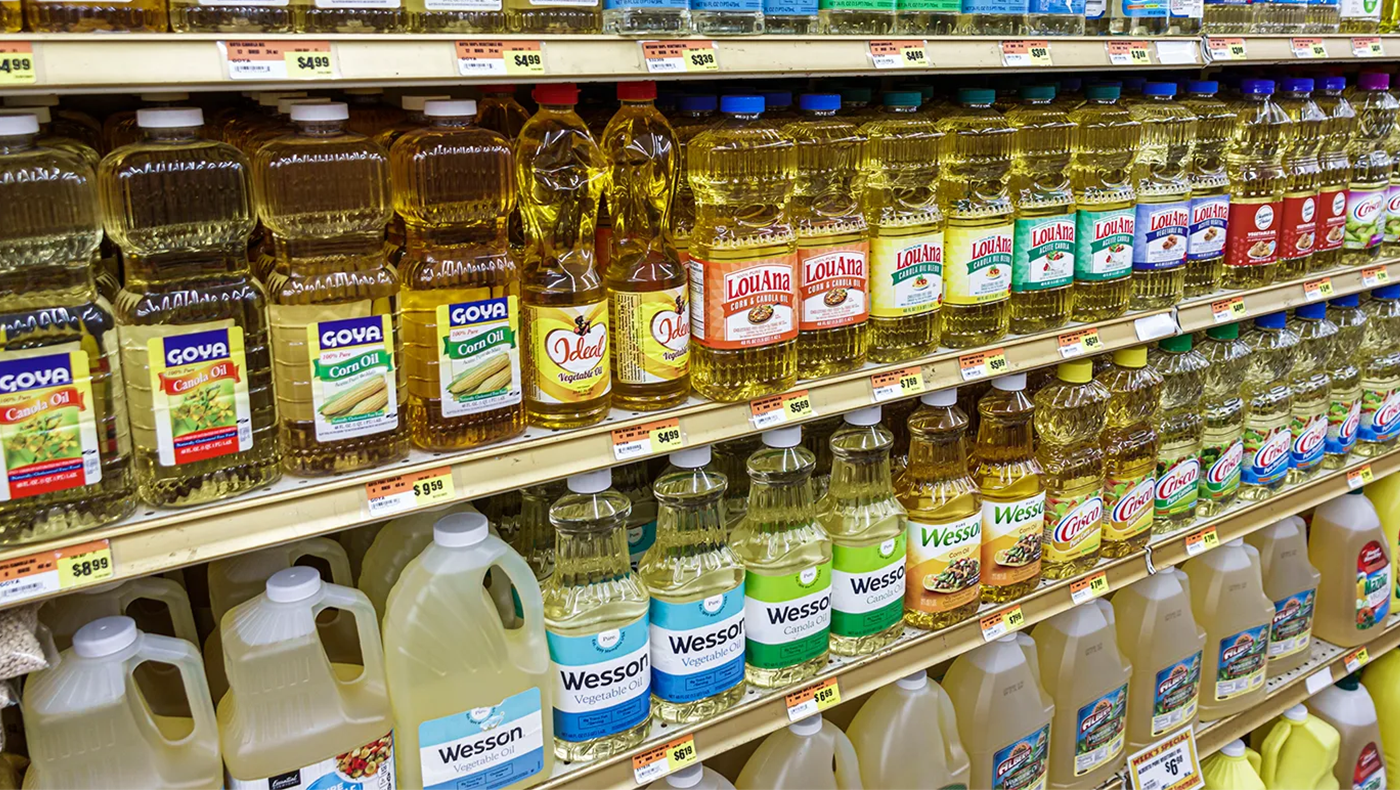
Are seed oils bad for you? Moderation is the key, Northeastern experts say
Jing-Ke Weng and Darin Dewiler, Northeastern professors, help explain some of the statements being made about seed oils right now.

Squid are some of nature’s best camouflagers. Researchers have a new explanation for why
Research from Leila Deravi, associate professor of chemistry and chemical biology, has brought light to how squids use organs to help power their camouflage abilities.
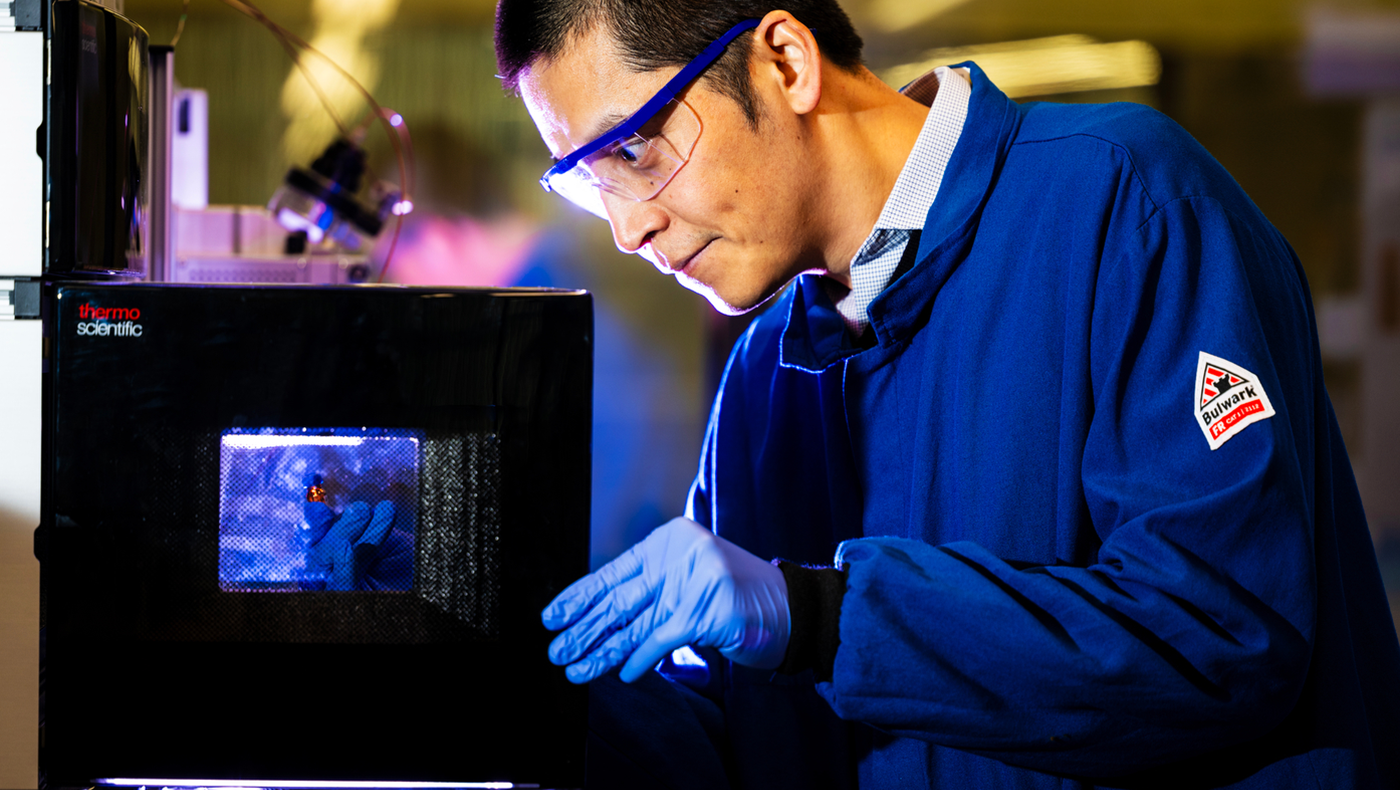
Could allergy-free peanuts be the future? This Northeastern researcher wants to find out
Northeastern professor Jing-Ke Weng is studying how peanuts trigger allergic reactions by tracking peanut proteins in the body. This research could lead to therapies for peanut allergies and insights into how other allergens affect the body.
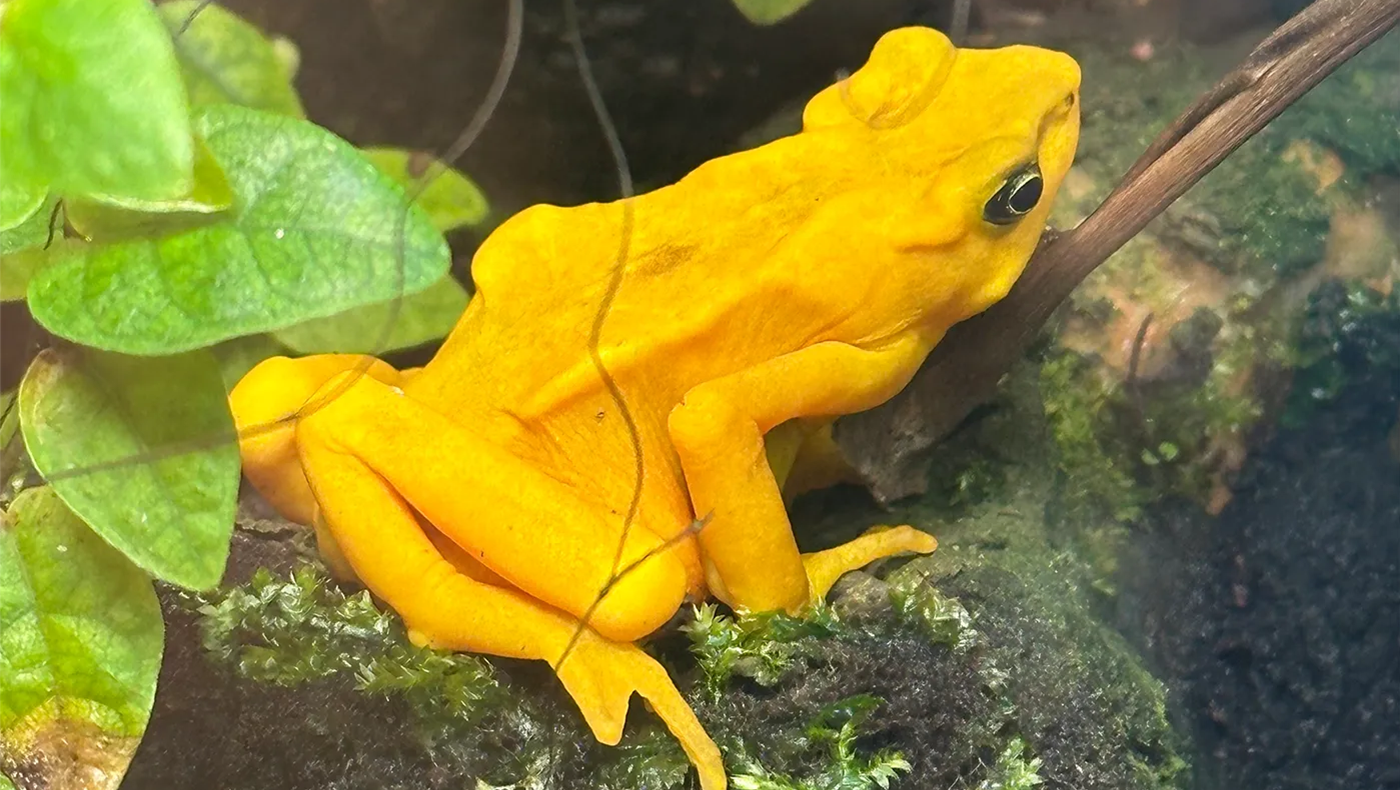
This researcher wants to know why frogs are so good at tasting bitter things — and what it could mean for humans
Jing-Ke Weng, professor of chemistry, chemical biology and bioengineering, is conducting research with frogs that has the potential to help humans understand allergen detection.

As grad student, Northeastern co-op helps Bay Area startup develop device to prevent toxic algae blooms
Amelia Langan, husky alum, helped a Bay Area start up create a device that may help prevent toxic algae from growing in ocean waters.
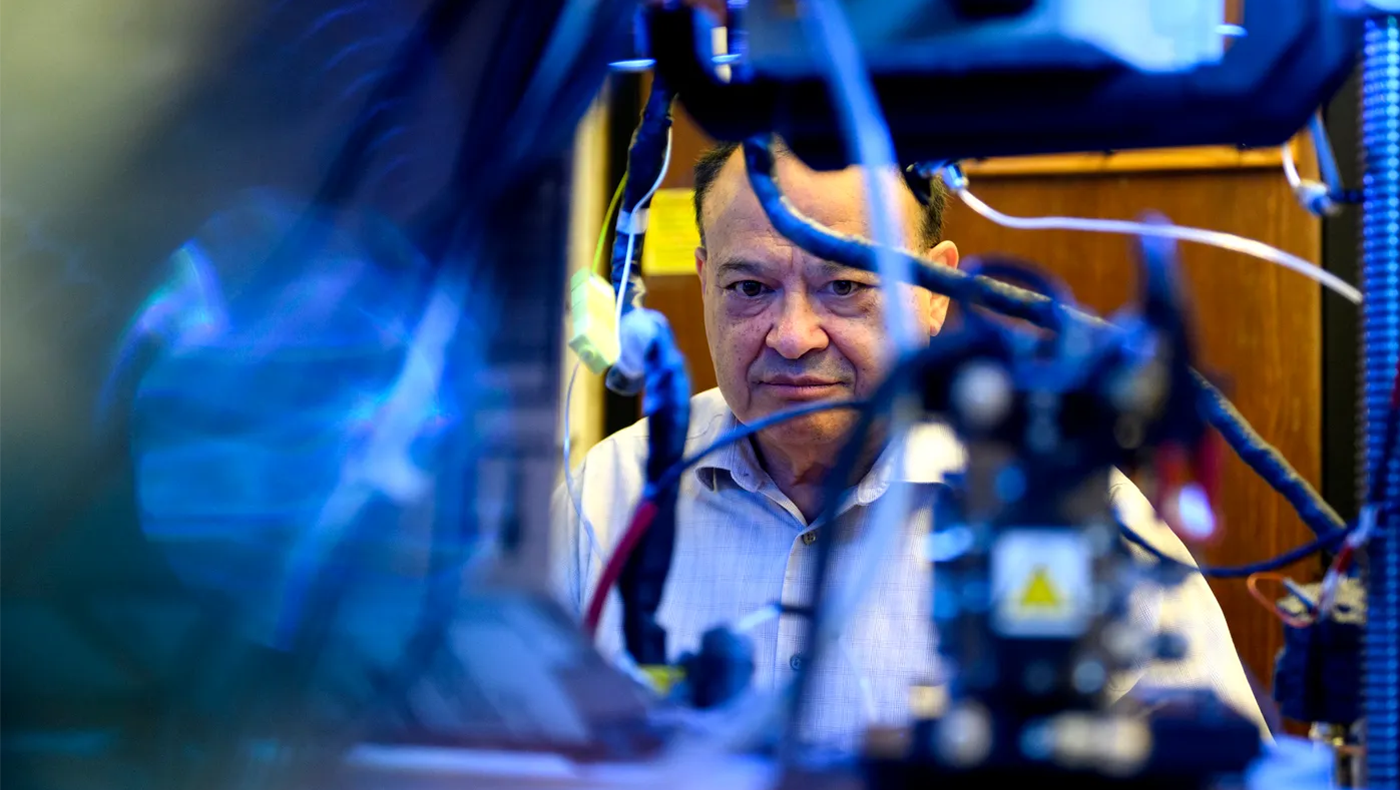
How US policies and perceptions impact Puerto Rico’s energy infrastructure
Eugene Smotkin, professor of chemistry, was one of more than a million residents who lost power in Puerto Rico on New Year’s Eve. Issues with the power grid are not out of the norm but for Smotkin the bigger picture problem is the way Puerto Rico is treated by the US.
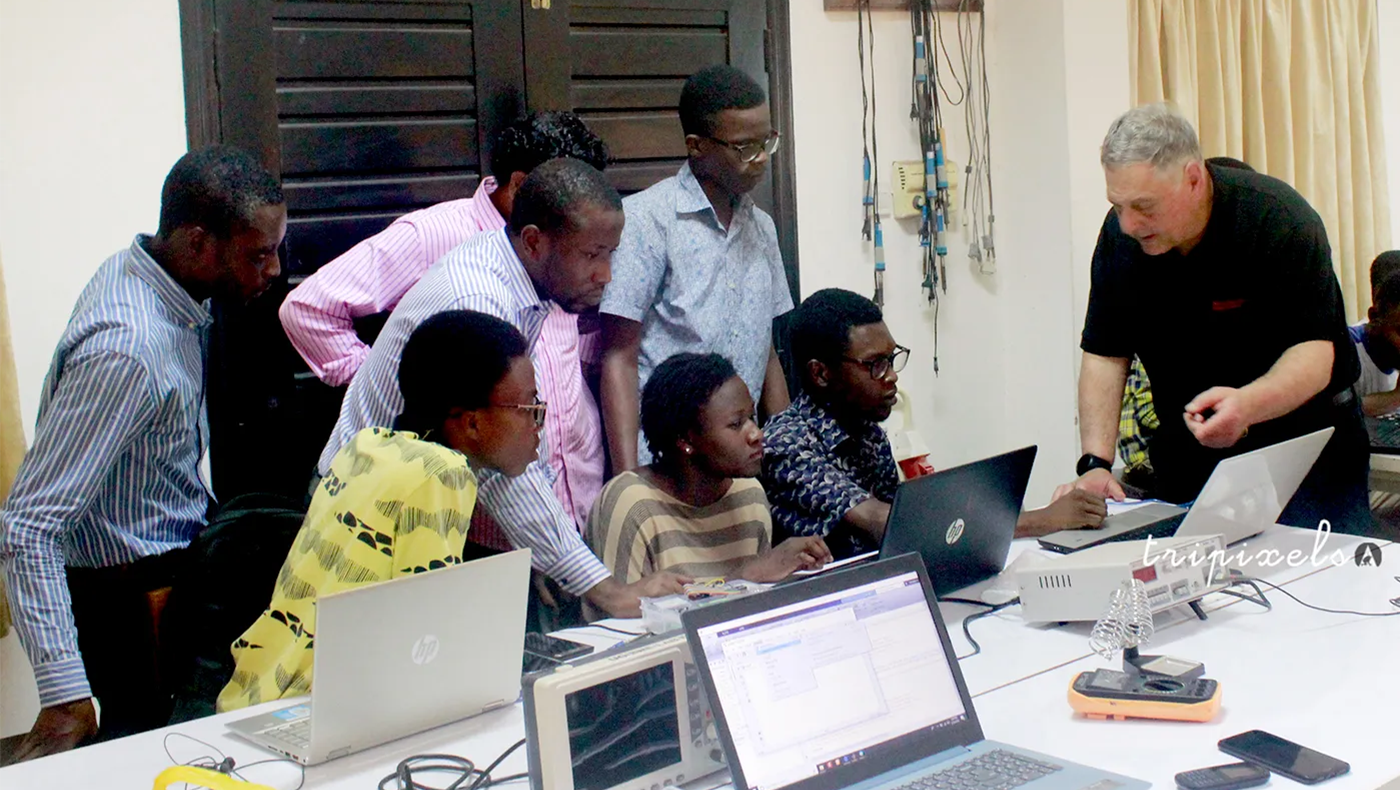
Northeastern’s Bioinnovation Center is developing low-cost biomedical devices to transform health care in West Africa
Lee Makowski, professor of bioengineering and chemistry and chemical biology, highlights the work of the Bioinovation Center, a partnership between Northeastern and Academic City University College in Accra.
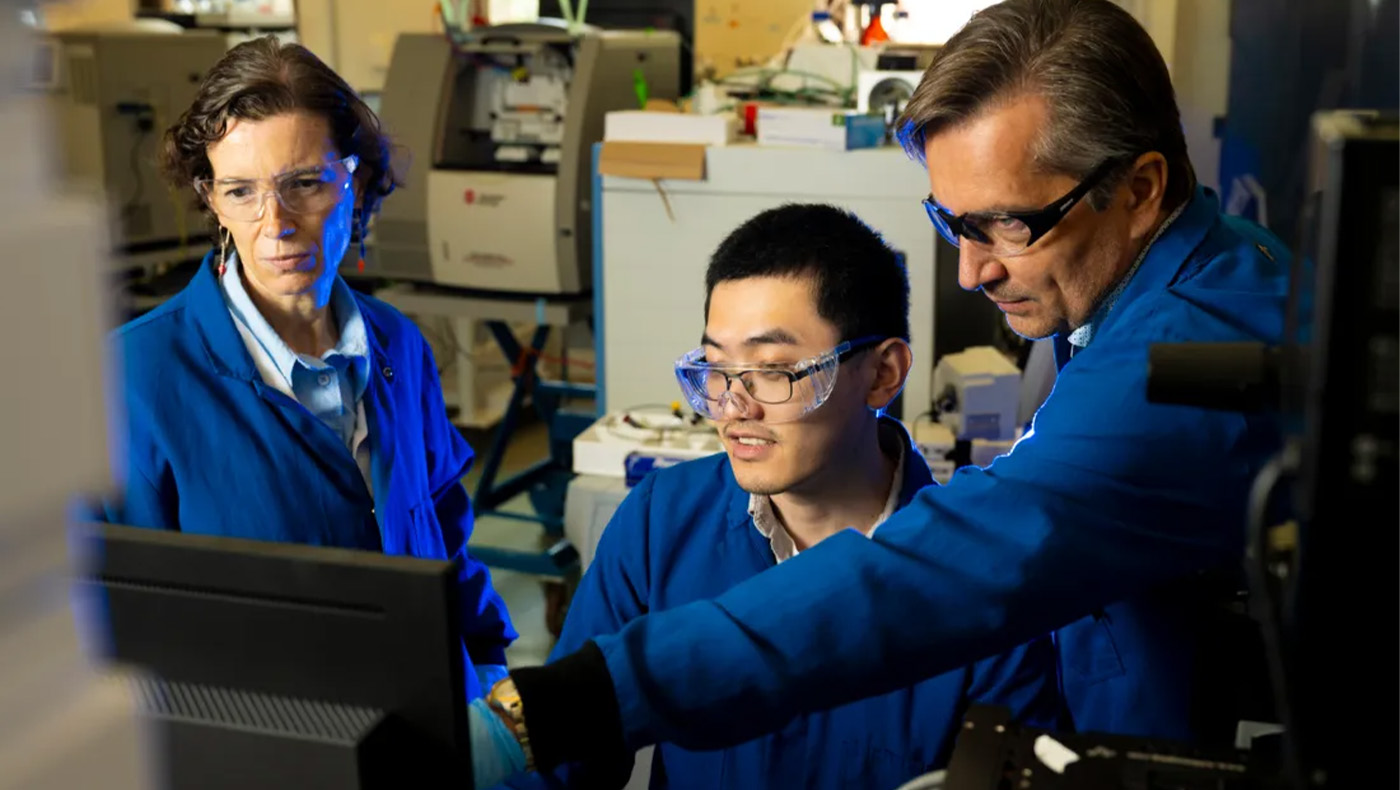
Northeastern researchers find a faster and more sensitive way to study proteins, which could lead to advances in disease treatment
Northeastern researchers find a faster and more sensitive way to study proteins, which could lead to advances in disease treatment