COS News
Research

“The basic premise is that AI can help us do better physics, and something that is less expected is that physics can also help us understand AI better,” said Northeastern professor James Halverson.
AI and physics have more in common than you might think.
News
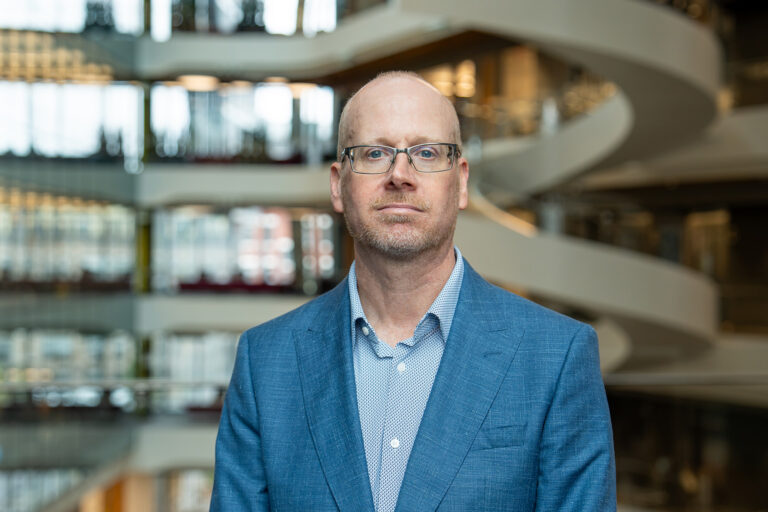
Mark Williams, Professor and Chair of the Department of Physics, will assume the role of Dean of the College of Science, effective July 1, 2026.
Mark C. Williams named Dean of the College of Science

What should stay open during the next pandemic? New model weighs protecting public health and the economy
The COVID-19 pandemic not only threatened the health of people around the world, but also exacted a significant toll on the global economy.

Northeastern receives $17.5 million from CDC to launch infectious disease prediction center
The Centers for Disease Control and Prevention is giving Northeastern University $17.5 million over the next five years to head an innovation center designed to help detect and prepare the United States for the next outbreak of infectious disease, especially in rural areas.
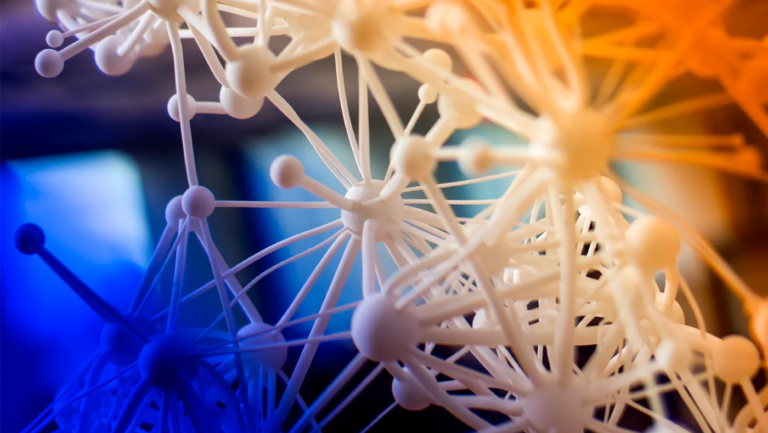
NSF grant will help bring methods of network science to the world of solid materials, establishing new multi-university center
Northeastern will soon embark on a collaborative project to bring the methods of network science to the world of small particles and novel materials, with help from a substantial National Science Foundation grant.
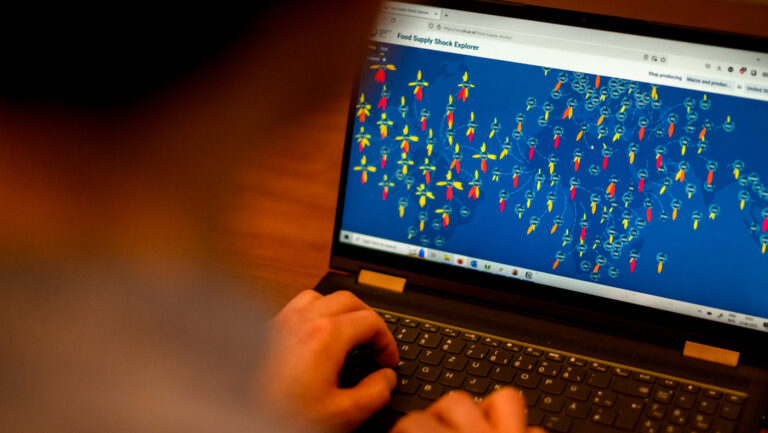
How the annihilation of Ukraine’s agricultural production affects the world
The Russia-Ukraine war causes not only stark losses in the supply of staple grains and dietary oils to parts of the world, but also a significant reduction in the production of other foods dependent on them such as poultry and pork, a new study shows.
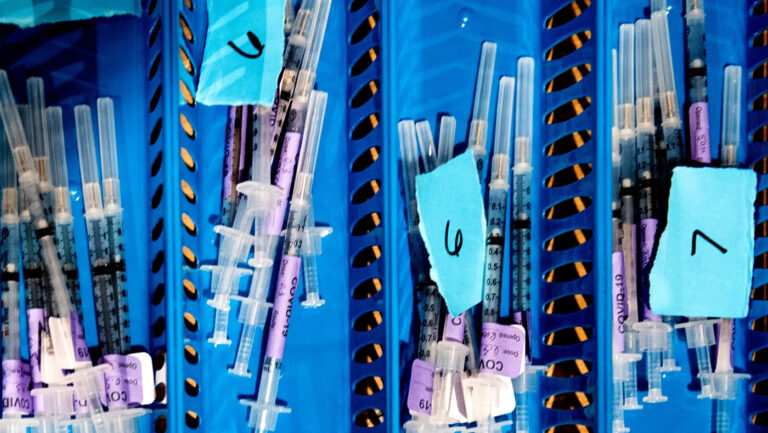
More Than 50% of COVID-19 Deaths Could Have Been Prevented
Better access to vaccines could have prevented more than 50% of COVID-19 deaths in 20 lower income countries, according to a new paper in Nature Communications co-authored by Northeastern professor Alessandro Vespignani.

Want to know how processed your food is?
Northeastern researchers have been busy trying to better understand the links between “ultra-processed foods” and human health through the university-sponsored Foodome project.
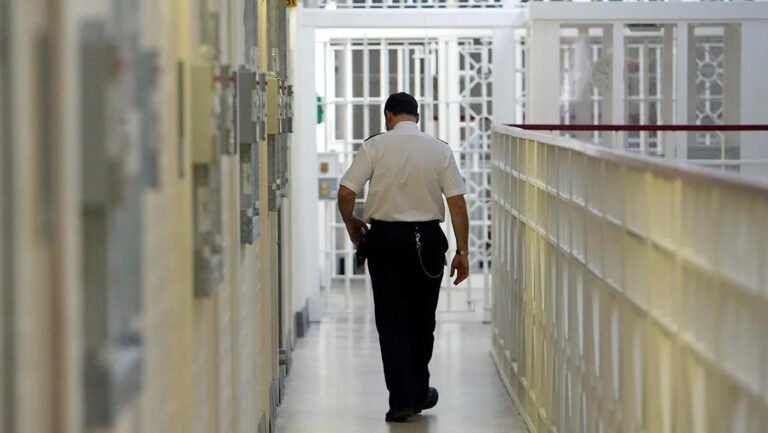
COVID-19 prison releases exposed inequities
In the decade leading up to 2020, racial inequity in U.S. incarceration was trending down––until the COVID-19 pandemic hit.
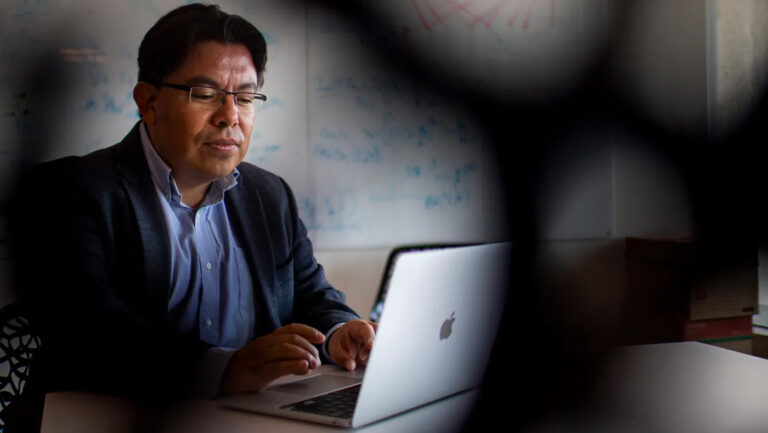
Can ‘digital traces’ from internet searches and social media predict outbreaks of COVID-19?
Your Google searches and Twitter accounts alert marketers about what items you might like to purchase—could they also serve as an early warning system when COVID-19 levels are about to take off?
A team of scientists including Northeastern University machine learning expert Mauricio Santillana says internet users’ “digital traces” can be adopted to alert public health officials to sharp increases in COVID-19 at the county level one to six weeks ahead of a major outbreak.
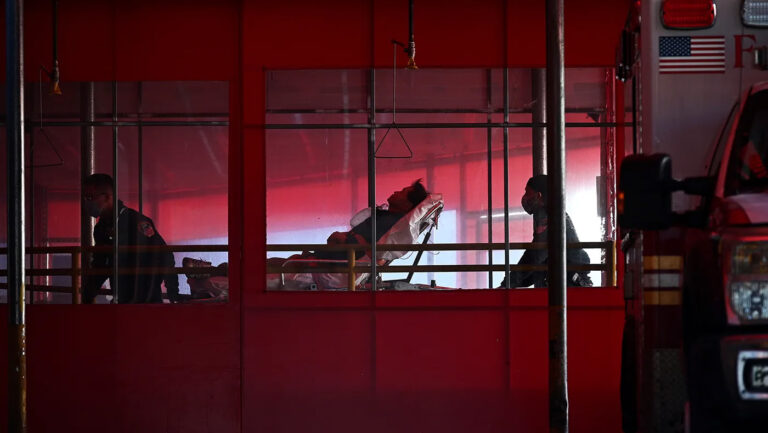
Republicans had higher COVID-19 death rates in the first year of the pandemic, new research says
Northeastern researchers uncovered statistics that suggests that politics played a significant role in who was dying early in the pandemic.
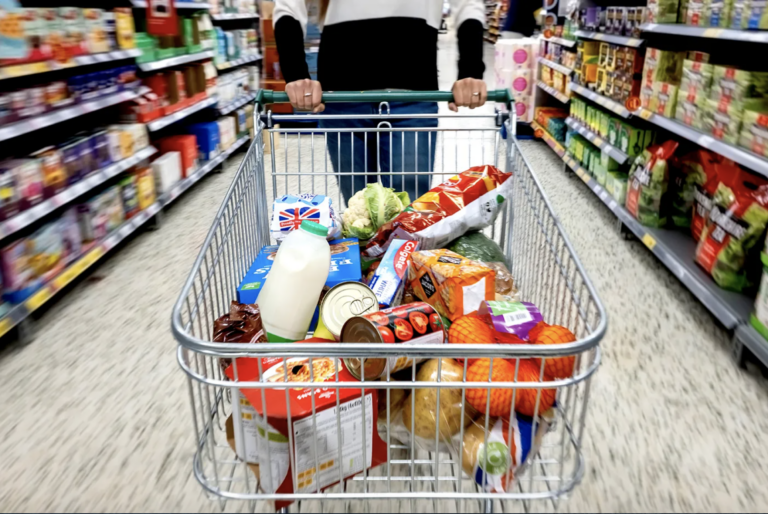
Has your food been chemically altered? New database of 50,000 products provides answers.
Northeastern researchers have discovered a way to outline the components of any given food, cluing us in to what our food is really made of—and what it took to get to your plate.
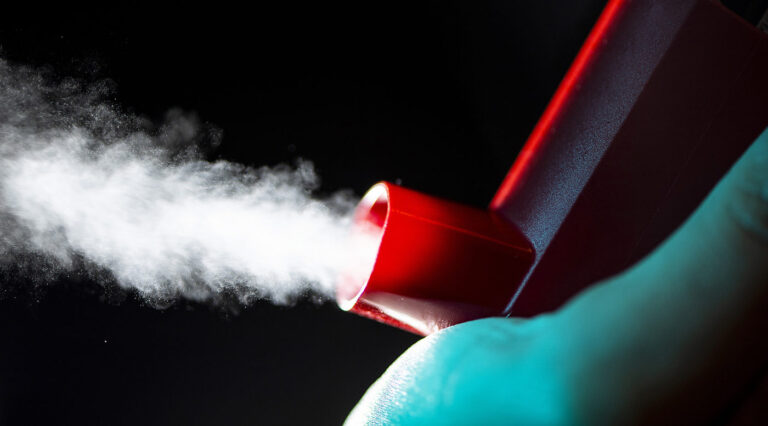
No needles? No problem. This COVID-19 vaccine could be inhaled.
Paul Whitford and a team of scientists develop an inhalable vaccine strategy in the hopes of offering a simple and efficient way of administering COVID-19 vaccines.
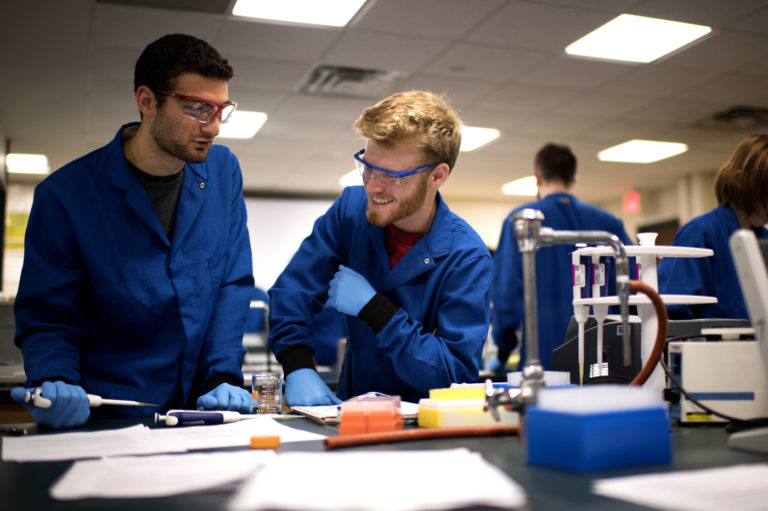
College of Science Connects: Research at the Frontier – Theoretical Condensed Matter & Biological Physics
Alessandro Vespignani, Sternberg Family Distinguished Professor of Physics, presents his research as part of the Northeastern Office of Alumni Relations College of Science Connects series.