COS News
News

A new report from a group of Northeastern researchers explores across disciplines how biotech can ensure safe, sustainable life beyond Earth.
The key to international space cooperation is developments in biotechnology, Northeastern researchers say
News

The NeuroPRISM lab, led by assistant psychology professor Stephanie Noble, makes tools that pave the way for reliable and reproducible neuroimaging of the brain.
Precise maps of the brain’s deepest corners are made possible through tools developed by these Northeastern researchers
Showing all results
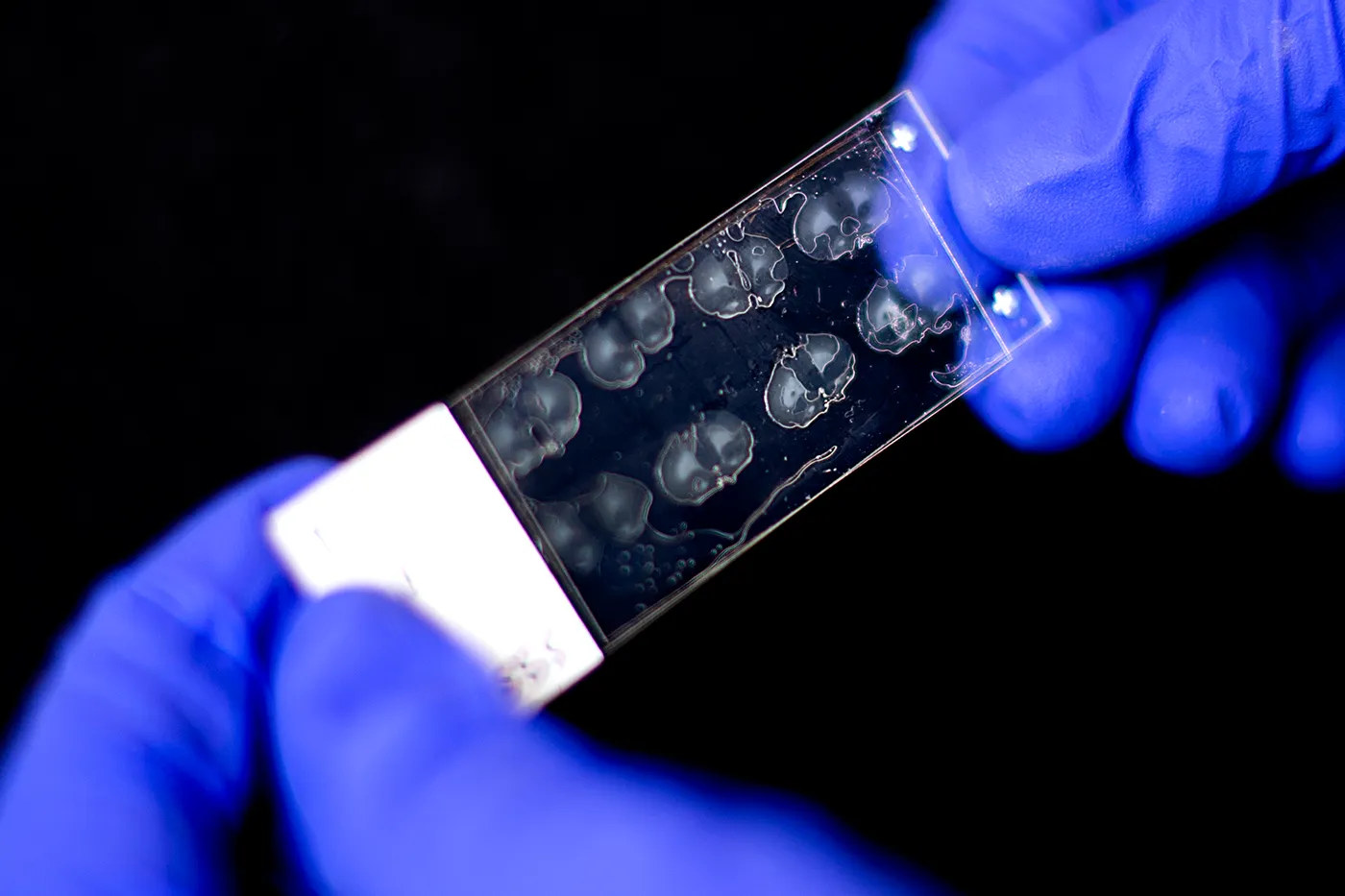
Pregnant? Researchers discover that it may decrease your ‘fear memory’
Professor Rebecca Shansky has discovered that chemical changes in the pregnant brain can soften subjects’ fear memories.
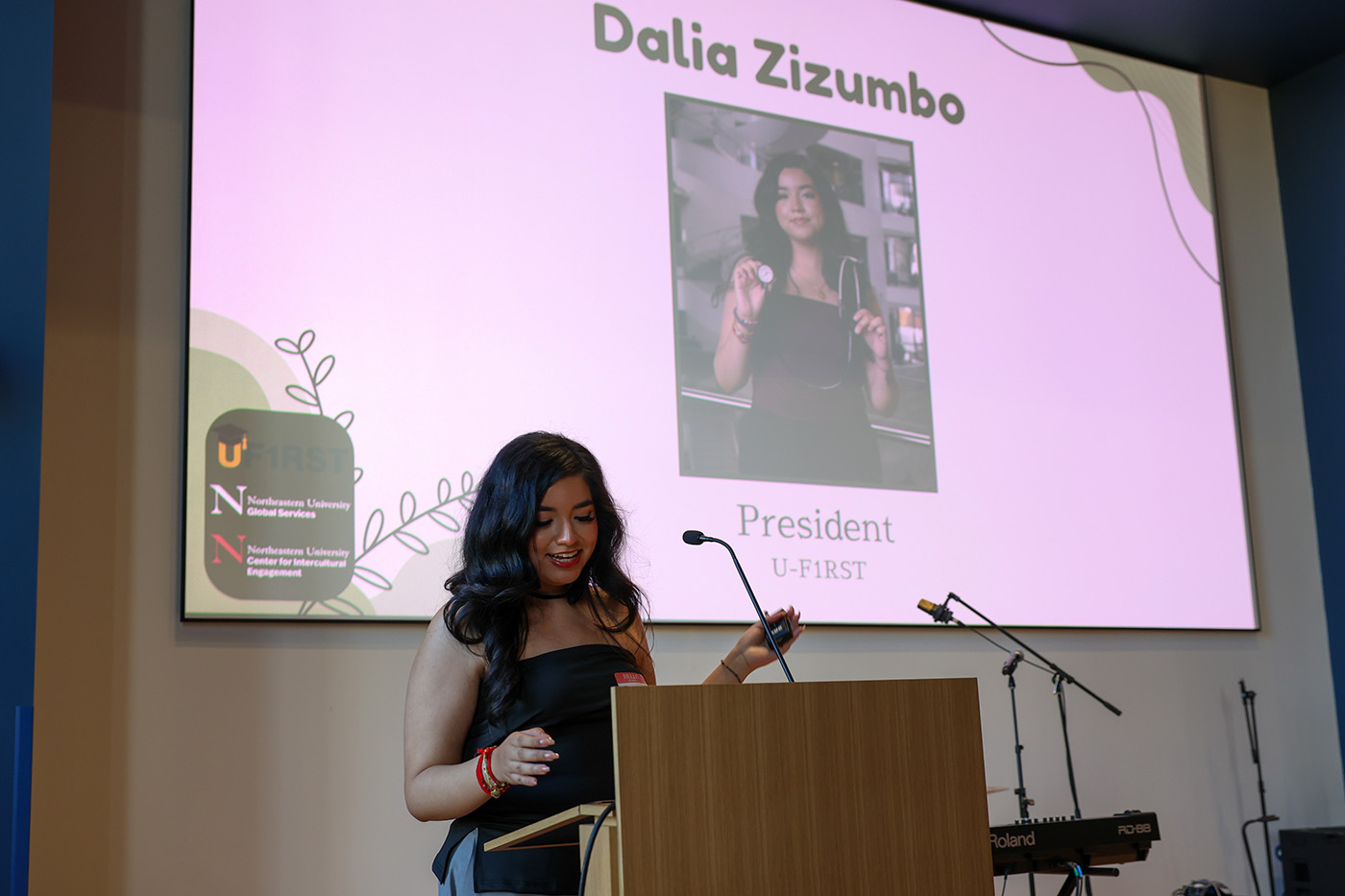
Dalia Zizumbo ’28, BS Data Science and Behavioral Neuroscience
Entrepreneurship has taught Dalia Zizumbo to see science not just as a pursuit of knowledge, but as a tool for building solutions.
Lauren Kong ’27, BS Behavioral Neuroscience
For Lauren Kong, rigorous science and entrepreneurial thinking are not separate paths, but deeply interconnected ones.
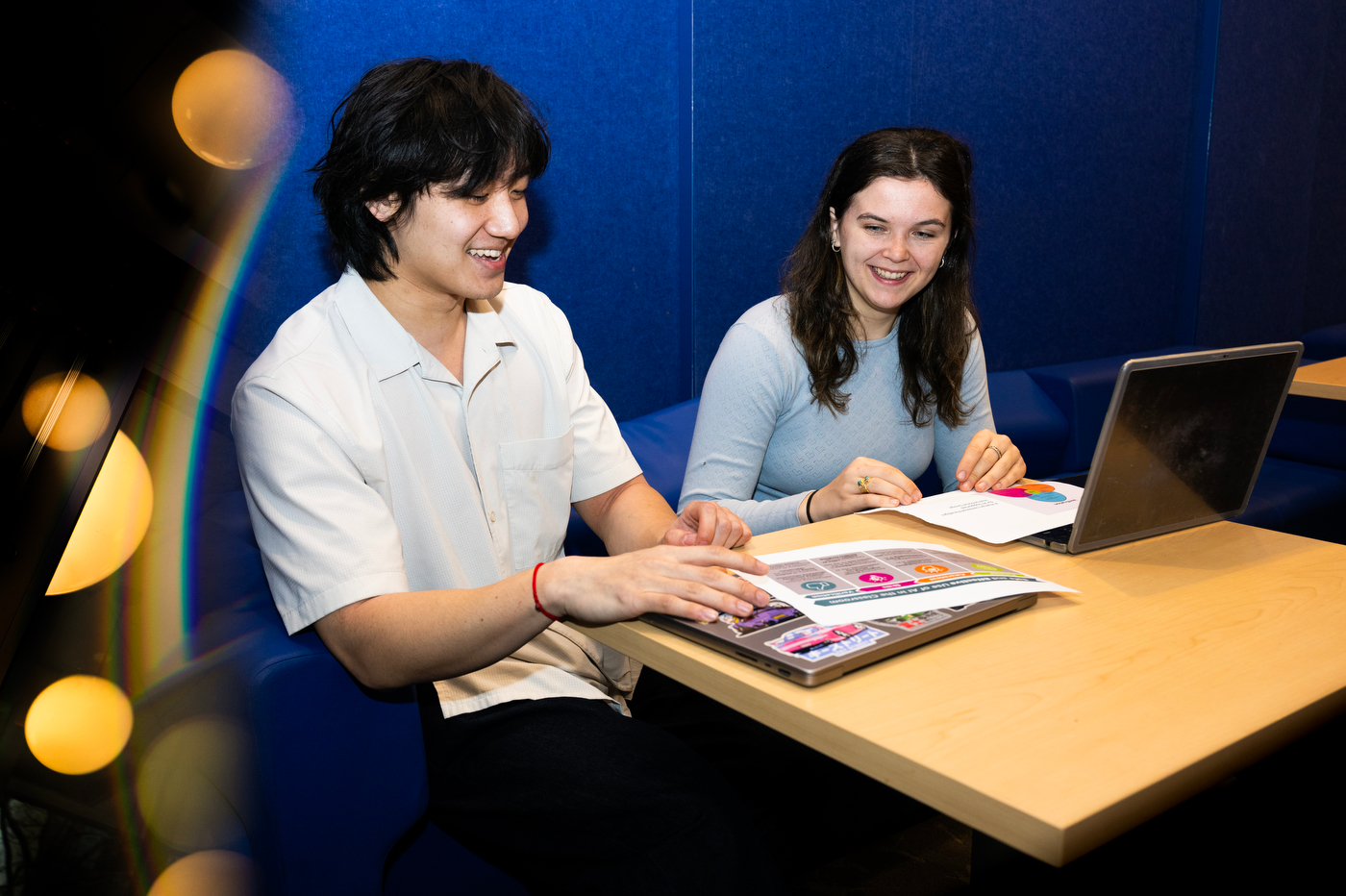
These educators wanted to learn more about AI. Northeastern was there to help
Dylan Kao and Lucy Paolini co-oped with NU Oakland’s Lead by Learning and designed a program to help educators learn about AI.

What is an exoplanet? An astrophysicist explains why they are vital for finding alien life
The discovery of a more Earth-like planet beyond our solar system reveals how these objects can help us “understand where we came from and whether we’re also alone,” astrophysicist Jonathan Blazek said.
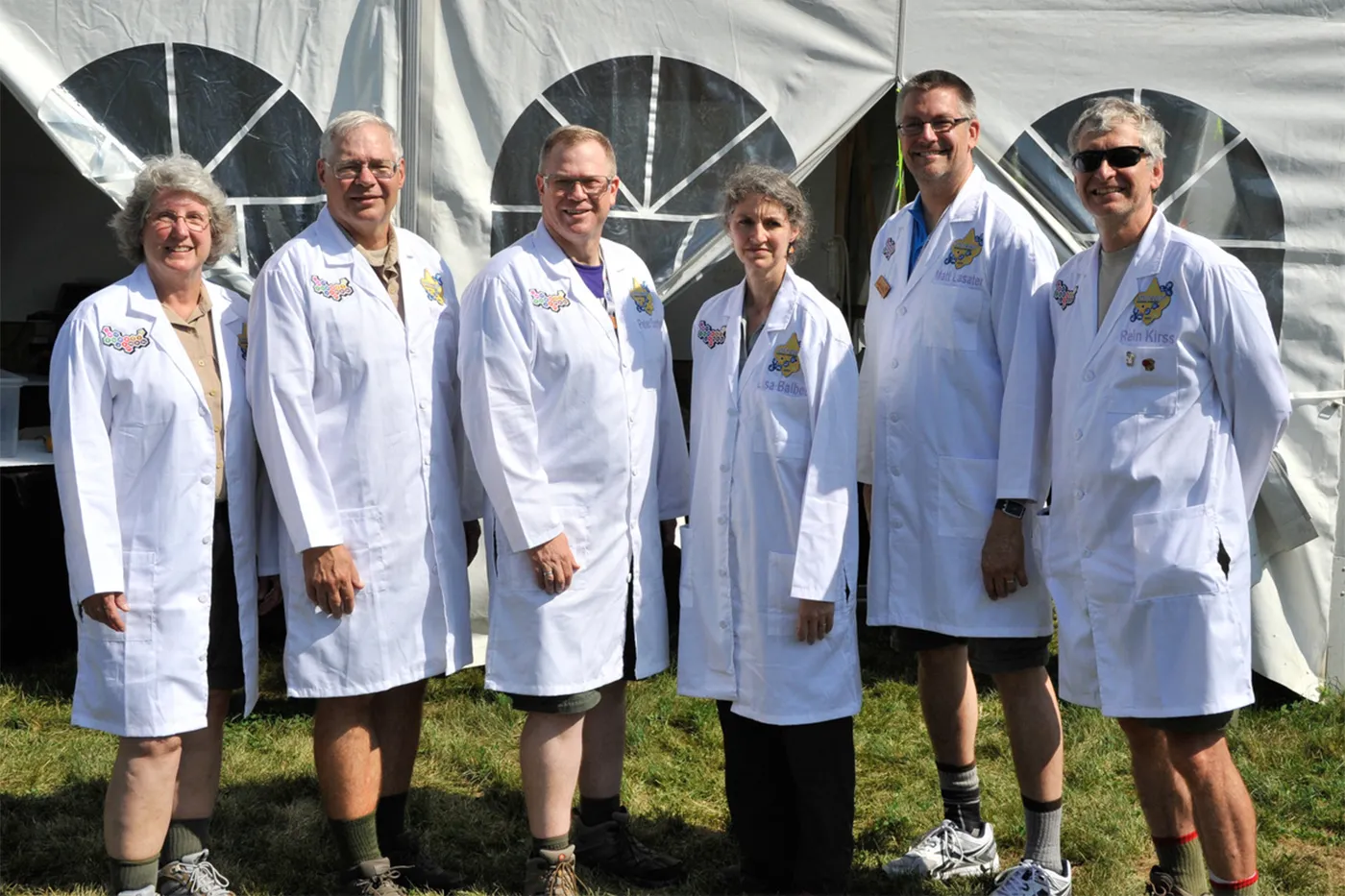
Lifelong Scouts Brian D’Amico and Rein Kirss bring chemistry to the campfire
Brian D’Amico and Rein Kirss share a love for Scouting, mentoring youth and inspiring curiosity in STEM at the National Jamboree.
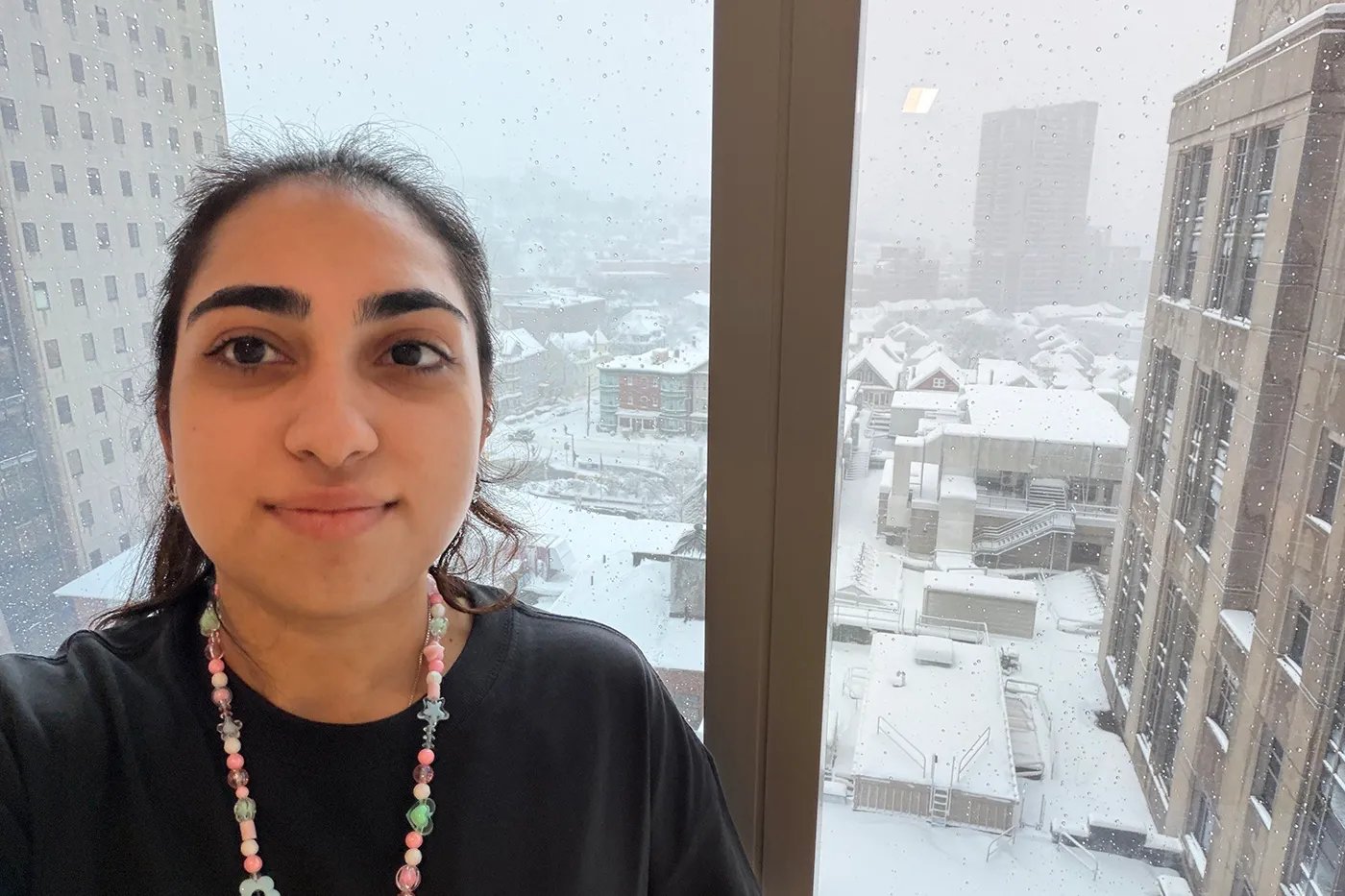
Health care co-ops don’t get snow days
Experiential learning is an essential part of the Northeastern education, and Anya Tandon is learning that medical services must be provided no matter what the weather brings.
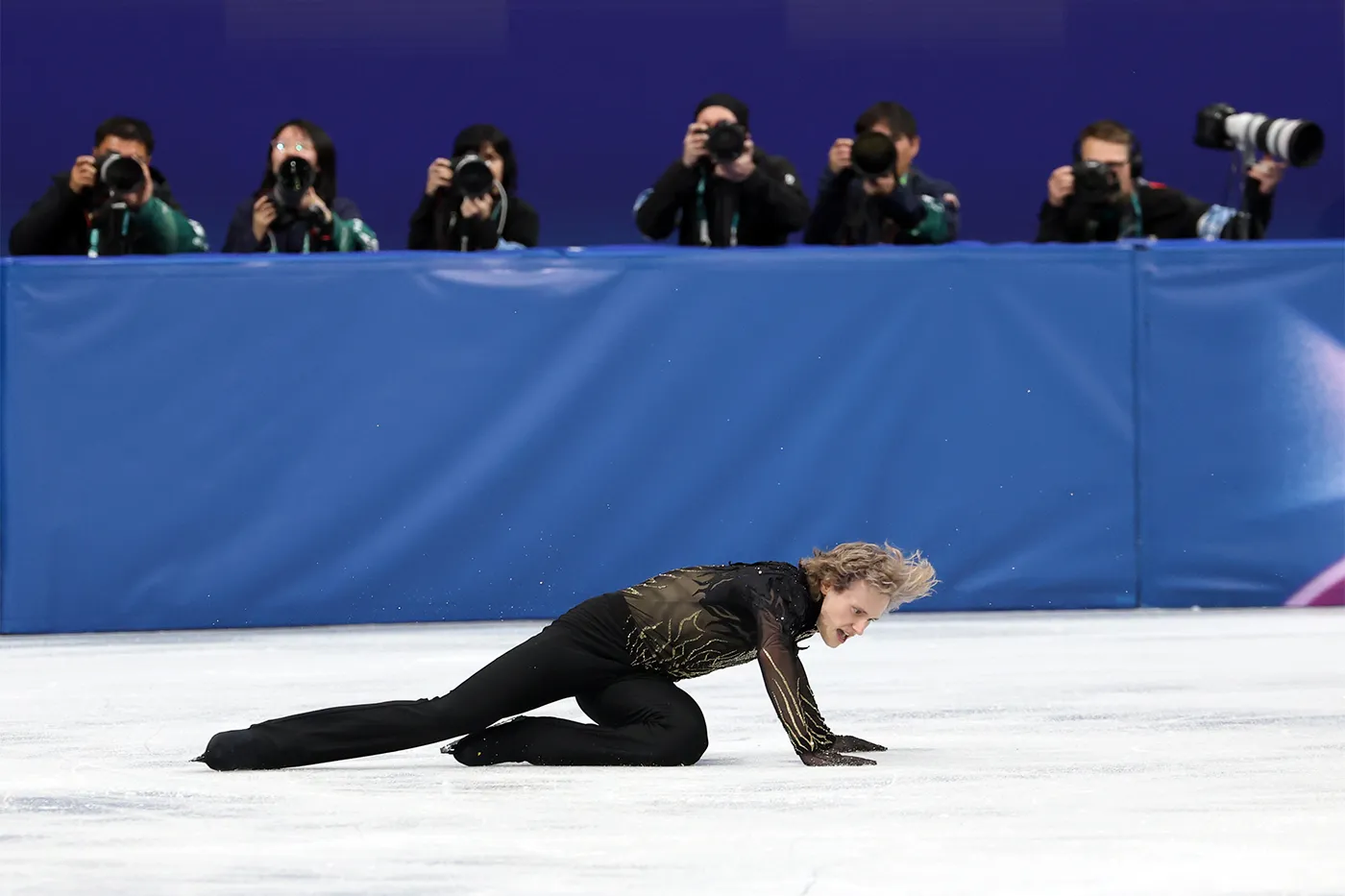
How Ilia Malinin and Mikaela Shiffrin fared against the ‘Olympic Dragon’
Psychology professor Grayson Kimball says the athletes’ different results demonstrate how the mental pressure of the Games can cut both ways.
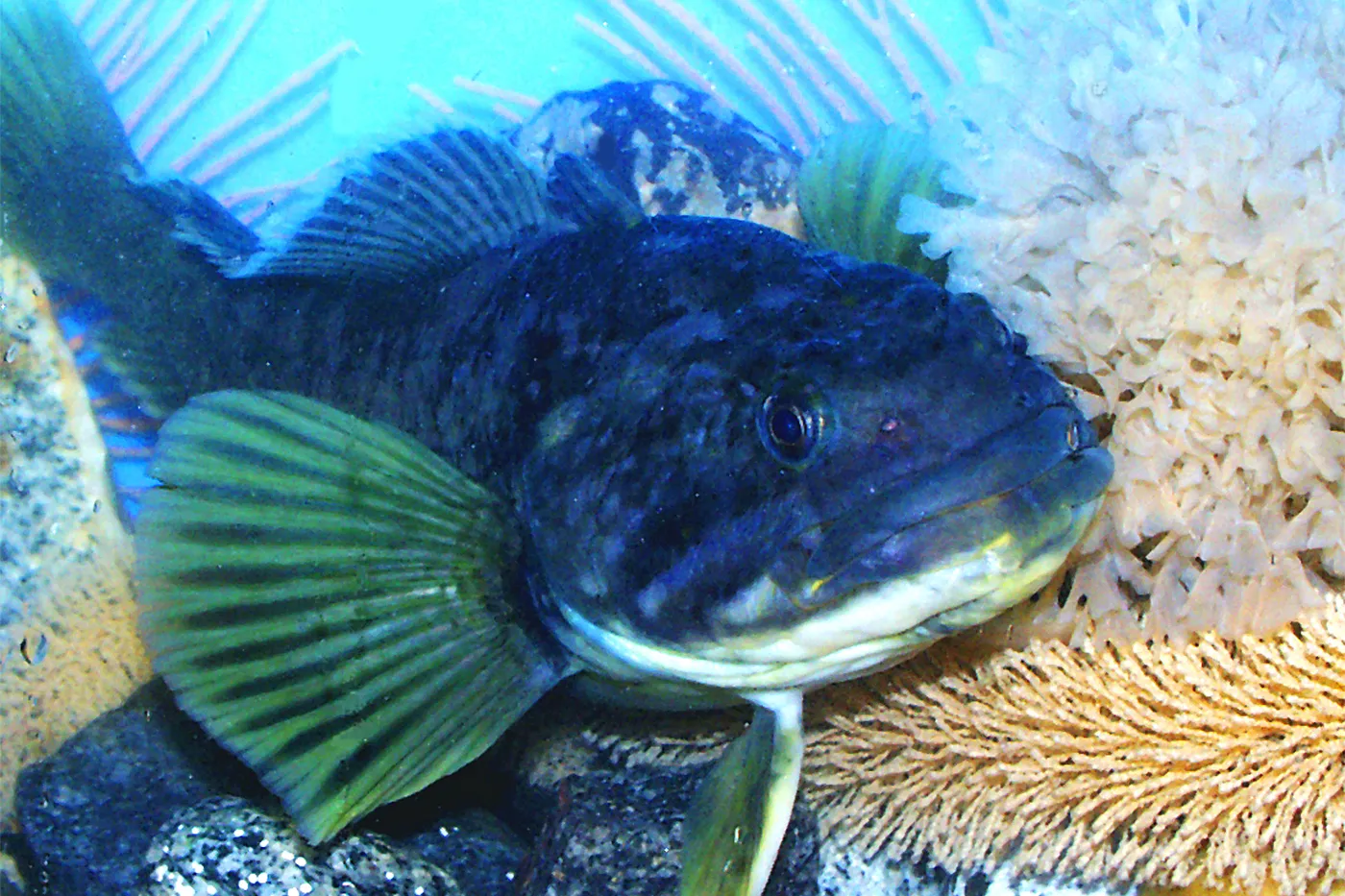
Warming Antarctic waters come with a cost for the normally ‘robust’ rockcod
Researcher H. William Detrich investigated the potential impact of warming waters in the Southern Ocean on a common species of fish. What he found could be catastrophic for fish populations in the region.
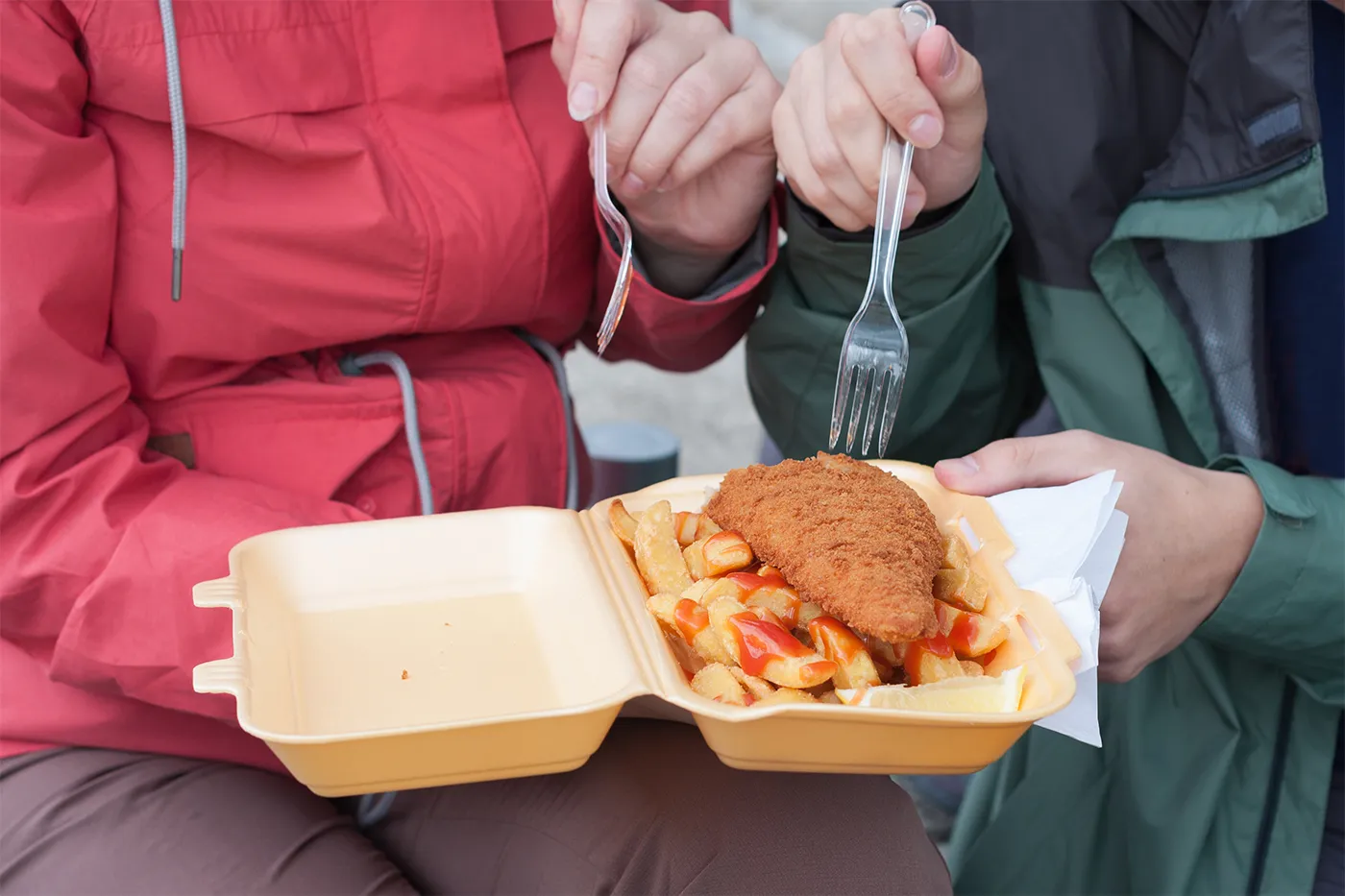
Our preference for certain foods may be impacted by early life stress, research shows
Researcher Brie Reid finds a correlation between acute stress in infancy and an increased preference for inflammatory foods in subjects’ late teens and 20s.

With ‘Shrinking,’ therapy is more mainstream than ever. Is that a good thing? Therapists aren’t so sure
Teaching Professor William Sharp says therapy, once taboo, has now become fashionable thanks to social media and entertainment like Apple TV’s sitcom, but destigmatizing therapy has also distorted it in unexpected ways.
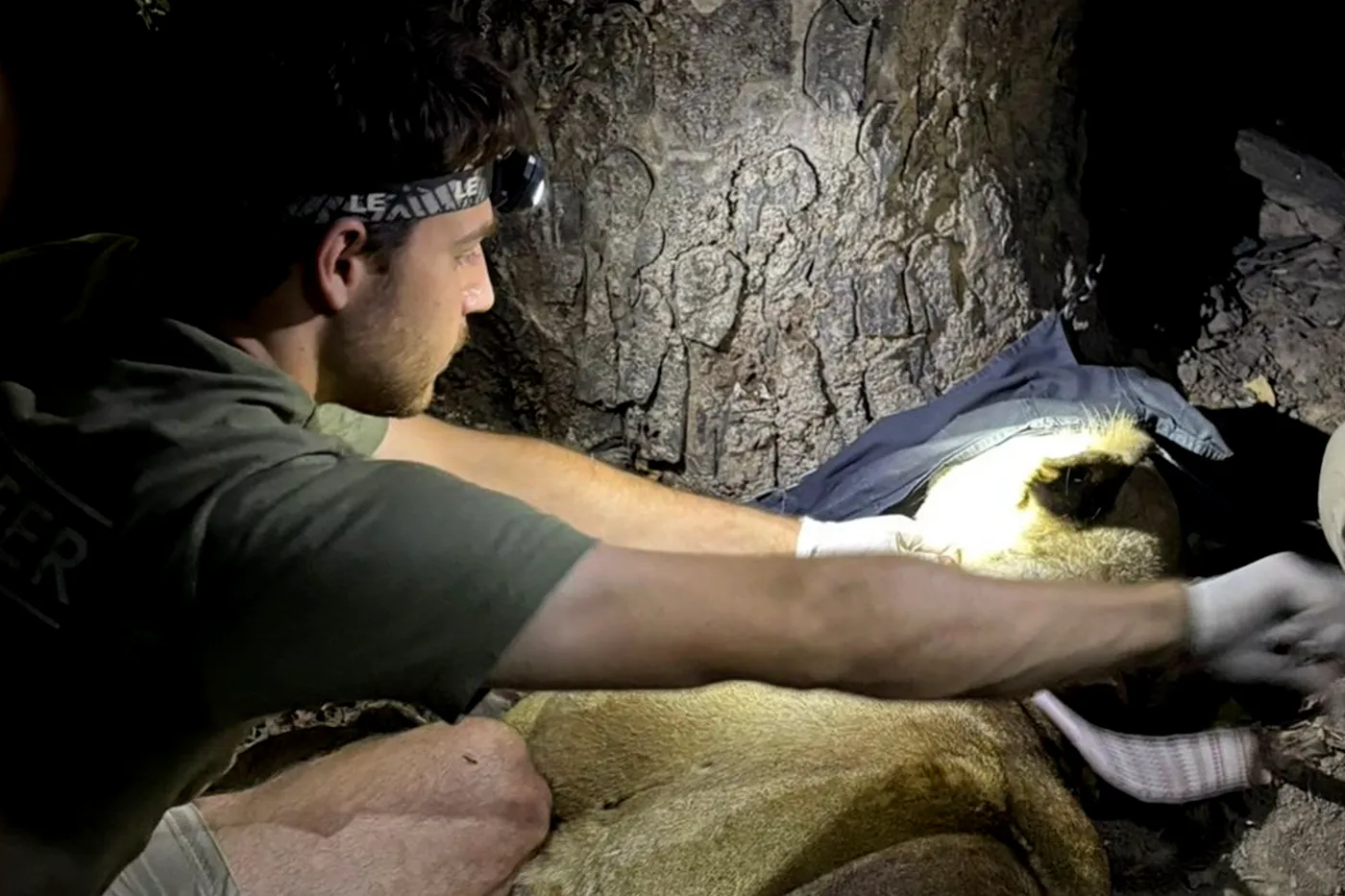
Co-op brings student up close and personal with a lioness
Ryan Sewell completed a co-op at Lilongwe Wildlife Trust, which works to protect Malawi’s wildlife from threats such as deforestation, poaching and the pet trade.