COS News
Research
“The basic premise is that AI can help us do better physics, and something that is less expected is that physics can also help us understand AI better,” said Northeastern professor James Halverson.
AI and physics have more in common than you might think.
News
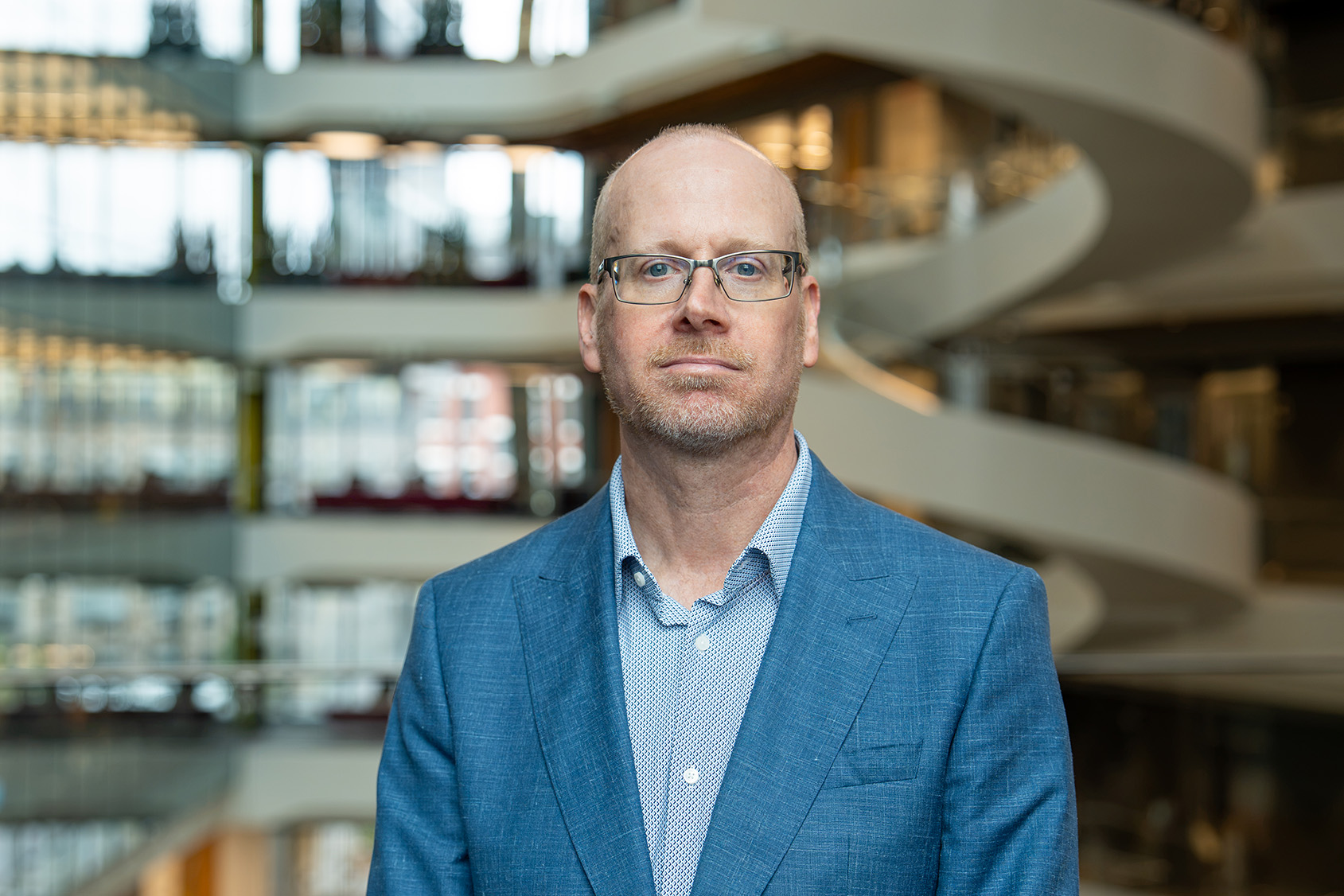
Mark Williams, Professor and Chair of the Department of Physics, will assume the role of Dean of the College of Science, effective July 1, 2026.
Mark C. Williams named Dean of the College of Science
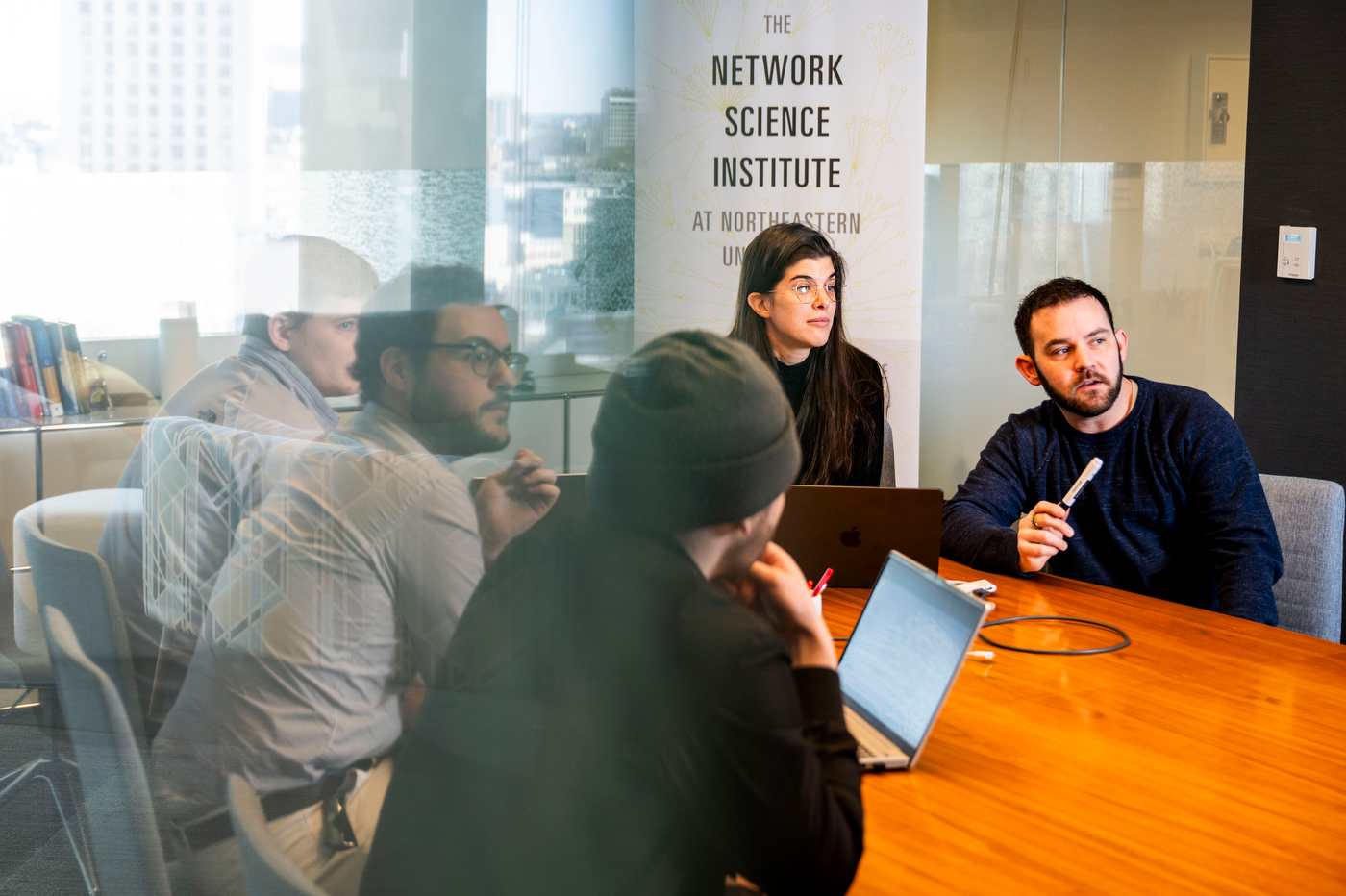
In treating soccer like a language, these researchers can predict the next word
Brennan Klein, with the NetSI Sport research group, uses network science to treat sports and games like conversations.
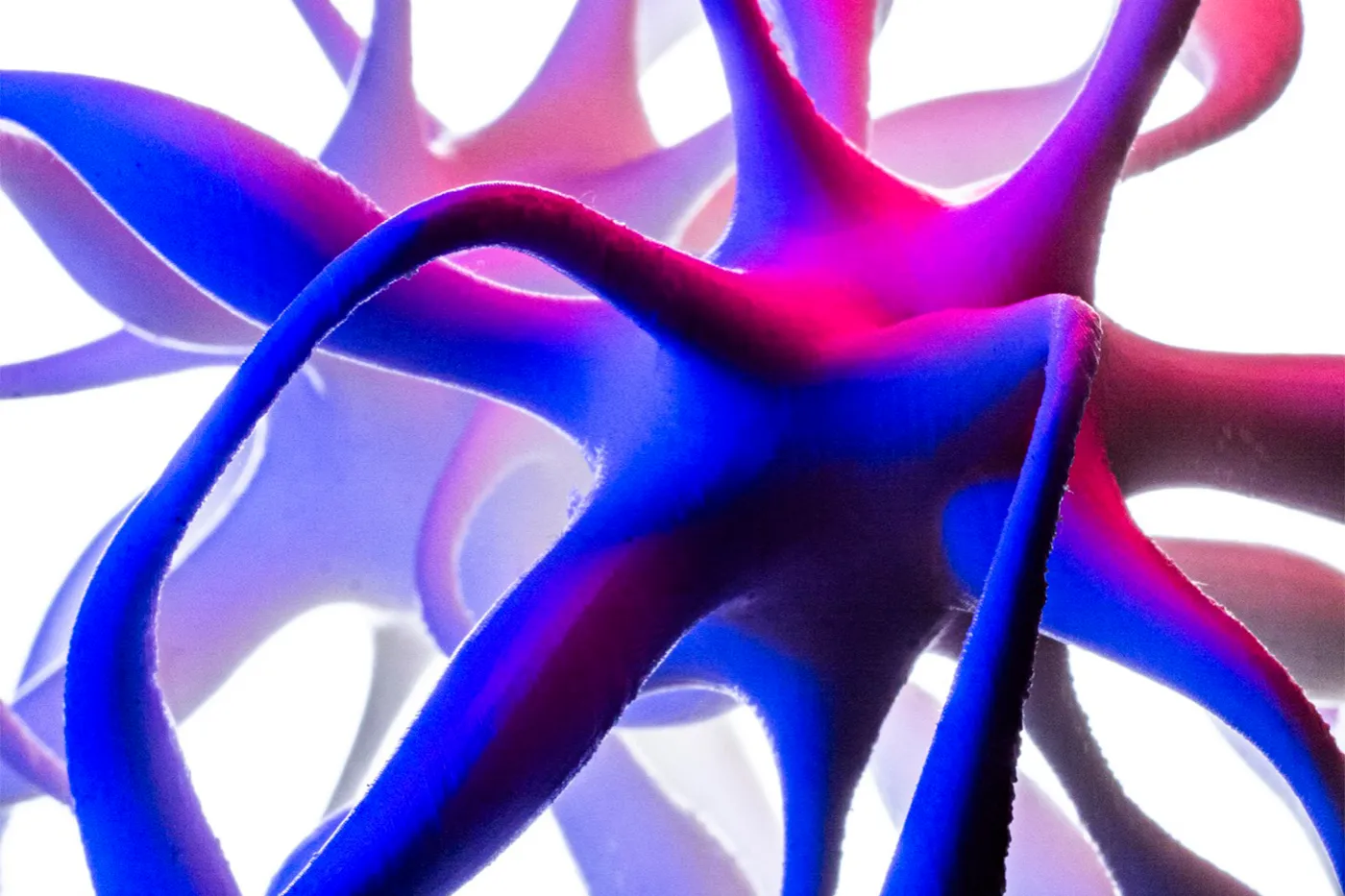
How string theory helped solve a mystery of the brain’s architecture
Scientists long thought neurons minimized connection lengths, but neuronal maps told a different story. New research by Albert László Barabási uses string theory mathematics to explain why.

The Leonids meteor shower is here. Here’s why it could be even more impressive than usual
The Leonids meteor shower will soon light up the night sky. Astrophysicist Jonathan Blazek explains the ins and outs of this spectacular event and how to catch a glimpse of it.

Want to eradicate malaria-bearing mosquitoes? Try fungus, this researcher says
Binod Pant, a Northeastern postdoc, has created a mathematical model that demonstrates how a fungal solution could control malarial mosquito populations.

Astrophysicists say there’s ‘at least six other quasi-moons’ like 2025 PN7 in loose orbit around Earth
The much-discussed 2025 PN7, dubbed Earth’s “second moon,” is officially a quasi-moon, according to NASA.
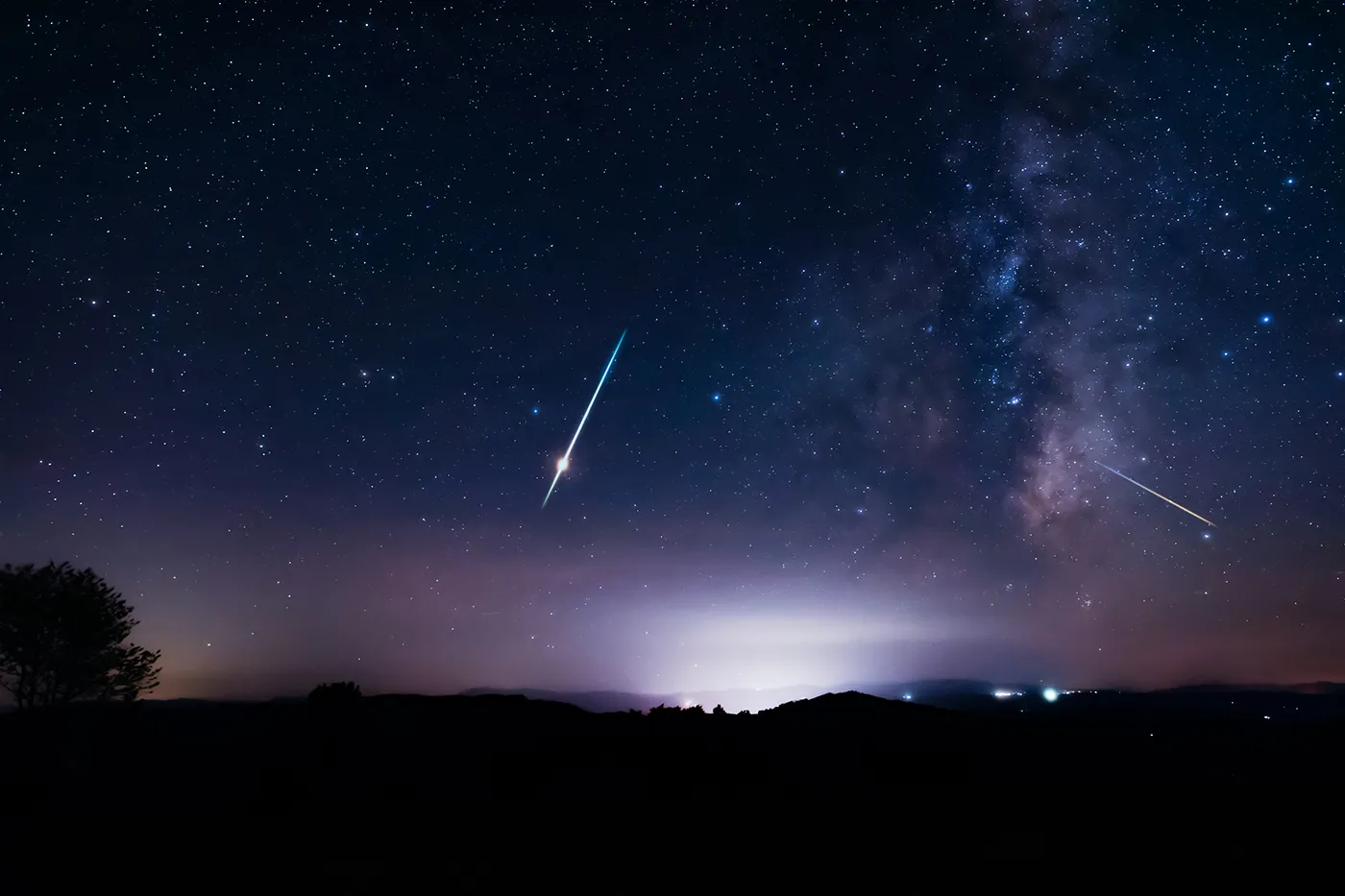
Look to the skies this week to see the ‘Draconid’ meteor shower
The “Draconid shower” is the result of Earth plowing through the dusty trail left behind by an oddly orbiting comet called 21P/Giacobini-Zinner.

Comet or alien spaceship? An astrophysicist explains what we know about interstellar traveler 3I/Atlas
Confirmed as a comet, 3I/Atlas is one of only three interstellar objects we’ve detected entering our solar system. Northeastern’s Jacqueline McCleary breaks down what makes it special and what we can learn from it.

A summer of STEM and discovery
In the Bridge to Science/Bridge to Calculus Summer Program, students dive into STEM, financial literacy, and enrichment activities while building confidence and curiosity. They spend a summer of exploration, creativity, and hands-on learning in math, science, and technology. Read more below for a recap of the enlightening summer our high school scholars had during the...
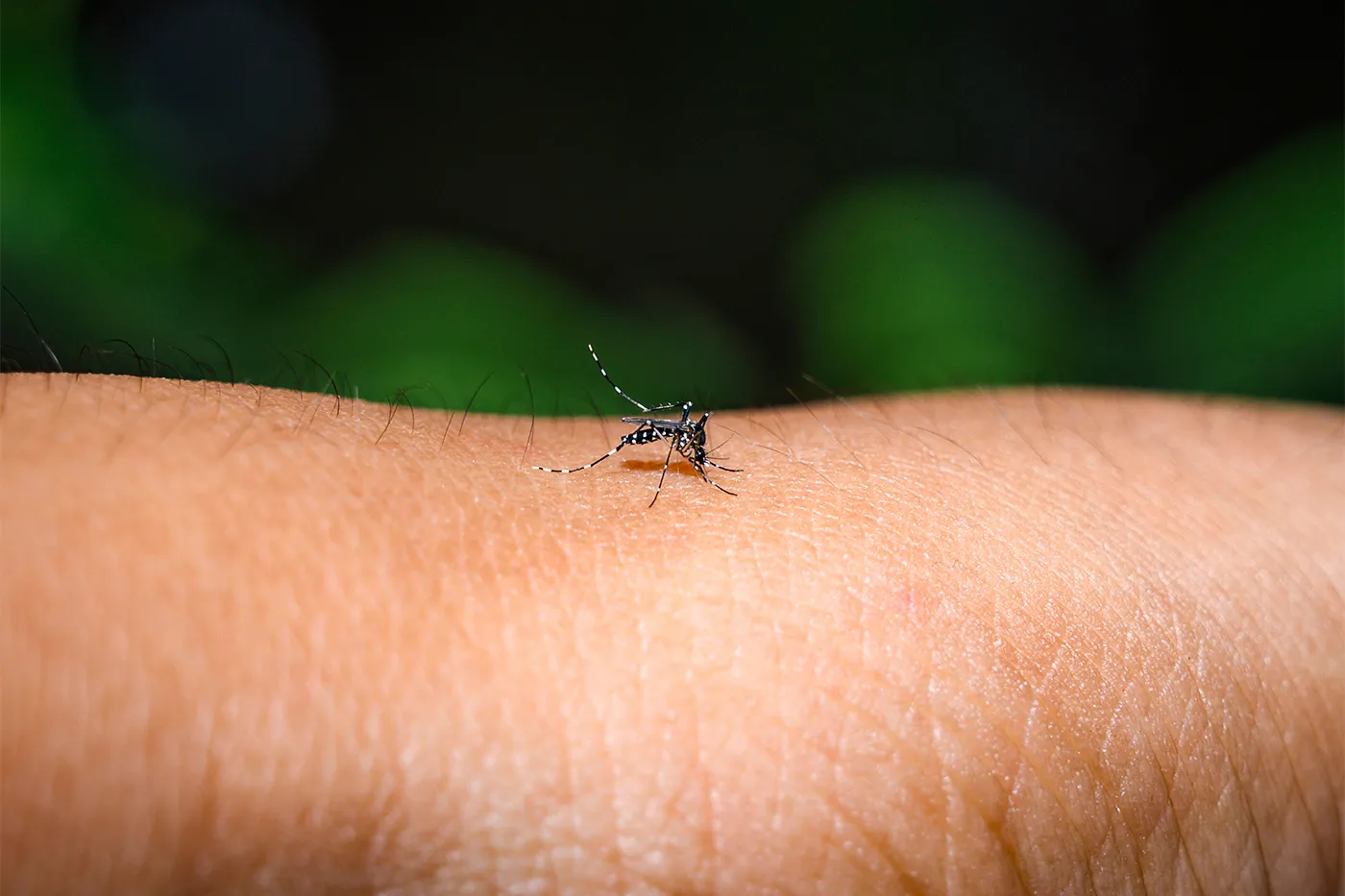
Researchers use machine learning to predict dengue fever with 80% accuracy
Northeastern University breakthrough gives public health officials a step up in preparing careworkers to handle spikes in the disease.

What is a ‘black moon’ — and what makes it so rare? An astrophysicist breaks it all down.
A ‘black moon’ is not an official astronomical term, and it does not refer to anything unusual from a physical perspective, says Northeastern University astrophysicist Jonathan Blazek.
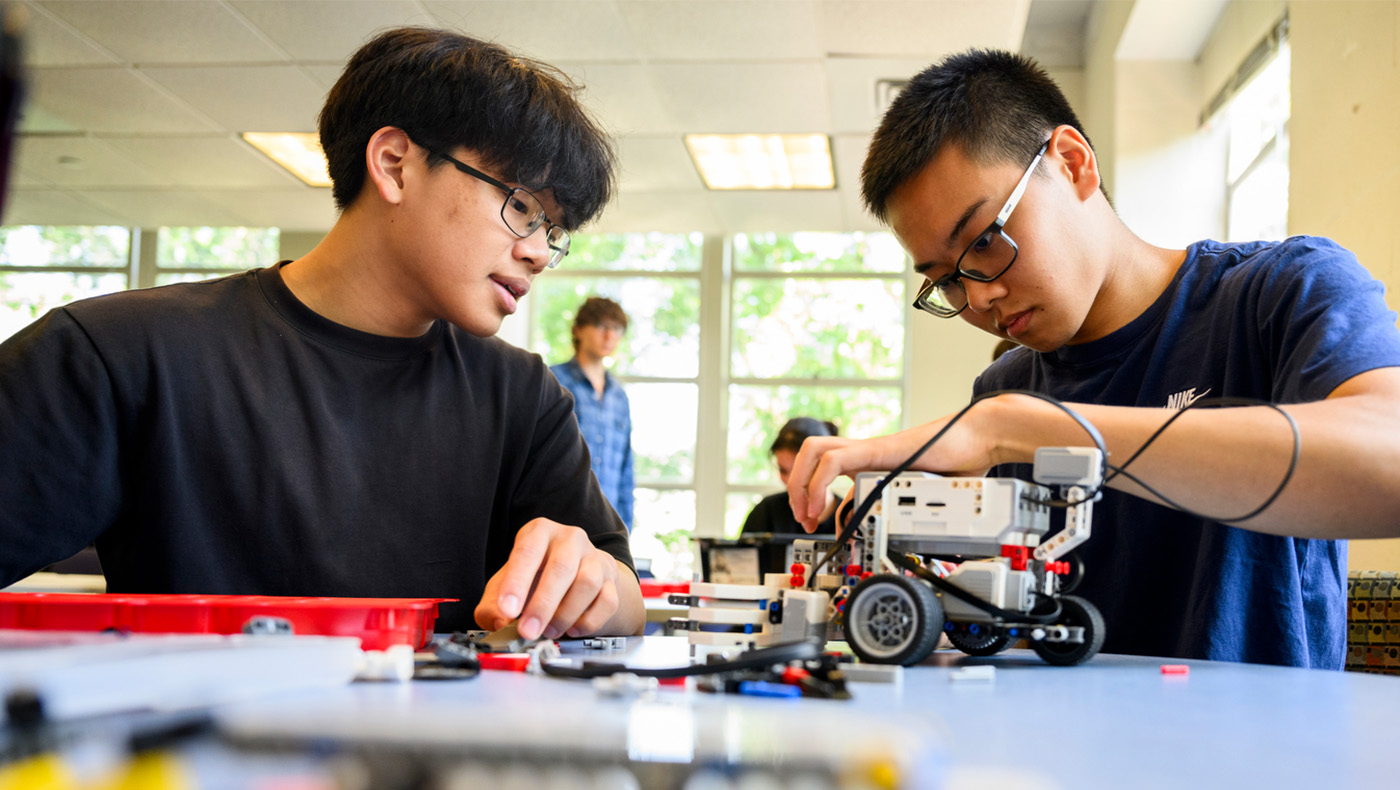
From Lego robots to forensic analysis, Northeastern gives Boston high school students a crash course in calculus and STEM
The Bridge to Calculus Program has been a smashing success, and over the past few years it has expanded. It now offers courses in physics, biology, chemistry and more.

Friction, speed and surprise: What sets Wimbledon’s grass courts apart from clay, hard courts
The grass tennis courts of Wimbledon are among the most recognizable in the world. But despite its fame, grass is one of the rarest surfaces on which tennis is played today; many tennis fans and players may never set foot on its lush turf during their lifetimes. How does the iconic Centre Court lawn compare...