COS News
News

A new report from a group of Northeastern researchers explores across disciplines how biotech can ensure safe, sustainable life beyond Earth.
The key to international space cooperation is developments in biotechnology, Northeastern researchers say
News

The NeuroPRISM lab, led by assistant psychology professor Stephanie Noble, makes tools that pave the way for reliable and reproducible neuroimaging of the brain.
Precise maps of the brain’s deepest corners are made possible through tools developed by these Northeastern researchers

The tiny ticks that cause Lyme seem to have superpowers that make them hard to kill. But you can protect yourself by following these steps
Associate biology professor, Constantin Takacks, shares information about deer ticks and some tips on how to stay safe.
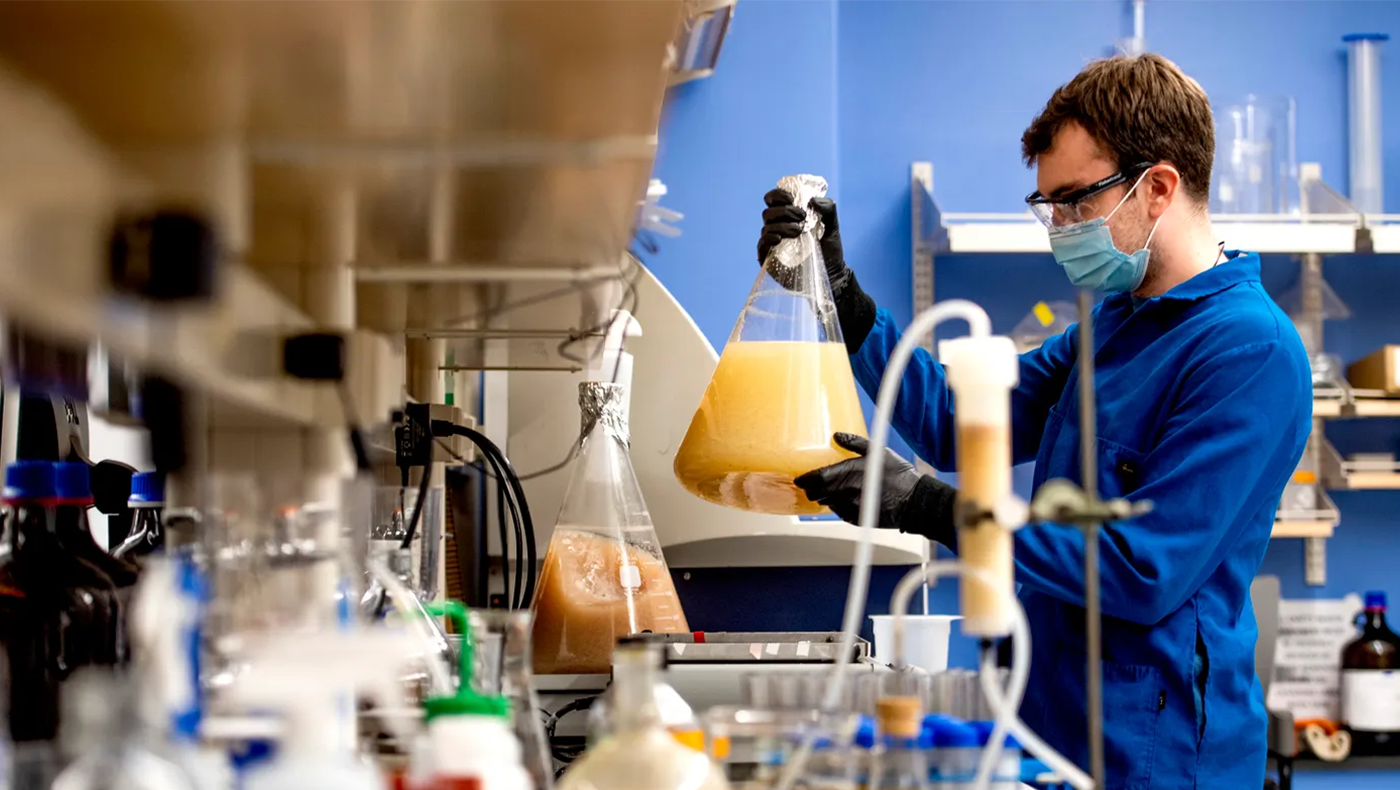
This antibiotic is effective against anthrax, and has no detectable resistance, Northeastern research finds
Kim Lewis and Slava Epstein, Northeastern biology professors, developed an antibiotic over a decade ago that can now be used against anthrax.
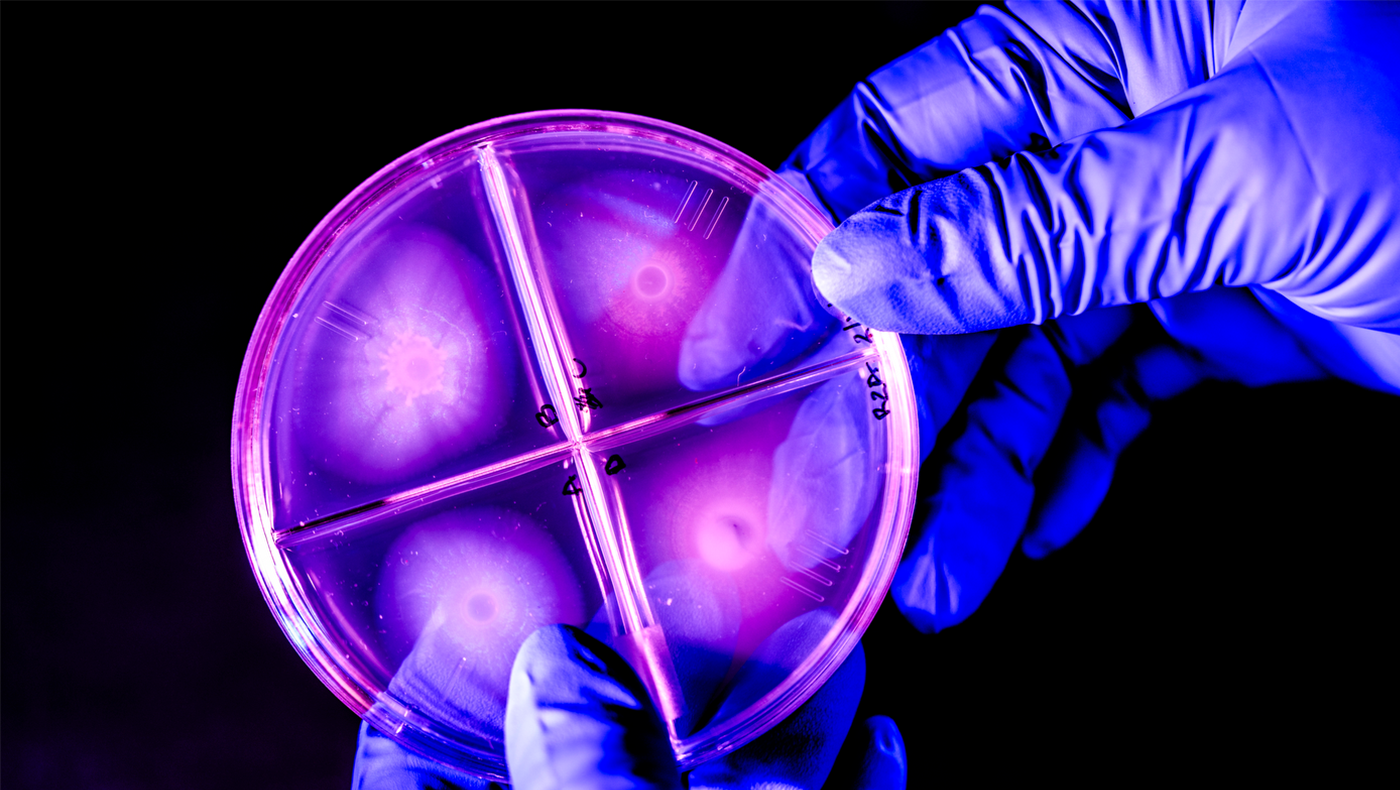
Patagonian ‘living rocks’ trace their origins to the beginning of life on Earth
Veronica Godoy-Carter, professor of Biology and Biochemistry, has sequenced the genome of a "living hill" or bacterial colony found in Patagonia.

Piano-playing Northeastern students help ailing seniors ‘step away from life for just a moment’
Bonnie Liu, fourth year cell and molecular biology major, is part of an organization that visits different places around Boston to play piano for geriatric patients.
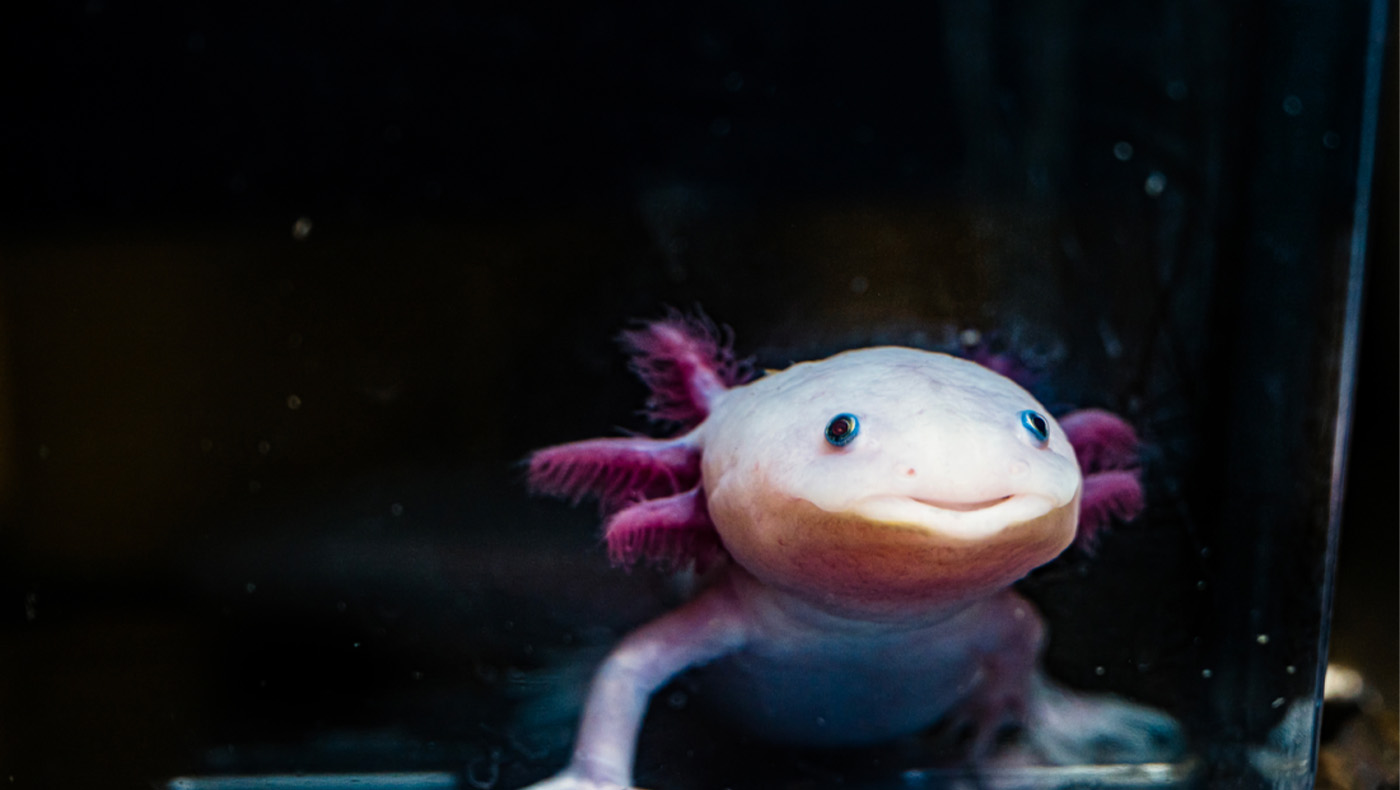
Why are axolotls suddenly so popular — and going extinct at the same time?
Northeastern University professors explain how the axolotl — an adorable amphibian with a permanent smile and pink, feathery gills — has become so popular, and why it’s also critically endangered in the wild.
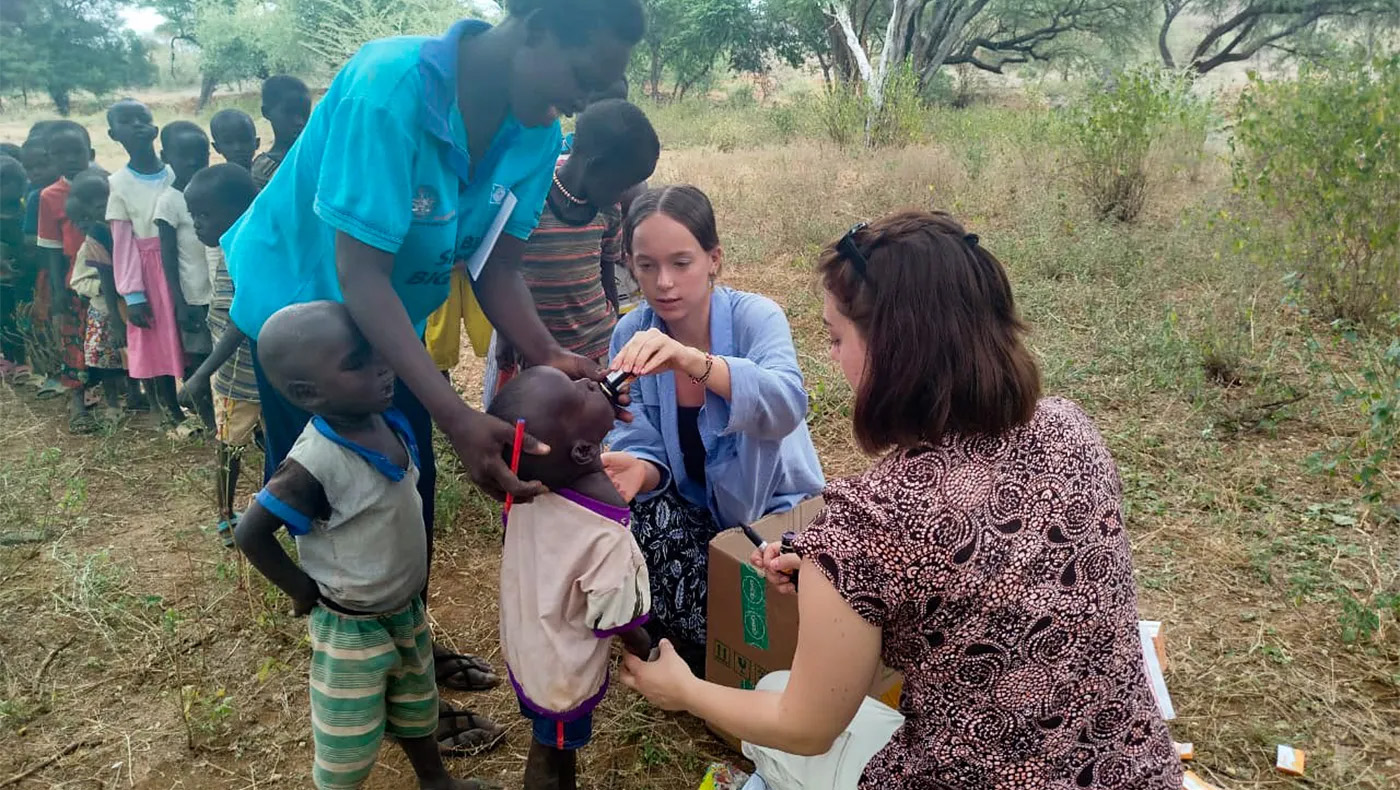
Northeastern co-op students work to prevent neglected tropical diseases and birth injuries among women in rural Kenya
Northeastern students Abigail Binkley and Abigail Williams spent their fall semester in Kenya on co-ops that explored the ways education and culture can help prevent the medical crises from occurring in the first place.

Who’s afraid of iambic pentameter? Not the Northeastern Shakespeare Society
“Shakespeare’s themes are universal and should be able to be viewed by everyone,” says Ainsley Niven-Merriman, assistant director of the Northeastern Shakespeare Society.

Welcome to the new College of Science Faculty!
We are delighted to welcome new faculty members with primary appointments in the College of Science whose teaching and research builds the Good Power of Science, trains the next generation of science professionals, and solves crucial research challenges.

New Northeastern research could revolutionize treatment for children’s growth plate fractures using stem cells
Andreia Ionescu, assistant professor of biology, is conducting research to understand how stem cells can be used to treat bone fractures.

New Northeastern lab plumbs the mysteries of the ticks and bacteria that cause Lyme
Constantin Takacs loves to study black-legged deer ticks and Borrelia burgdorferi, which is good news for everybody else.

Northeastern researcher Kim Lewis joins effort to accelerate discovery of new antibiotics
Northeastern researcher Kim Lewis is spearheading an effort to accelerate discovery of new antibiotics as part of a multi-institutional, federally funded project to tackle the growing problem of antibiotic resistance. “It’s a big issue because we largely stopped introducing novel antibiotics about 50 years ago,” says Lewis, distinguished professor of biology and director of Northeastern’s […]