COS News
News
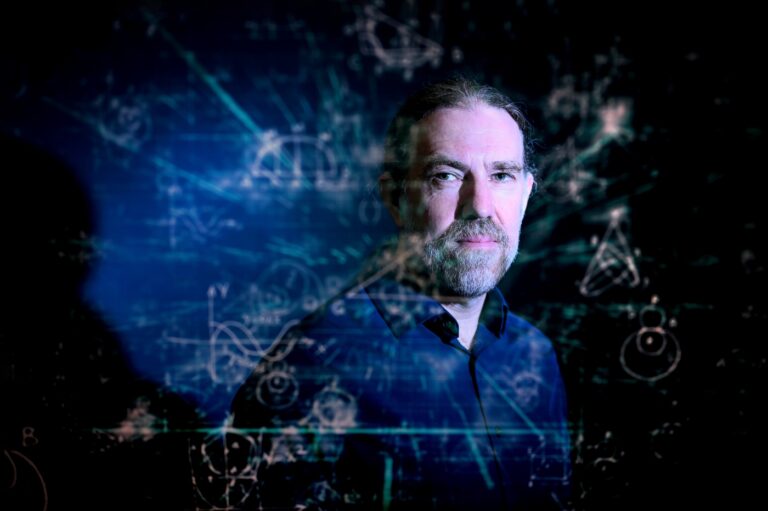
AI is making mathematical history. Experts explore how recent breakthroughs could reshape research, what people bring to the equation and why studying math still opens many doors.
AI is solving math problems that stumped humans. What comes next?
News
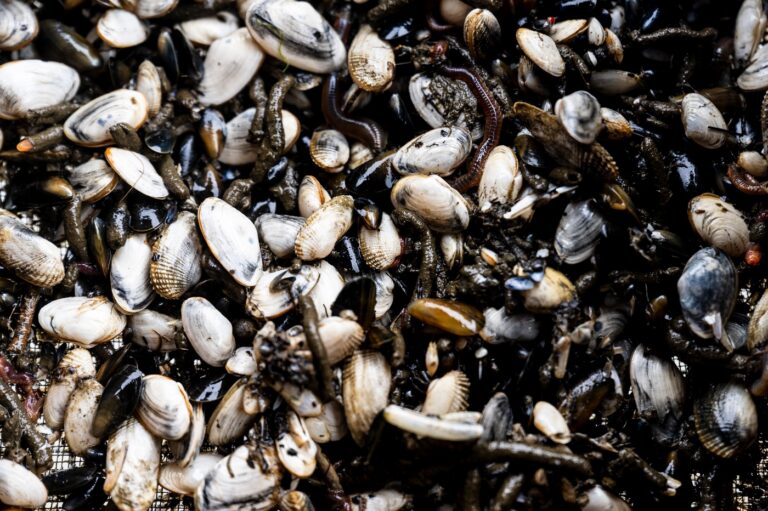
“The soft-shell clam has been a staple fishery in New England for generations,” said David Kimbro, associate professor of marine and environmental sciences at Northeastern.
How Northeastern is helping shellfishers and diners of a New England speciality
Showing 219 results in Psychology

Five insights about changing your mind
What happens when you slow down and start paying attention? Conversations with Northeastern experts reveal how meditation can change the way you experience everyday life.
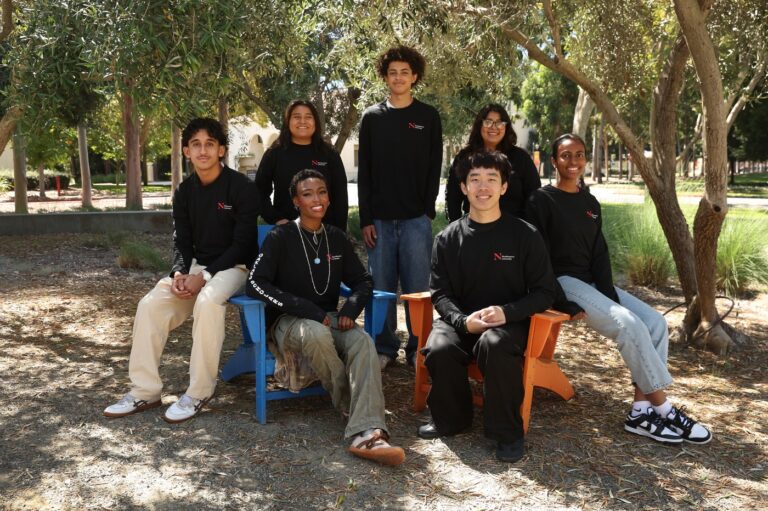
Northeastern awards full scholarships to accomplished Oakland students
To qualify, the Oakland high school students demonstrated extensive commitment to public service within their high schools’ communities.
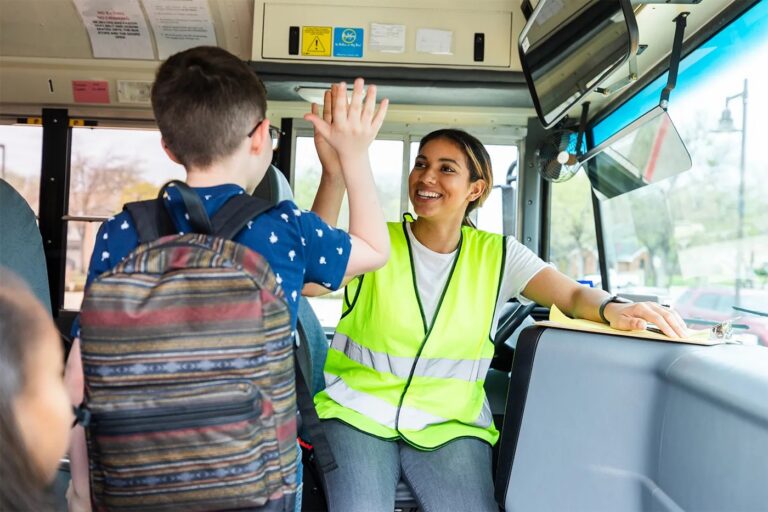
Grandparents, teachers and even bus drivers can build resilient kids
Scientists have spent decades studying what goes wrong in childhood. Northeastern researchers are measuring what goes right — and how those experiences can shape mental health years later.

Time2Learn, then time to sleep: evening practice may help language stick
When is the best time to practice a foreign language so your brain can cement it during sleep? Early findings by Northeastern researchers suggest studying in the evening may give learners an edge.

Can video games help personalize cognitive care for vulnerable groups?
Northeastern scientists are using video games to understand how to one day customize cognitive care for people with HIV.

Aerobic fitness may be a teller of some brain health, study suggests
Inhibitory control is the ability to suppress a response or actively ignore irrelevant distractions.

Zapping microscopic worms gives undergrads a leg up in competitive lab placements
Undergrads are utilizing their worm-zapping mastery to stand out within a competitive pool of science lab applicants in Boston.
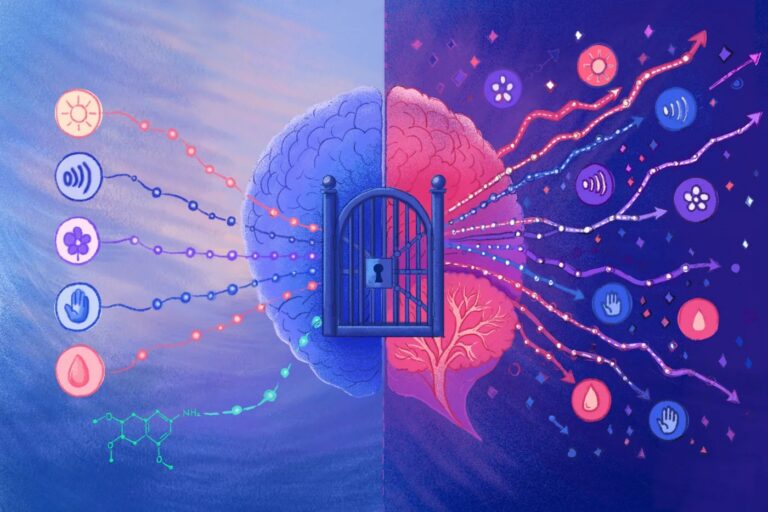
One of the oldest psychedelics meets modern brain imaging
Mescaline is a naturally occurring chemical found in cacti, mainly peyote cacti, that are located in the Southwest United States and Mexico.

Should you join the 5 AM Club? Why hitting snooze might be better for some
The morning routine that calls for an extra-early wakeup time has been touted by many, but what do sleep experts say? Northeastern researchers caution that sleep deprivation isn’t a price worth paying.

Cheerleading at World Cup was like ‘giant dance party’, Northeastern student says
Behavioral neuroscience student and New England Patriots Cheerleader Lana Vogler performed before a different set of football fan at the World Cup.

How World Cup goalies can find success using ‘short memory’
Playing the most isolating position in all of sport can be a heavy mental burden for goalkeepers, but certain psychological tricks can help.
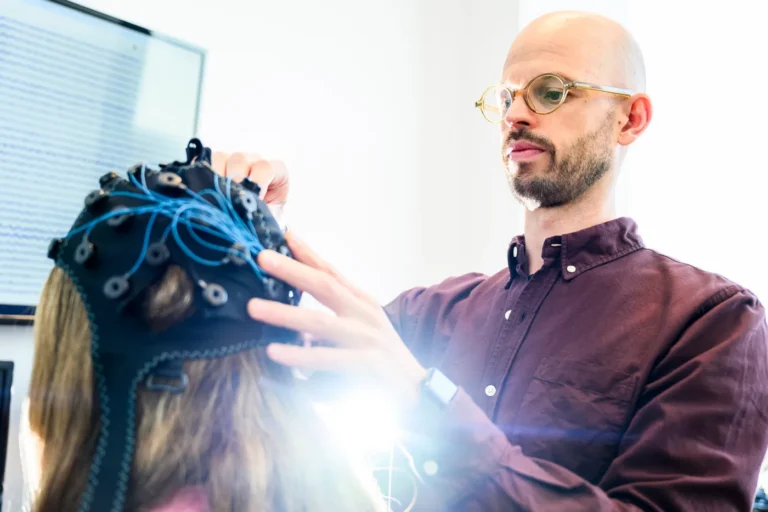
Being inactive isn’t good for anyone. This research got people with a traumatic brain injury moving
The effects of a traumatic brain injury can worsen with physical inactivity. Professor Charles Hillman has studied how to change this.