COS News
Research
“The basic premise is that AI can help us do better physics, and something that is less expected is that physics can also help us understand AI better,” said Northeastern professor James Halverson.
AI and physics have more in common than you might think.
News
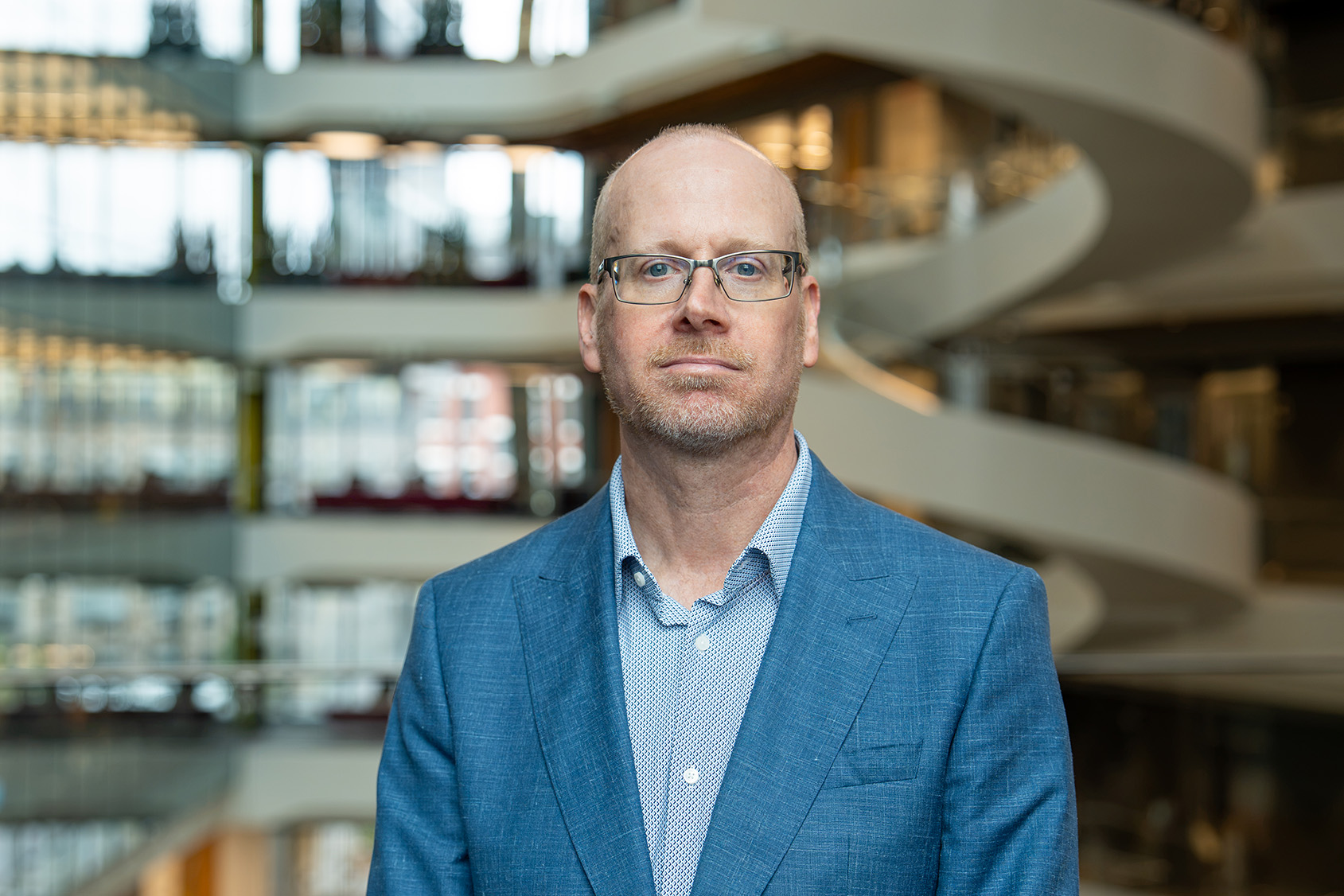
Mark Williams, Professor and Chair of the Department of Physics, will assume the role of Dean of the College of Science, effective July 1, 2026.
Mark C. Williams named Dean of the College of Science
Showing 247 results in Physics
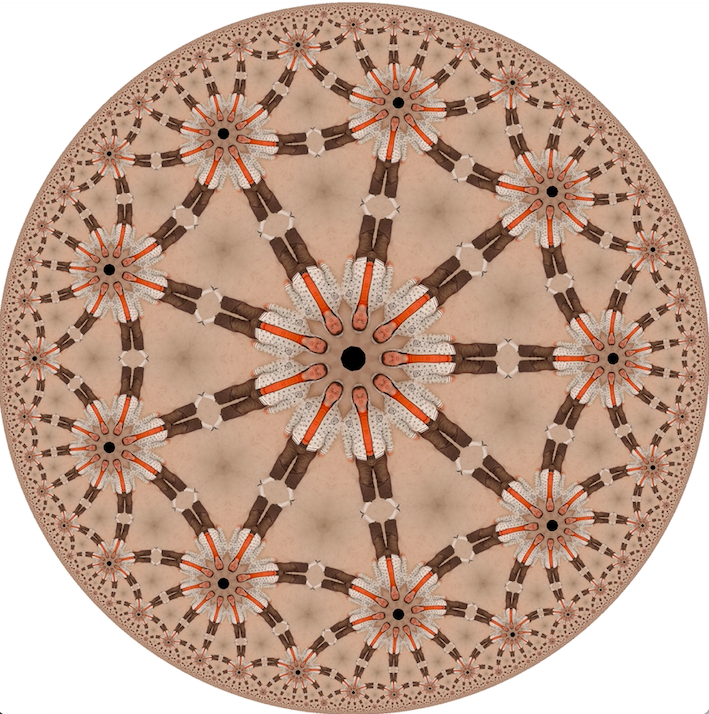
Understanding Networks: The power to predict pandemics, information spread, and quantum gravity
Dr. Krioukov’s lab recently published two papers in the field of network science. These papers show that (1) the geometry of networks can be elucidated by understanding the network’s latent properties and (2) For networks living in latent space, finding their geometry is possible using a previously known standard called Ollivier Curvature.
These researchers are predicting COVID-19 trends weeks before standard surveillance
Imagine trying to avoid a car crash. Every split second you spend deliberating what to do, you waste precious time needed to alter your course. Any delay between your brain’s perception of danger and your foot’s contact with the brake could mean the difference between life or death. Members of Northeastern’s Laboratory for the Modeling...
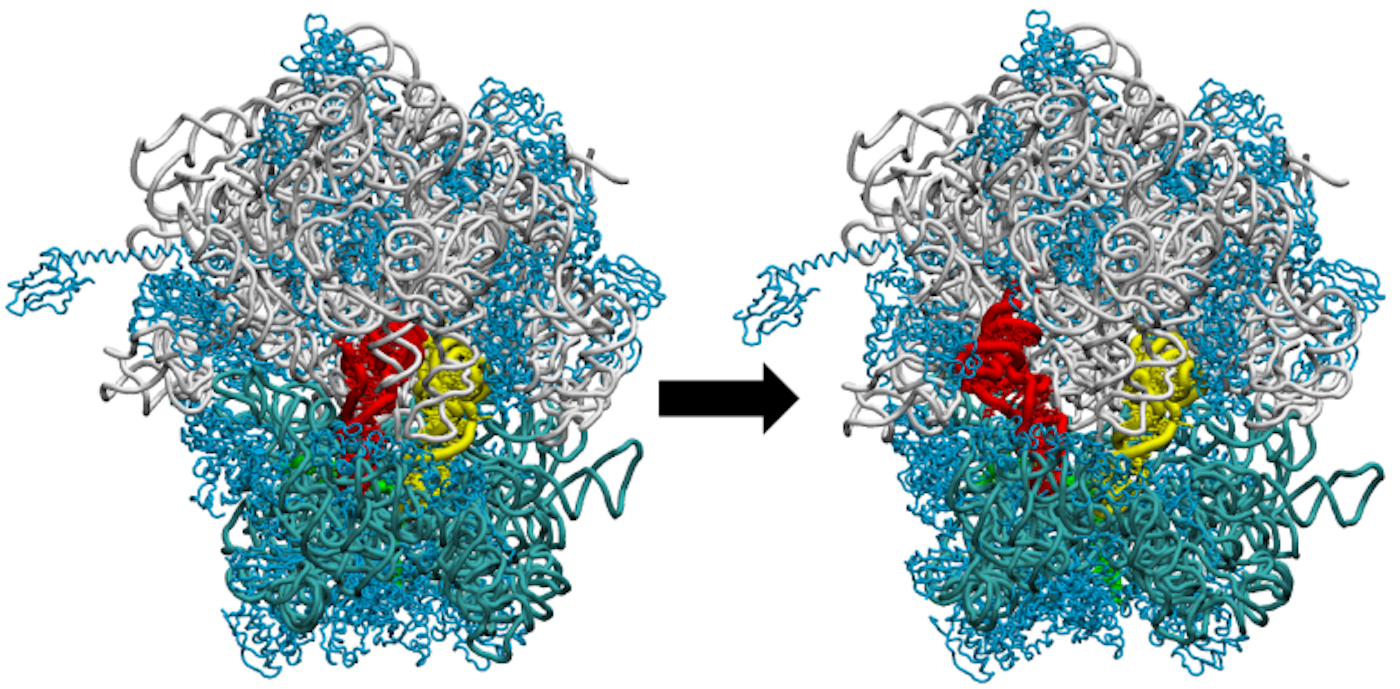
The Ribosome: Is it the Key to the Next Generation of Antibiotic Therapies?
This article highlights the research done by the Whitford lab that was recently published in the journal Nature. Using high-performance computer modeling, the research group identified a target location on the ribosome that elucidates a potential for antibiotic therapies.
Diseases spread differently, region by region. This Mathematical model shows how.
Considering how many factors contribute to the worldwide spread of airborne infectious diseases, forecasting pandemics can be a daunting task. In an attempt to reflect that complex reality, Northeastern’s Laboratory for the Modeling of Biological and Sociotechnical Systems (MOBS Lab) has developed a new, data-driven model that factors in patterns of interpersonal behavior down to the state or province...

Make a heart-healthy resolution this year
If you’re making resolutions for 2021, why not make one that’s good for your heart? A new study by researchers from Northeastern University, Harvard University, and Brigham and Women’s Hospital shows that certain foods—including wine, yogurt, carrots, peanuts, breakfast cereal, grapes, and raisins—are associated with a lower risk of developing coronary heart disease. The researchers also found...
Luigi Morelli Fund supports 2020 honoree, Sree Kankanala
Physics student Sree Kankanala came to the United States in September 2019 from her home in India. She spent the next four months longing to go home. Even for a bright, curious and friendly graduate student, it’s hard to be so far away from friends and family, and in a new country for the very...
Faculty Research Talks: Exploring the Smallest Scales with the World’s Biggest Science Experiments with Toyoko Orimoto
Learn how Professor Orimoto is breaking down the Standard Model in particle physics to understand how our universe is built.
Four Northeastern Researchers Named to 2020 List of ‘Highly Cited Researchers’
Each year, the researchers most cited by their peers are recognized for their achievements in science. This year the College of Science has four faculty with the distinction.
Cellaria Inc. Partners with Researchers at Northeastern University to Advance New Photomedicine Therapies for Key Cancers
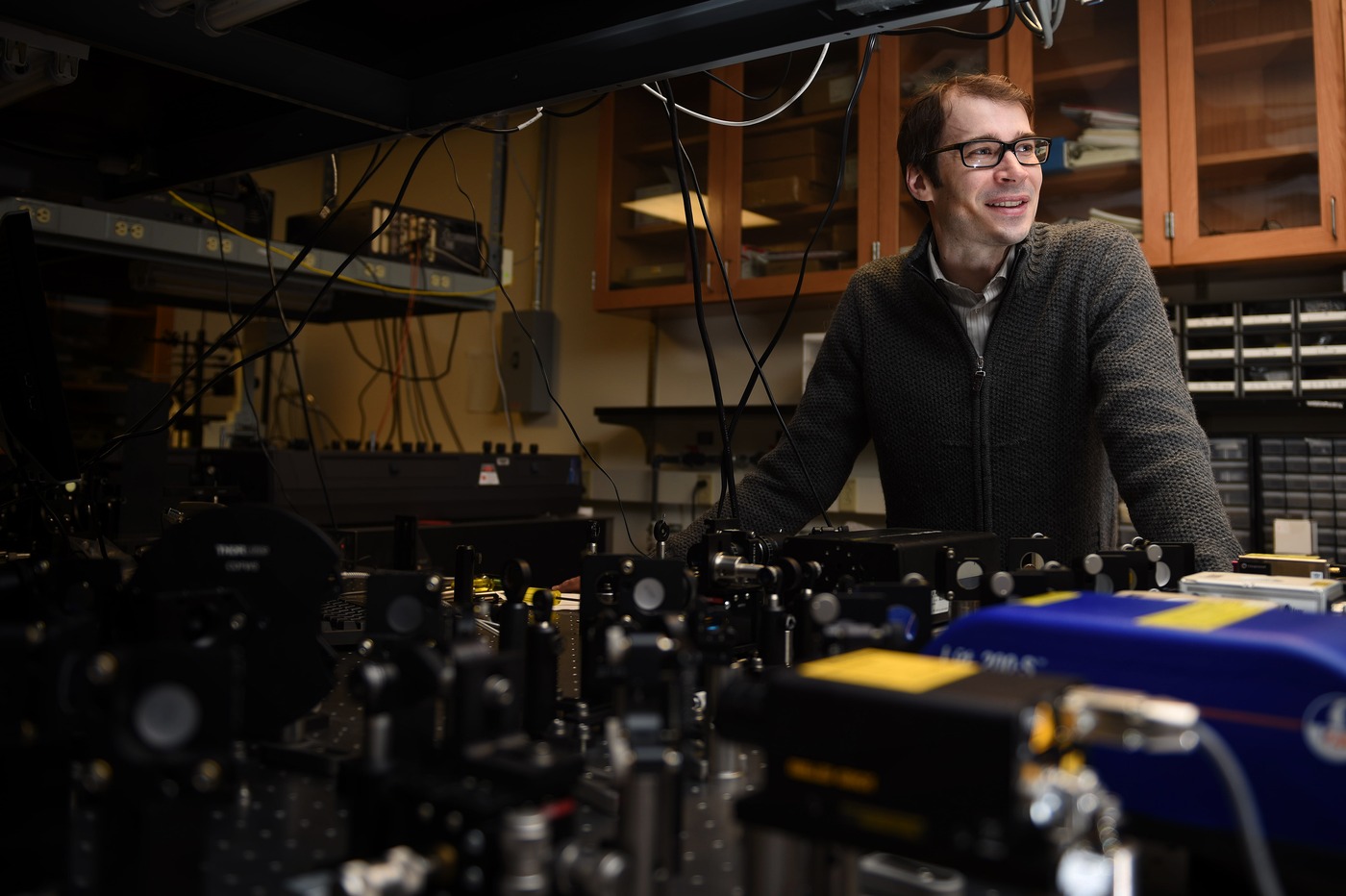
Partnering with Cellaria, Northeastern's Spring lab has been awarded a grant of $3.2 M for cancer therapy research, based around Dr. Bryan Spring's focus on antibody-photosensitizers.
Getting Under Your Skin: How a Interdisciplinary Team of Scientists Came Together to Study Epithelial Cells
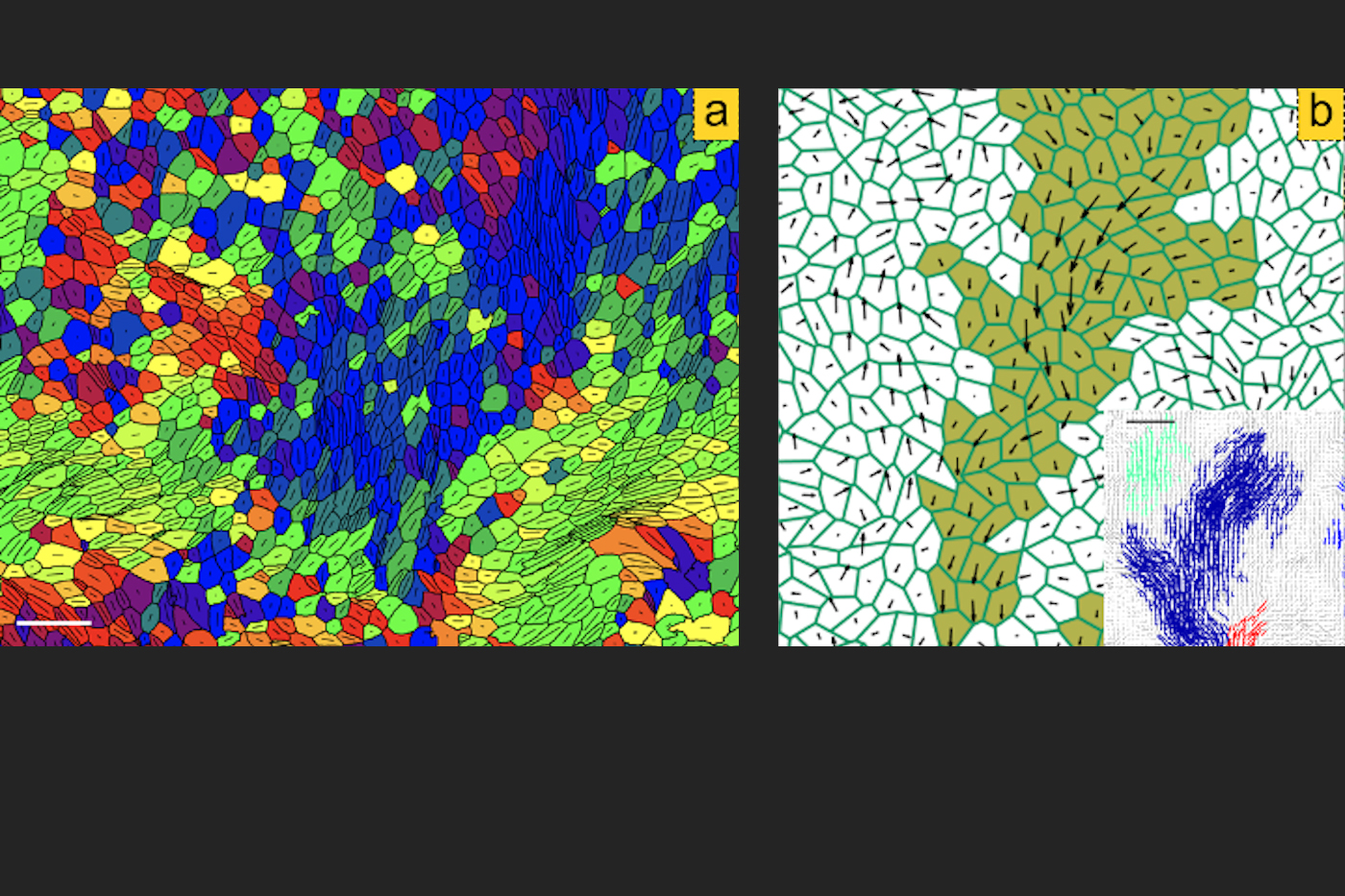
A duo of Northeastern physicists team up with Harvard biologists to accomplish something neither group could on their own. Find out how physics can revolutionize the biological sciences, and what it means for physics in return.
Is Math Really the Language of Nature? This Physicist is on a Quest to Find Out.
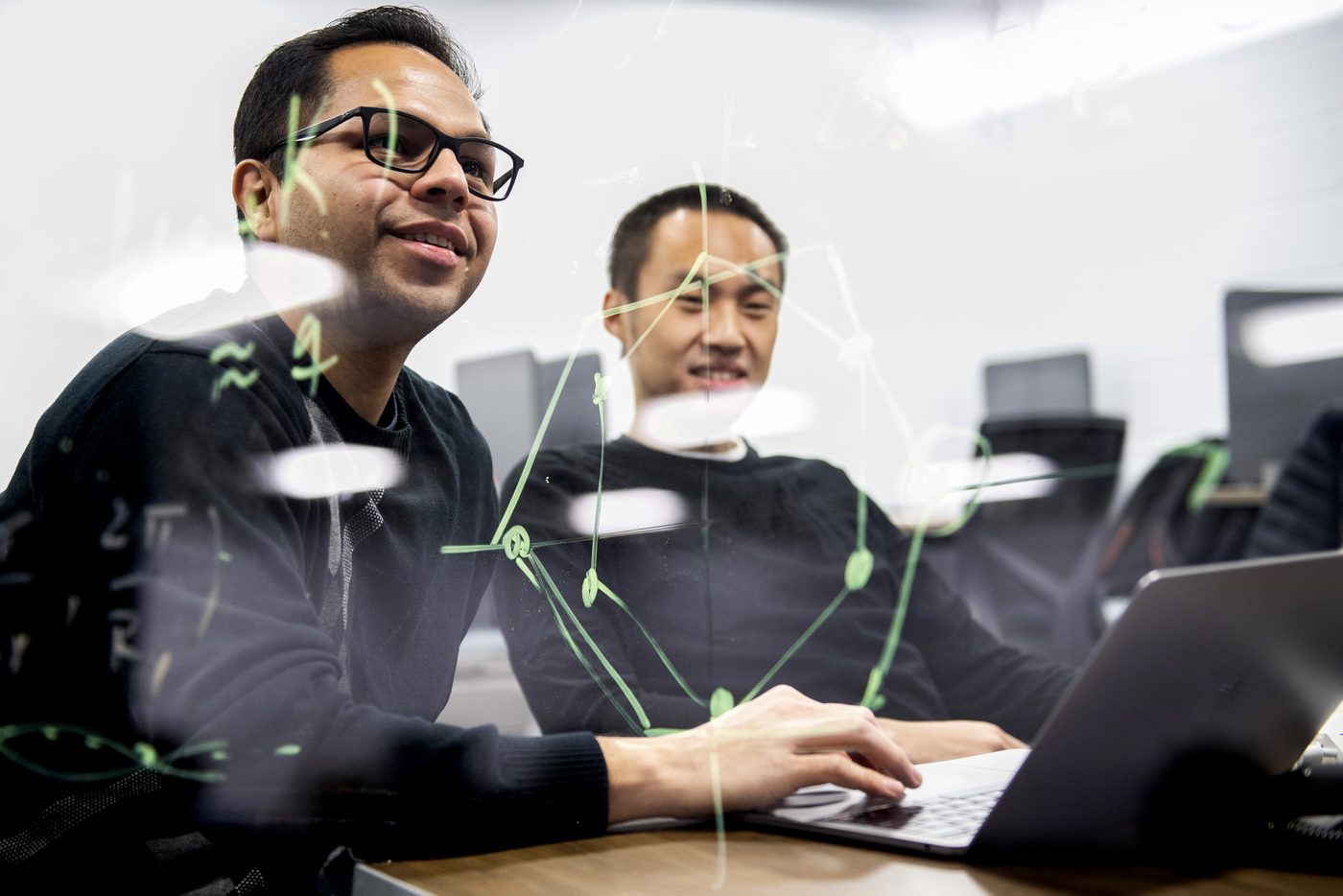
Growing up in a small Mexican town, Martin Rodriguez-Vega, a postdoctoral research associate in physics, felt disconnected from anything scientific. Now, as he studies the exotic properties of quantum materials, Rodriguez Vega finds that one of the most important parts of being a physicist is the bonds he’s formed with budding and accomplished scientists alike.
Flu season is coming and COVID-19 is still here. Can disease forecasts tell them apart?
Flu season can be difficult for regular people, and those like Alessandro Vespignani who try to predict it. Adding in COVID could make it a nightmare.