COS News
Research

“The basic premise is that AI can help us do better physics, and something that is less expected is that physics can also help us understand AI better,” said Northeastern professor James Halverson.
AI and physics have more in common than you might think.
News
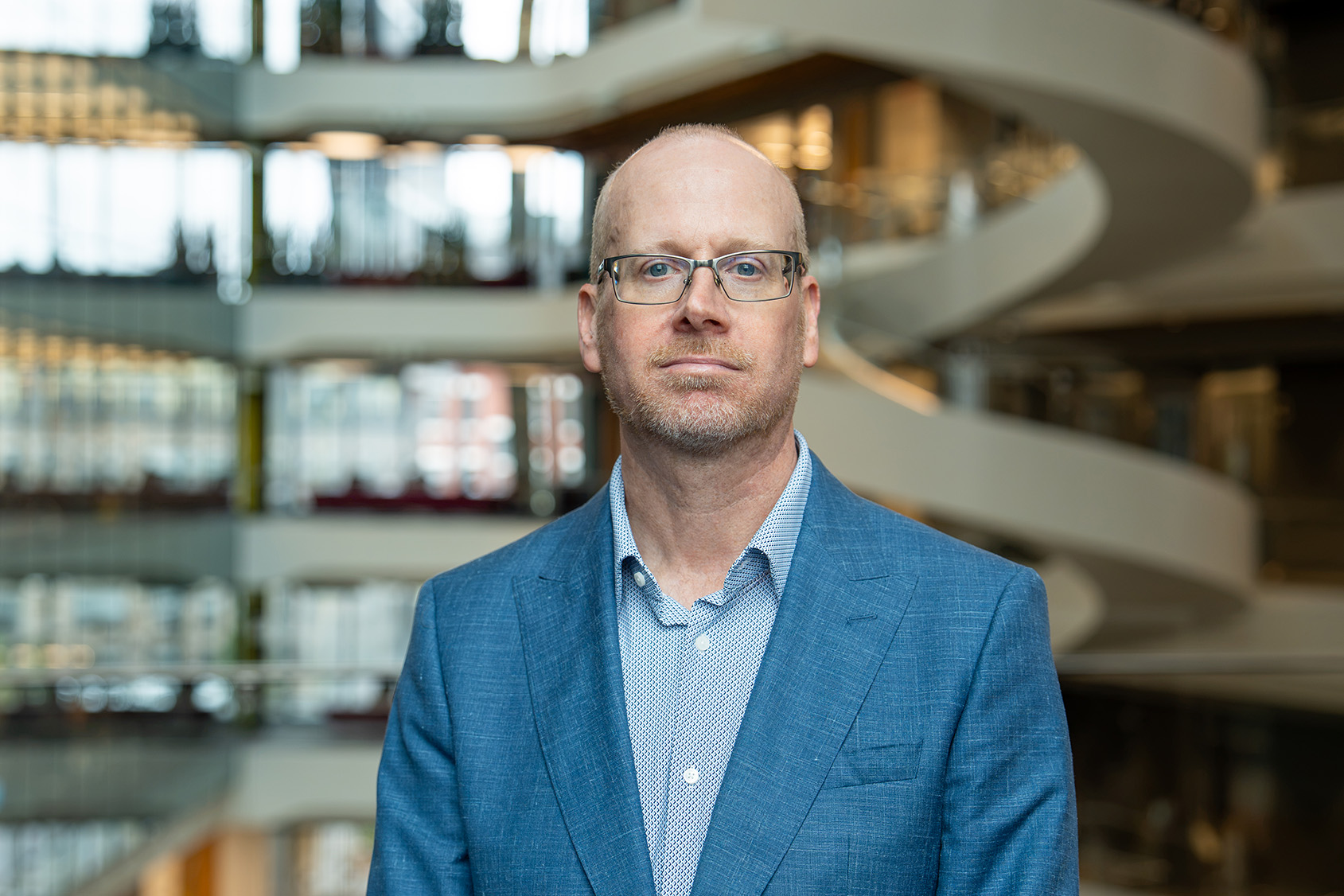
Mark Williams, Professor and Chair of the Department of Physics, will assume the role of Dean of the College of Science, effective July 1, 2026.
Mark C. Williams named Dean of the College of Science
Showing 242 results in Physics

Solving Quantum Riddles: Dr. Sijia Dong is Using Machine-Learning to Overcome Challenges in Quantum Chemical Computation
Complex chemistry, Machine learning, and quantum mechanics are fields that take strong computers and a lot of time to understand. Dr. Sijia Dong is simplifying that process by uniting the three.
College of Science Connects: Research at the Frontier – Experimental Biological Physics
Hazel Sive, Dean of the College of Science, talks to Meni Wanunu, Associate Professor of Physics, on his expertise in experimental biological physics researching biosystems at the nanoscale. Dr. Wanunu’s lab is developing novel techniques that probe how small molecular changes affect the global properties of macromolecules and biomolecules.

Could humans visit Venus? Here’s a plan to do just that.
There’s a hellscape right here in our own solar system, and a team of Northeastern students wants to send human explorers to check it out. Photo by NASA/JPL
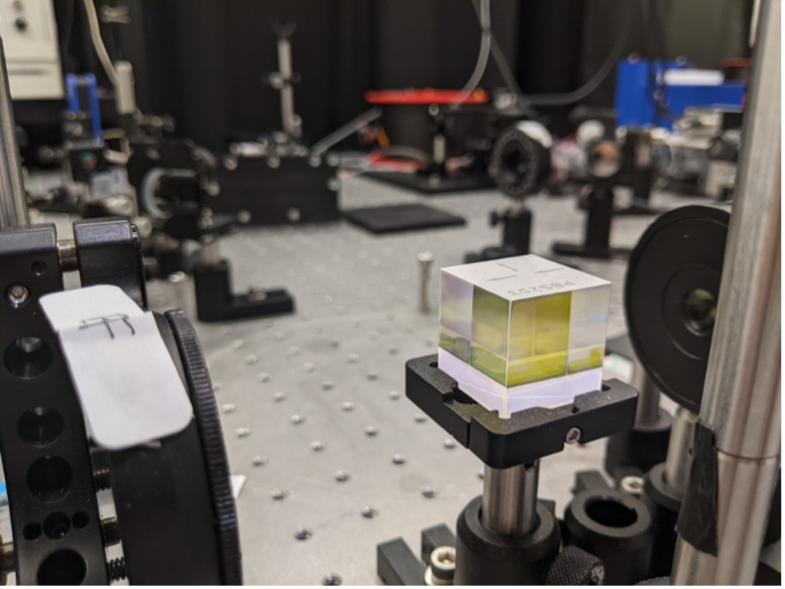
Scialog’s Newest Bioimaging Fellow: Dr. Bryan Spring
This article highlights Northeastern’s Bryan Spring who has recently been selected as a Scialog fellow for research in bioimaging. This prestigious award is meant to foster collaboration and innovation within the bioimaging community.
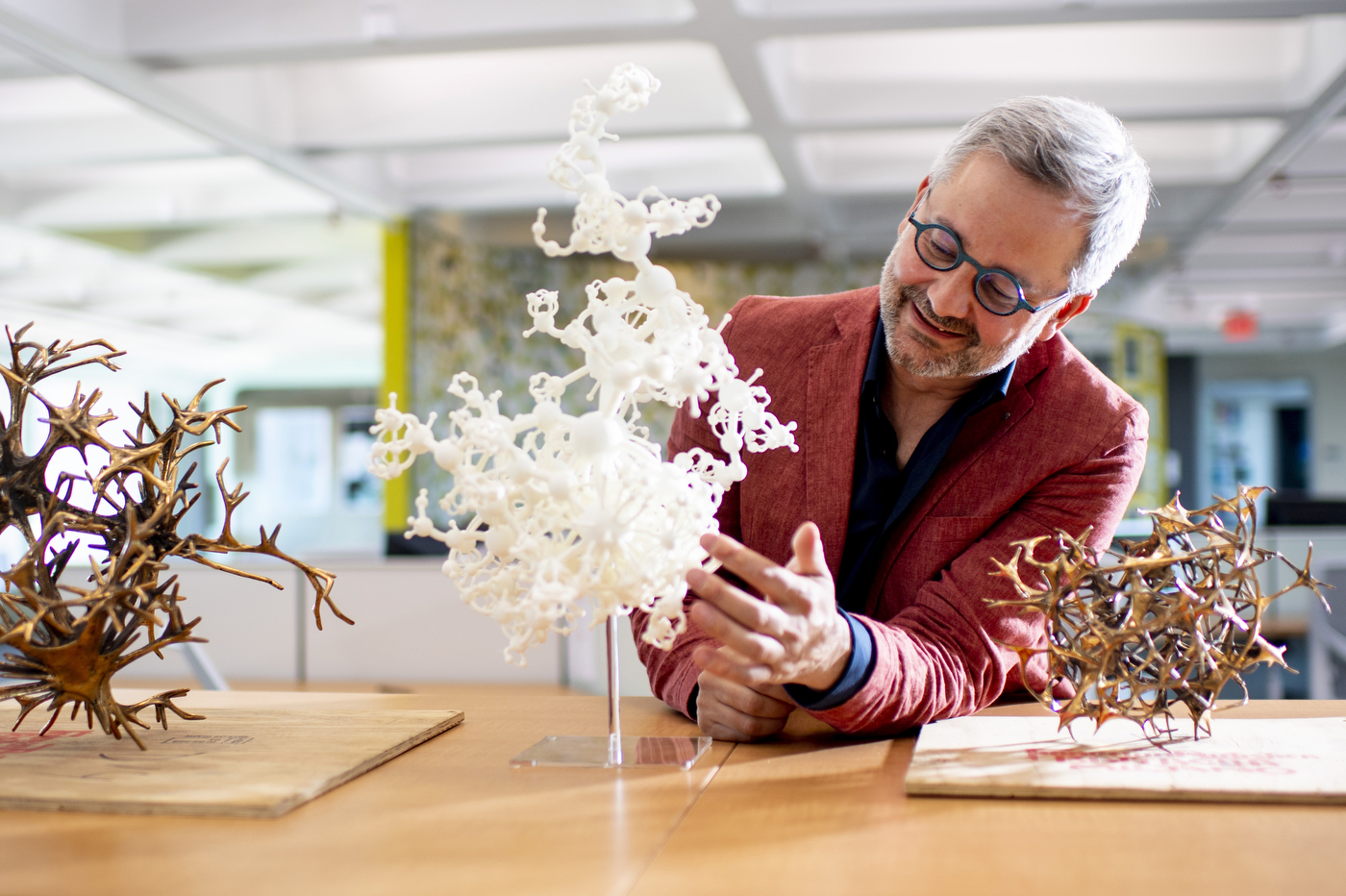
Sculpture meets science when physicist Albert-László Barabási makes art from network patterns
Albert-László Barabási wanted to be a sculptor. Then he discovered physics and pioneered a new field of network science. Now, the Northeastern professor has also developed a new form of art, too. Photo by Ruby Wallau/Northeastern University
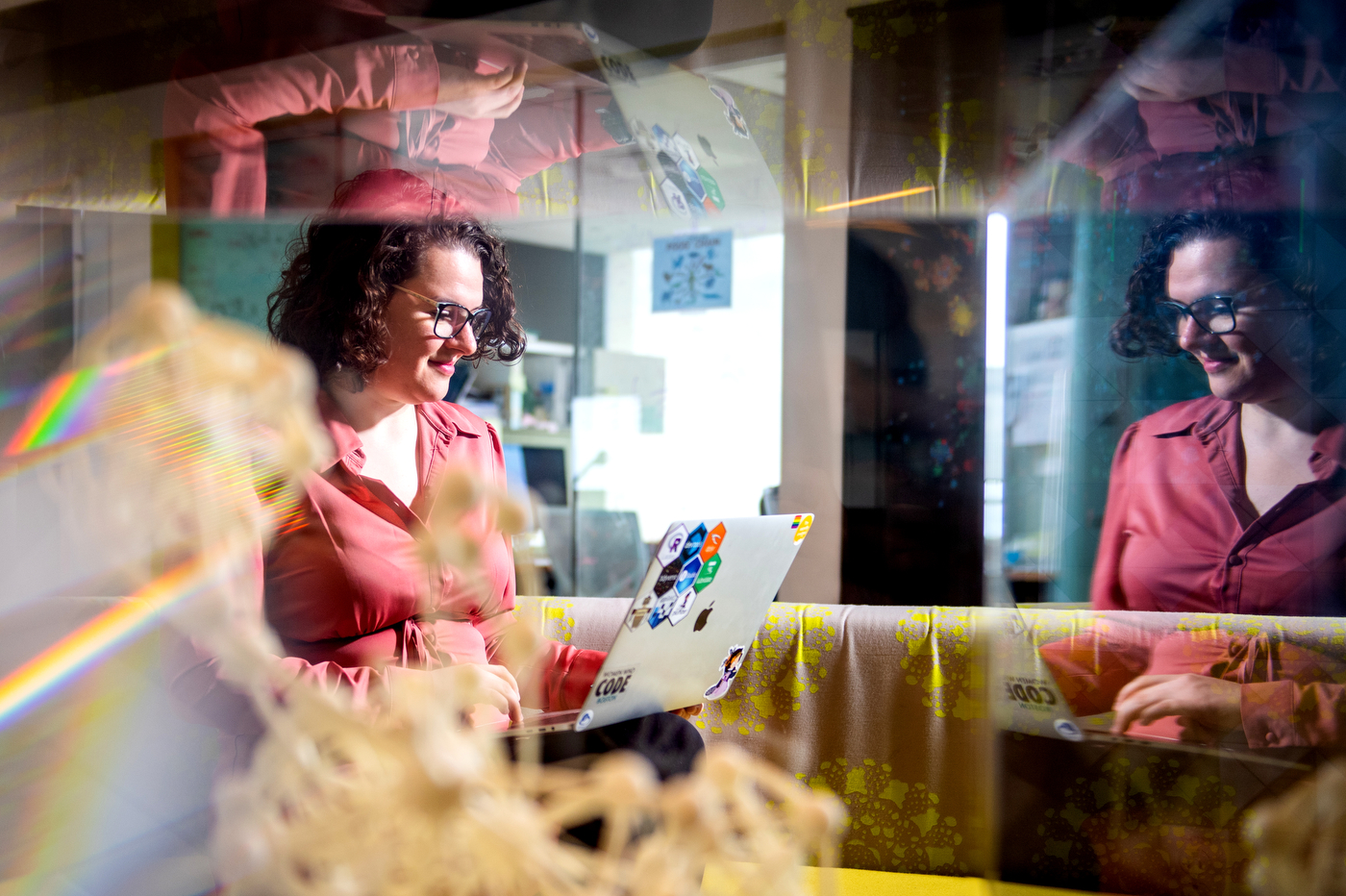
Existing drugs may hold the key to curing COVID-19
Developing new disease treatments can take years. That's why Northeastern researcher Deisy Morselli Gysi and her colleagues looked at existing drugs to treat COVID-19. And now they have four strong contenders. Photo by Matthew Modoono/Northeastern University
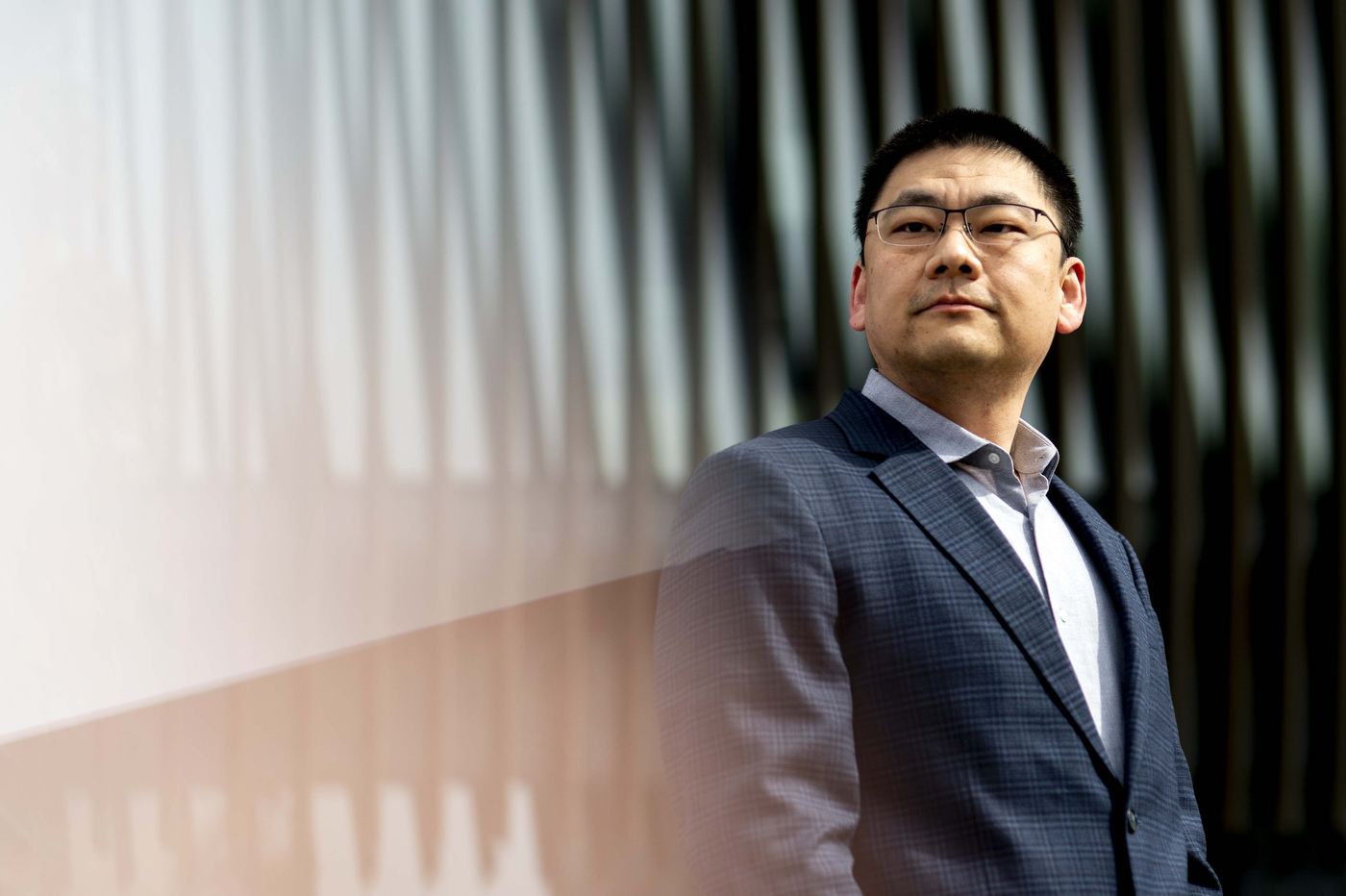
His parents wanted a better life for Max Bi: Their gamble paid off.
Max Bi was 14 years old when his parents moved from Beijing to New York to create more opportunities for their only child. “It was for me to get a better education,” says Bi, an assistant professor of physics at Northeastern. “The competition is fierce in China, and I wasn’t a top student in middle...
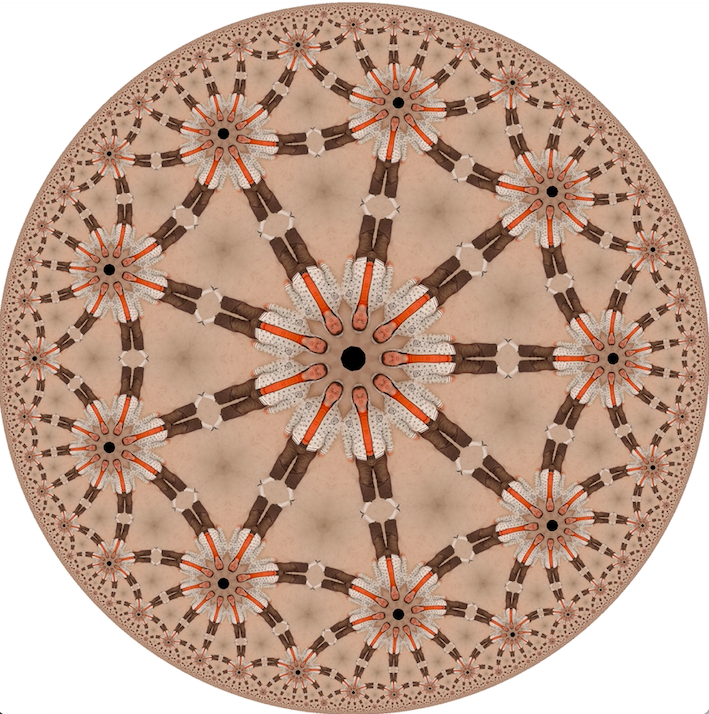
Understanding Networks: The power to predict pandemics, information spread, and quantum gravity
Dr. Krioukov’s lab recently published two papers in the field of network science. These papers show that (1) the geometry of networks can be elucidated by understanding the network’s latent properties and (2) For networks living in latent space, finding their geometry is possible using a previously known standard called Ollivier Curvature.
These researchers are predicting COVID-19 trends weeks before standard surveillance
Imagine trying to avoid a car crash. Every split second you spend deliberating what to do, you waste precious time needed to alter your course. Any delay between your brain’s perception of danger and your foot’s contact with the brake could mean the difference between life or death. Members of Northeastern’s Laboratory for the Modeling...
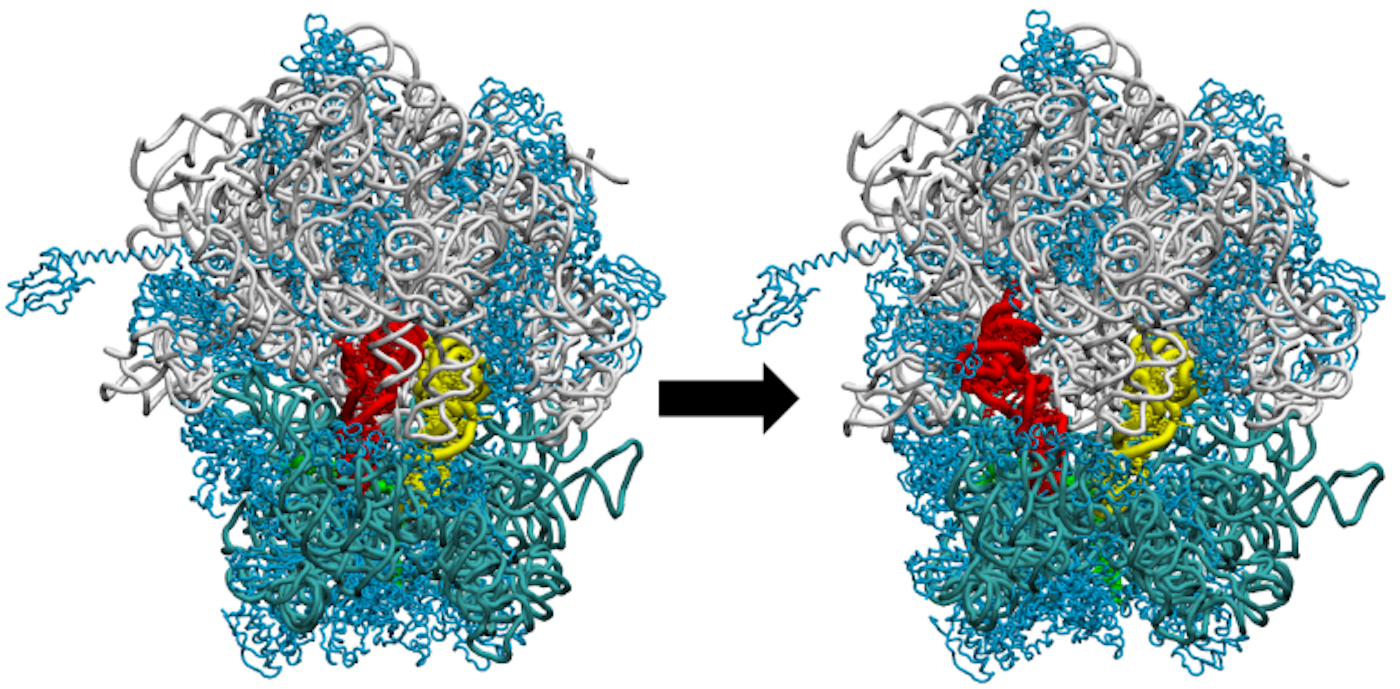
The Ribosome: Is it the Key to the Next Generation of Antibiotic Therapies?
This article highlights the research done by the Whitford lab that was recently published in the journal Nature. Using high-performance computer modeling, the research group identified a target location on the ribosome that elucidates a potential for antibiotic therapies.

Diseases spread differently, region by region. This Mathematical model shows how.
Considering how many factors contribute to the worldwide spread of airborne infectious diseases, forecasting pandemics can be a daunting task. In an attempt to reflect that complex reality, Northeastern’s Laboratory for the Modeling of Biological and Sociotechnical Systems (MOBS Lab) has developed a new, data-driven model that factors in patterns of interpersonal behavior down to the state or province...

Make a heart-healthy resolution this year
If you’re making resolutions for 2021, why not make one that’s good for your heart? A new study by researchers from Northeastern University, Harvard University, and Brigham and Women’s Hospital shows that certain foods—including wine, yogurt, carrots, peanuts, breakfast cereal, grapes, and raisins—are associated with a lower risk of developing coronary heart disease. The researchers also found...