COS News
News

A new report from a group of Northeastern researchers explores across disciplines how biotech can ensure safe, sustainable life beyond Earth.
The key to international space cooperation is developments in biotechnology, Northeastern researchers say
News

The NeuroPRISM lab, led by assistant psychology professor Stephanie Noble, makes tools that pave the way for reliable and reproducible neuroimaging of the brain.
Precise maps of the brain’s deepest corners are made possible through tools developed by these Northeastern researchers
Showing 187 results in Psychology
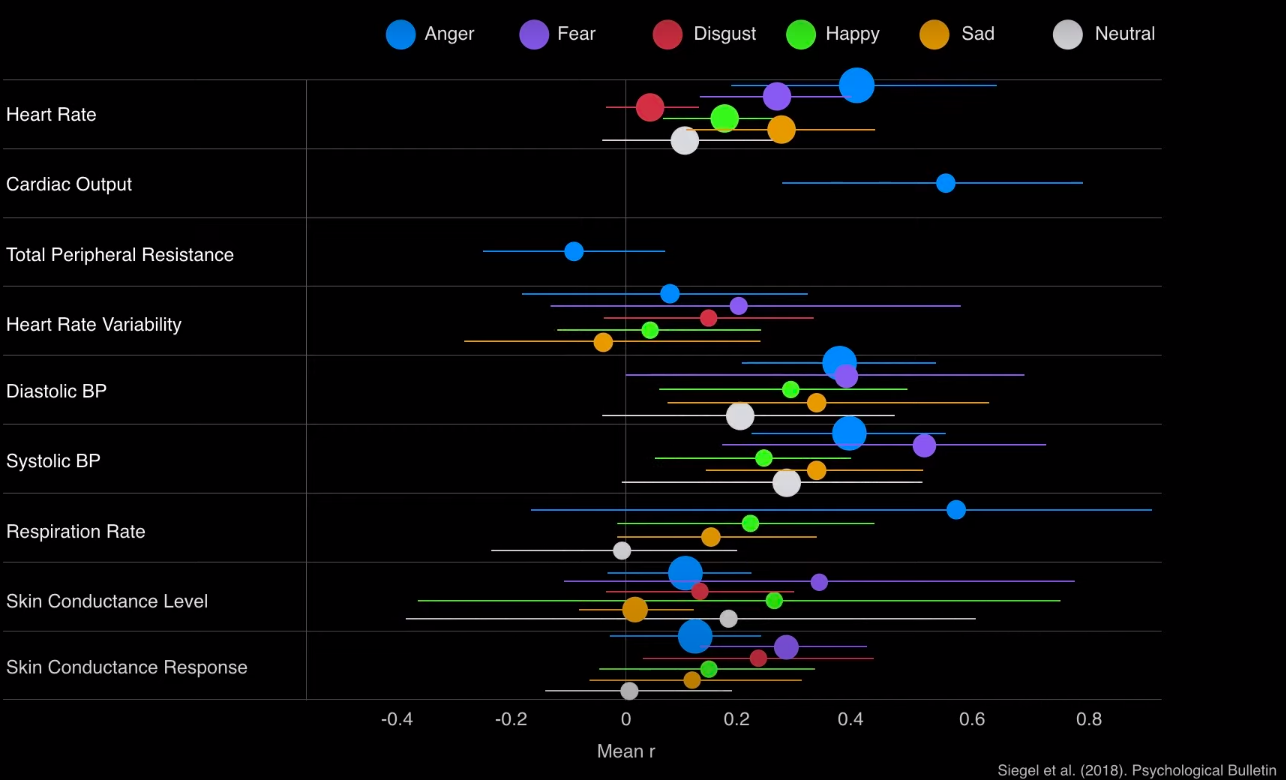
The Pursuit of Happiness (and Other Emotions): Using AI to Redefine Assumptions in Affective Science
Researchers in Northeastern’s PEN group use machine learning analysis to question the assumption that commonly used emotion words have biological meaning in a recent paper.

My Co-op Experience: Wrann Lab at Massachusetts General Hospital
In January 2020, I started my first co-op as a research technician at Dr. Christiane Wrann’s laboratory at Massachusetts General Hospital. The research at the Wrann lab focuses on investigating the role of an exercise hormone, irisin, as a therapeutic for Alzheimer’s disease using mice models. We also study how the deletion of irisin’s gene […]
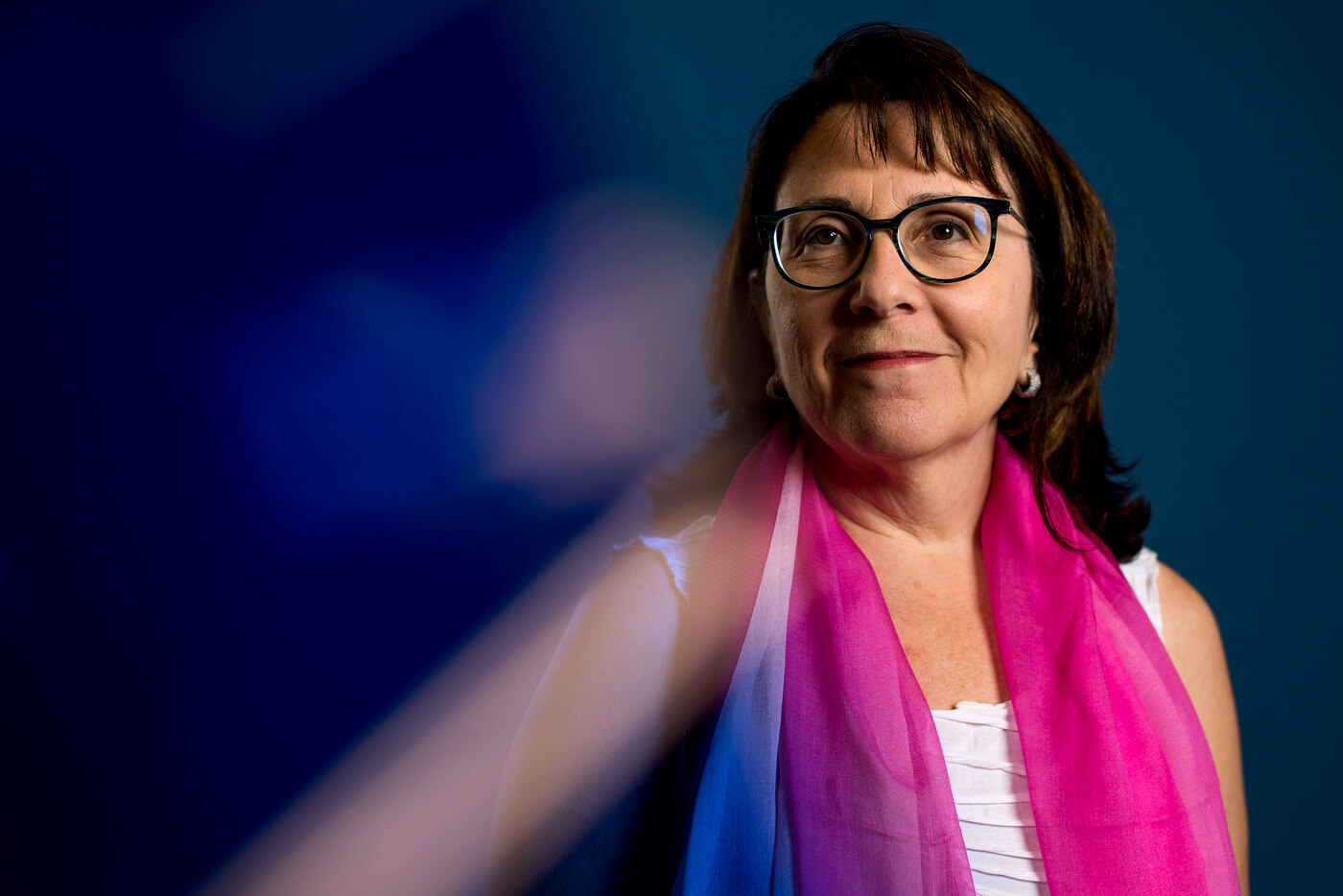
College of Science Connects: Research at the Frontier of Psychology & Neuroscience
Hear from Hazel Sive, Dean of the College of Science, as she talks to Lisa Feldman Barrett, University Distinguished Professor of Psychology. Professor Barrett, among the top one percent most cited scientists in the world, will discuss her groundbreaking research in psychology and neuroscience and how the human brain, in continual conversation with the human body and the world, regulates the body and creates mental events, such as episodes of emotion.
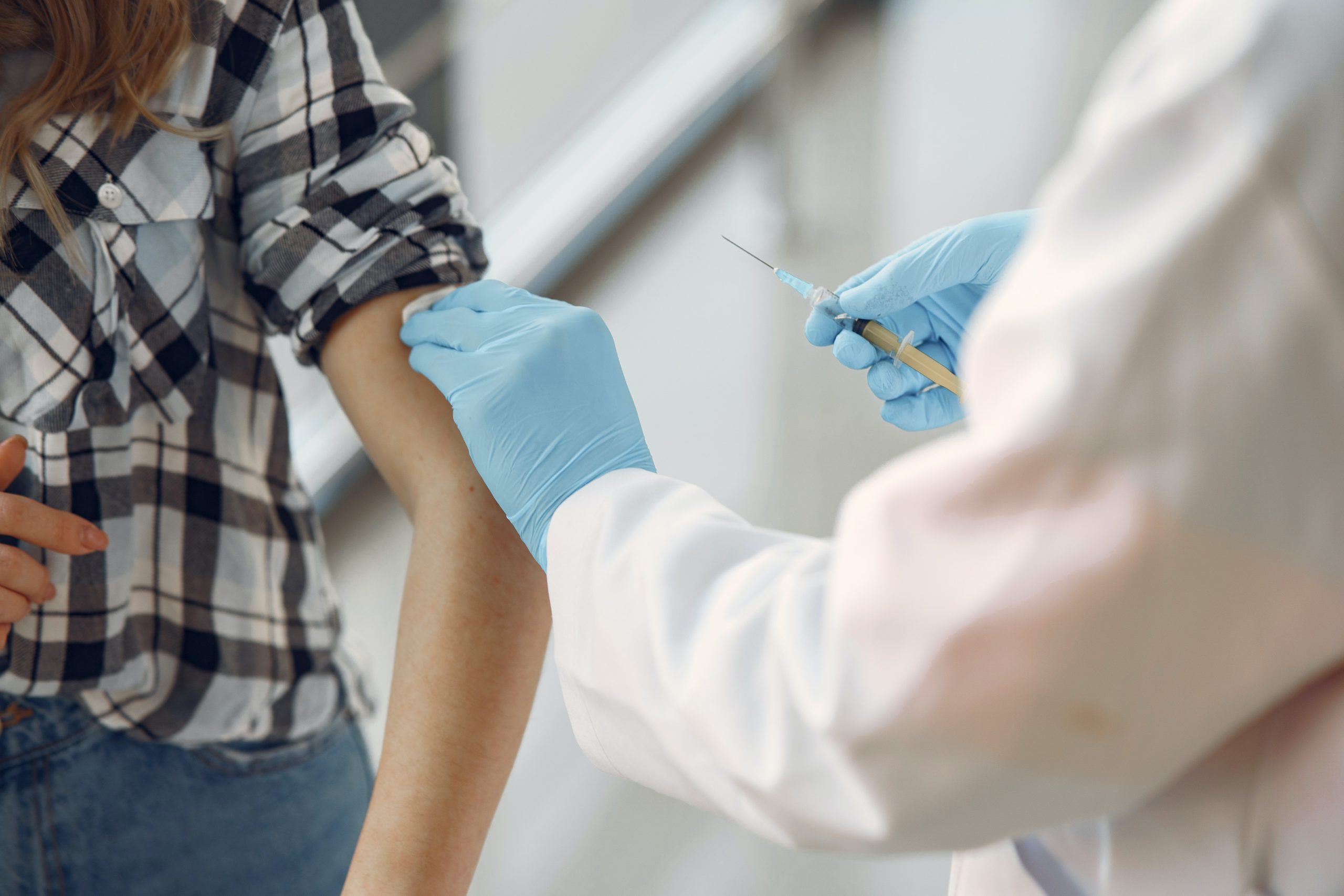
Here’s Why We Need a PSA for the COVID-19 Vaccine
As COVID-19 vaccines begin making their way from science labs to doctors’ offices, three former U.S. presidents—Bill Clinton, George W. Bush, and Barack Obama—have said they’re willing to get their shots on camera in order to encourage skeptical Americans to do the same. The move is “a good first step,” says psychology professor Lisa Feldman Barrett, but a broader, […]
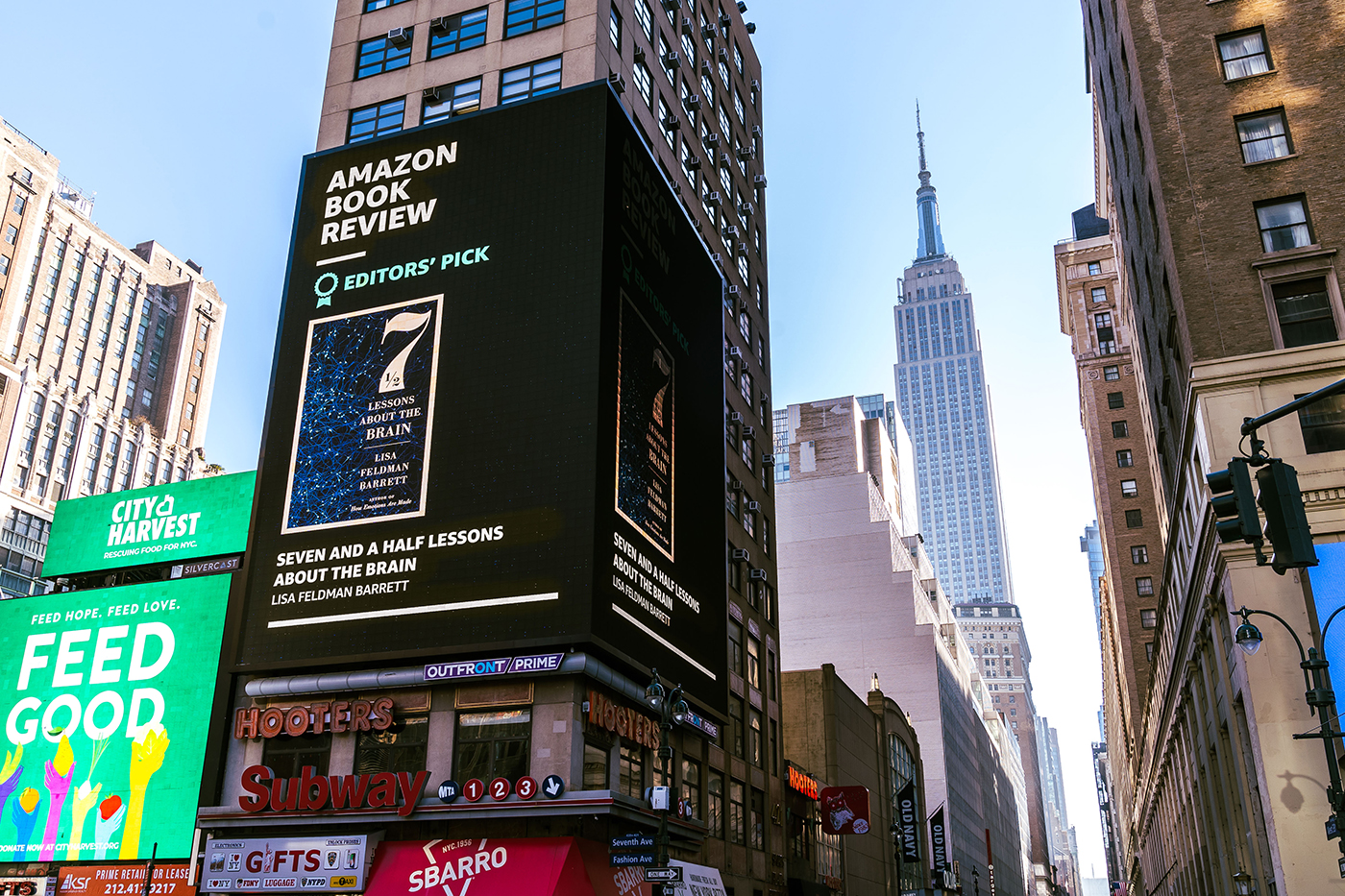
Your Brain Is the World’s Most Proficient Accountant. Here’s How.
Lisa Feldman Barrett, distinguished professor of psychology, has a new book out.
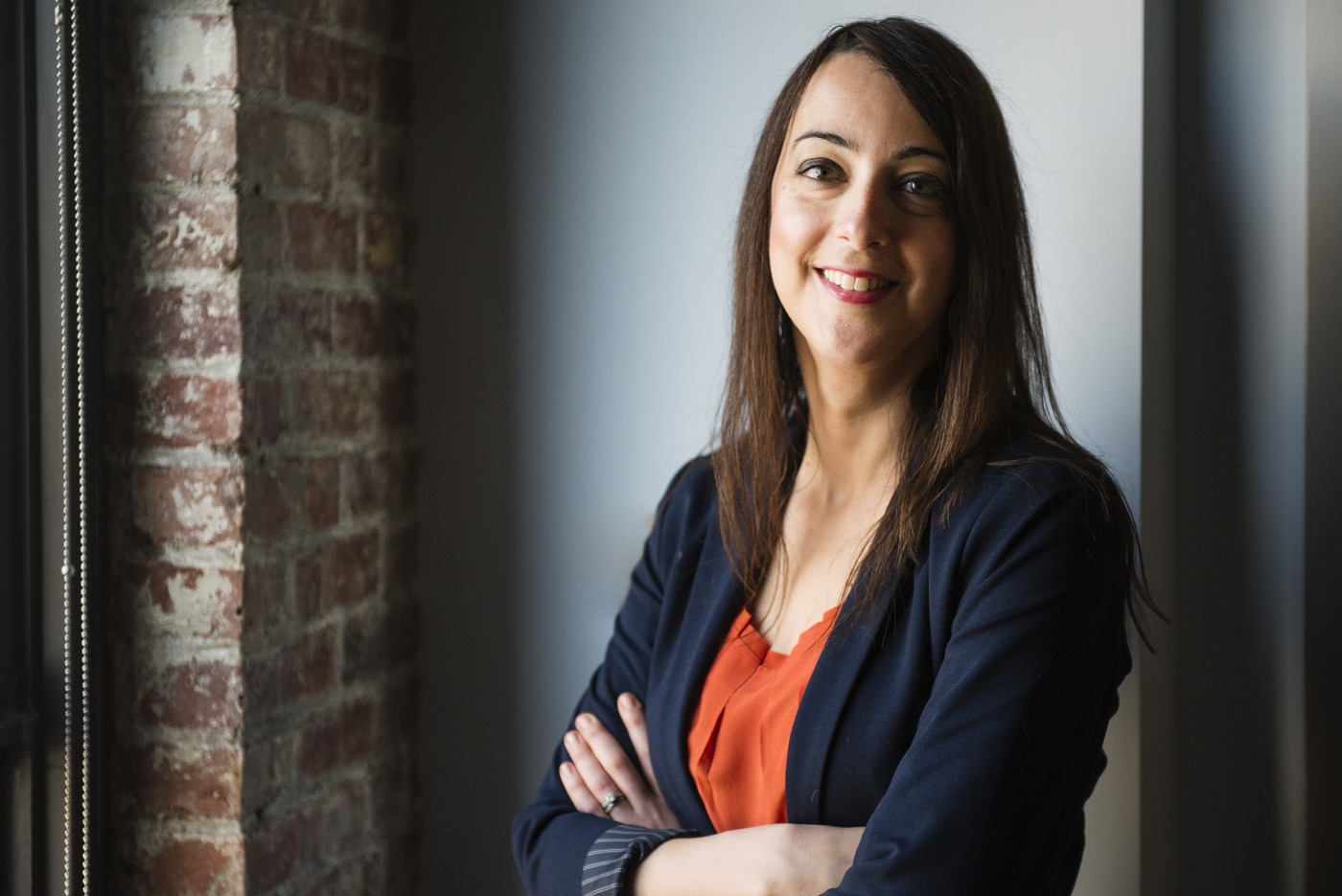
Faculty Research Talks: Sex Differences in Fearful Behavior with Rebecca Shansky
Hear from Hazel Sive, Dean of the College of Science, and Peter Bex, Chair of the Psychology Department, introduced Professor Shansky to speak about her revolutionary research in how sex affects brain structure and function.
Four Northeastern Researchers Named to 2020 List of ‘Highly Cited Researchers’
Each year, the researchers most cited by their peers are recognized for their achievements in science. This year the College of Science has four faculty with the distinction.
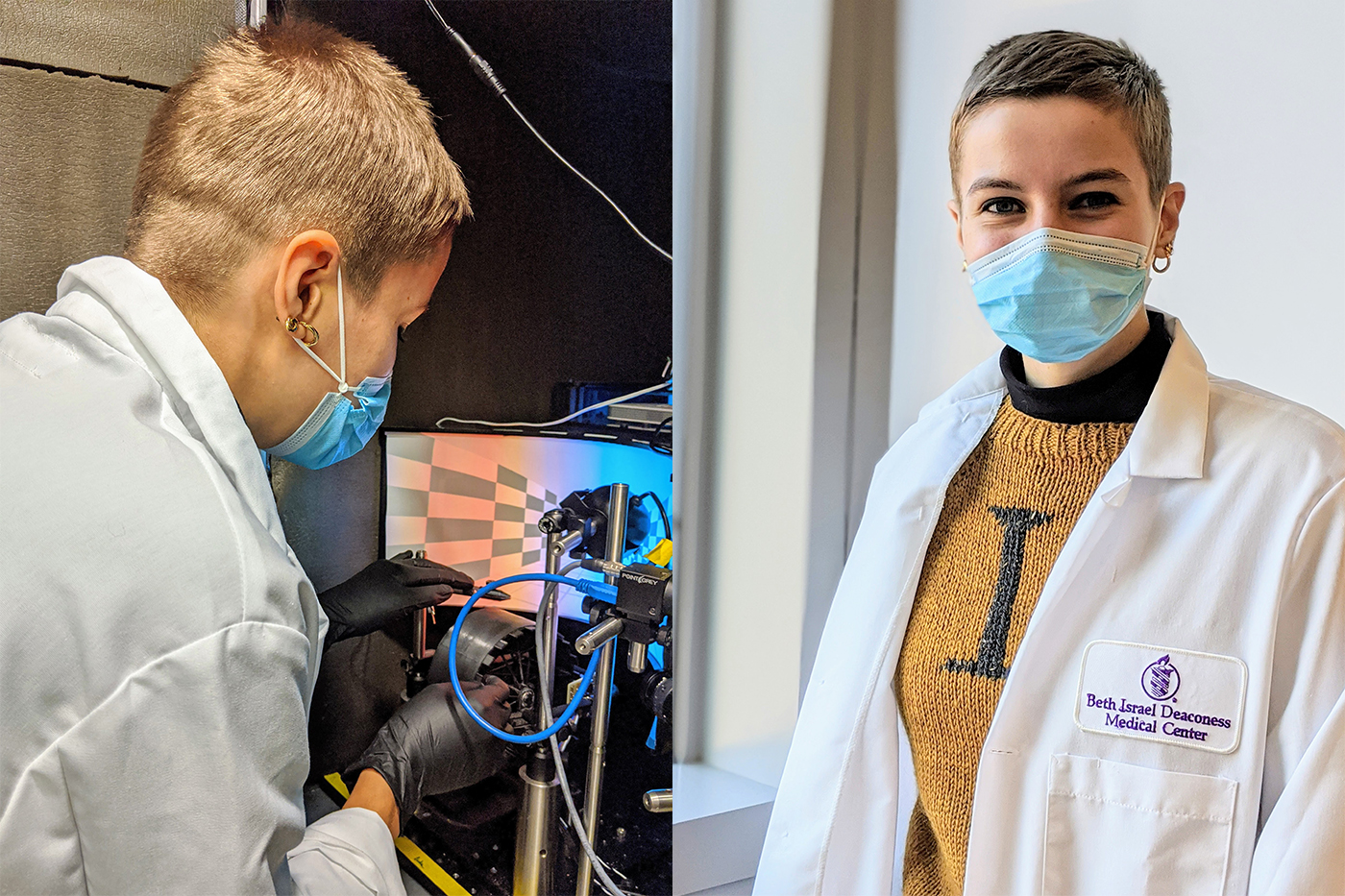
Co-op and COVID: Working at Beth Israel Deaconess Medical Center
Leilani is a fourth year behavioral neuroscience major at Northeastern, currently on her first co-op at Beth Israel. She was hired to be an assistant during behavior studies of mice, but like many students her co-op experience has been dramatically changed by the pandemic. We reached out to her to see what her experience is like, and how it is different from what she expected.

COS Alumna Gave Northeastern Medical Supplies When It Mattered Most
Hear from Bihe "Momo" Wang, a COS alumna who made an tremendous PPE donation in the early stages of the COVID-19 pandemic.
Picking up PhD Research After the COVID-19 Quarantine
A look back on Northeastern research during the COVID-19 pandemic.
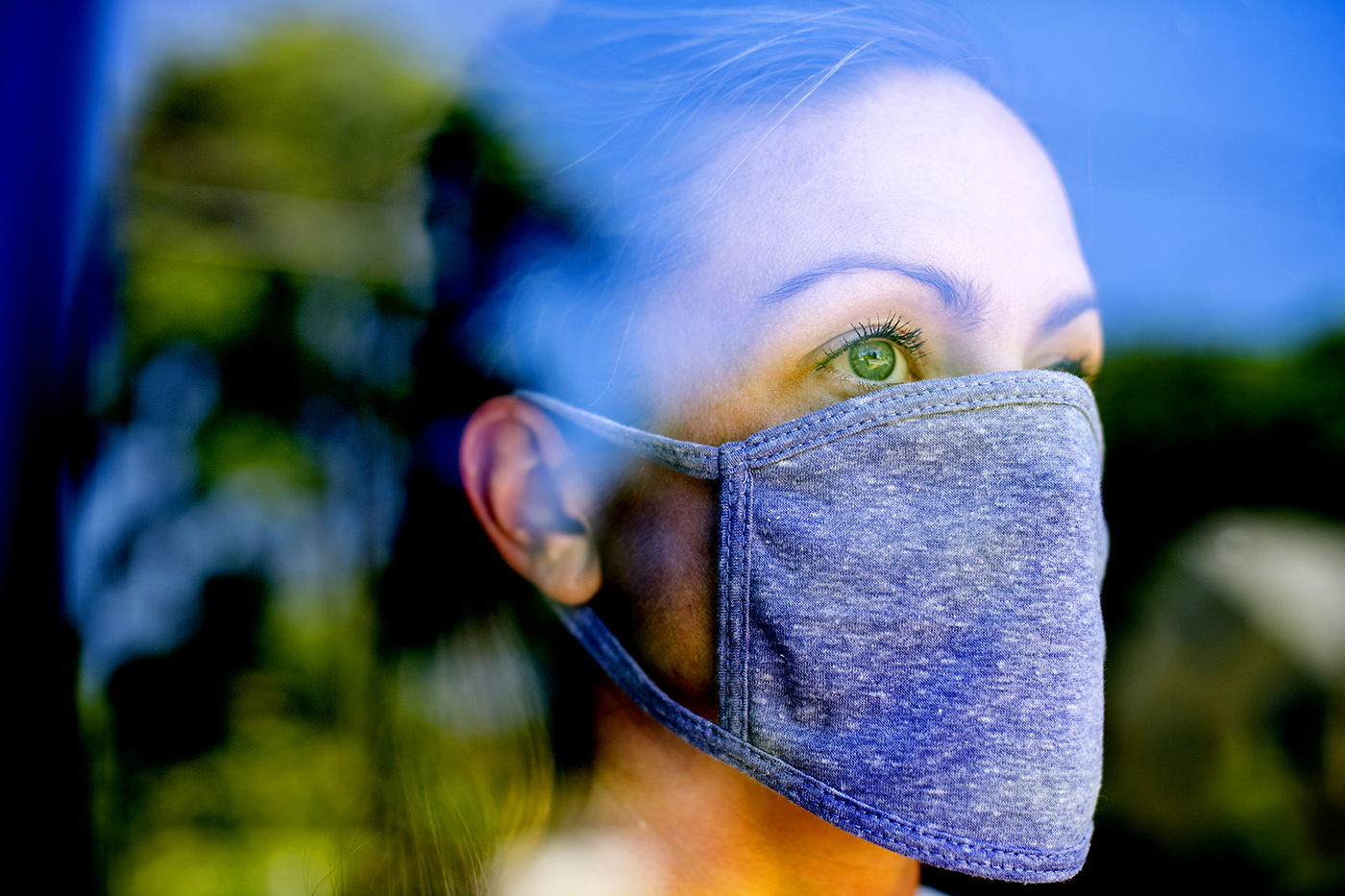
Covid-19 Misconceptions Are Hard To Fight. Cognitive Psychology Might Help.
There are plenty of misconceptions about COVID-19, the disease caused by the SARS-CoV-2 coronavirus. And that’s especially true during a time when false information about the disease, the virus, and possible treatments is so hard to counteract. Different misconceptions about the coronavirus—about how it gets transmitted, and how it leads to COVID-19 complications, for example—can result from a limited […]
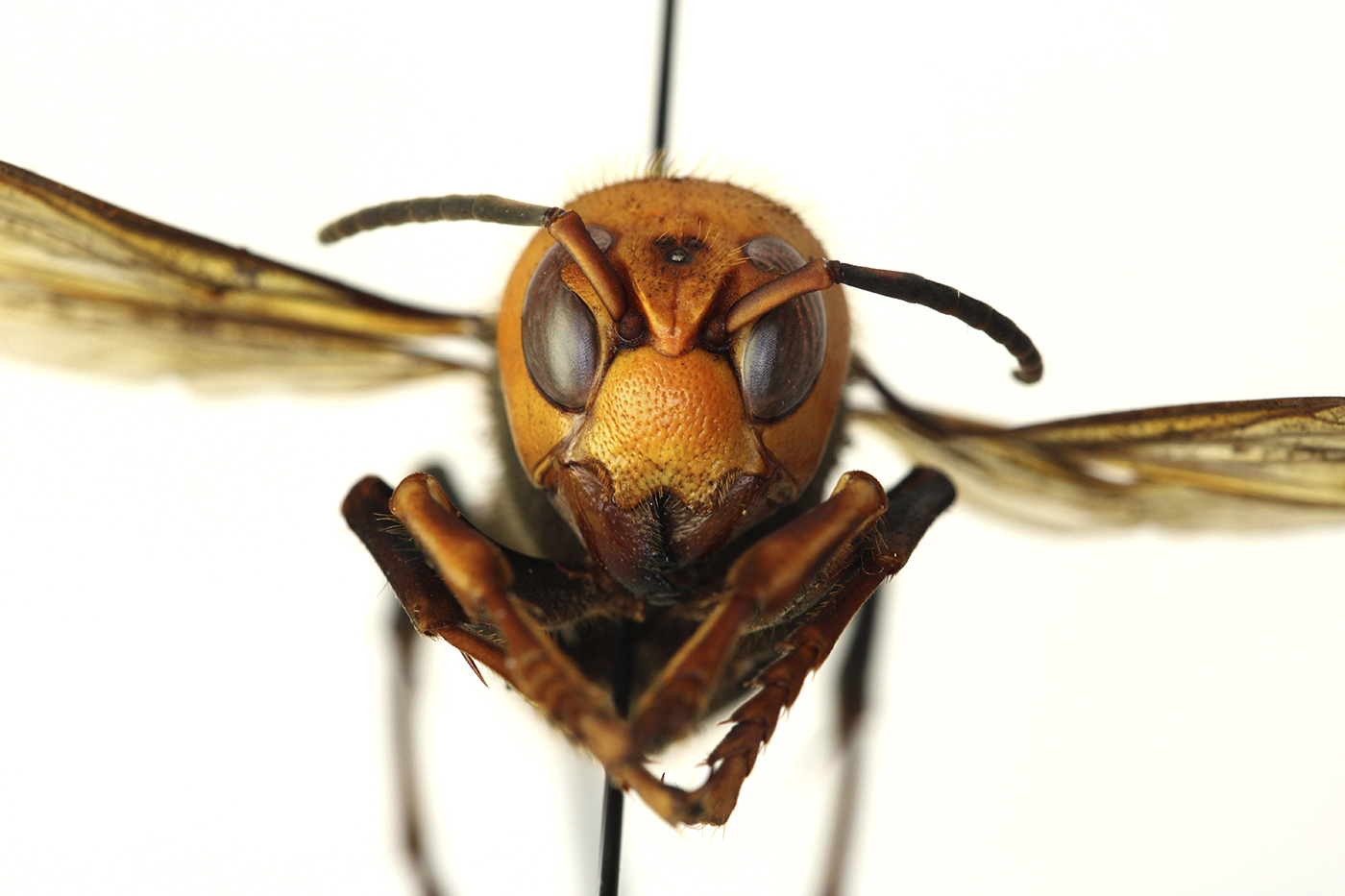
The ‘Murder Hornet’ Is Out to Get Bees, Not Humans. So Why Are People Still Freaking Out About It?
The arrival of the Asian giant hornet in the U.S. has sparked an outcry on social media, but entomologists say that people should not worry about the oversized wasps. Still, some people may be concerned, as the underlying nature of fear isn’t the same for everyone, says neuroscientist Ajay Satpute.