COS News
Research

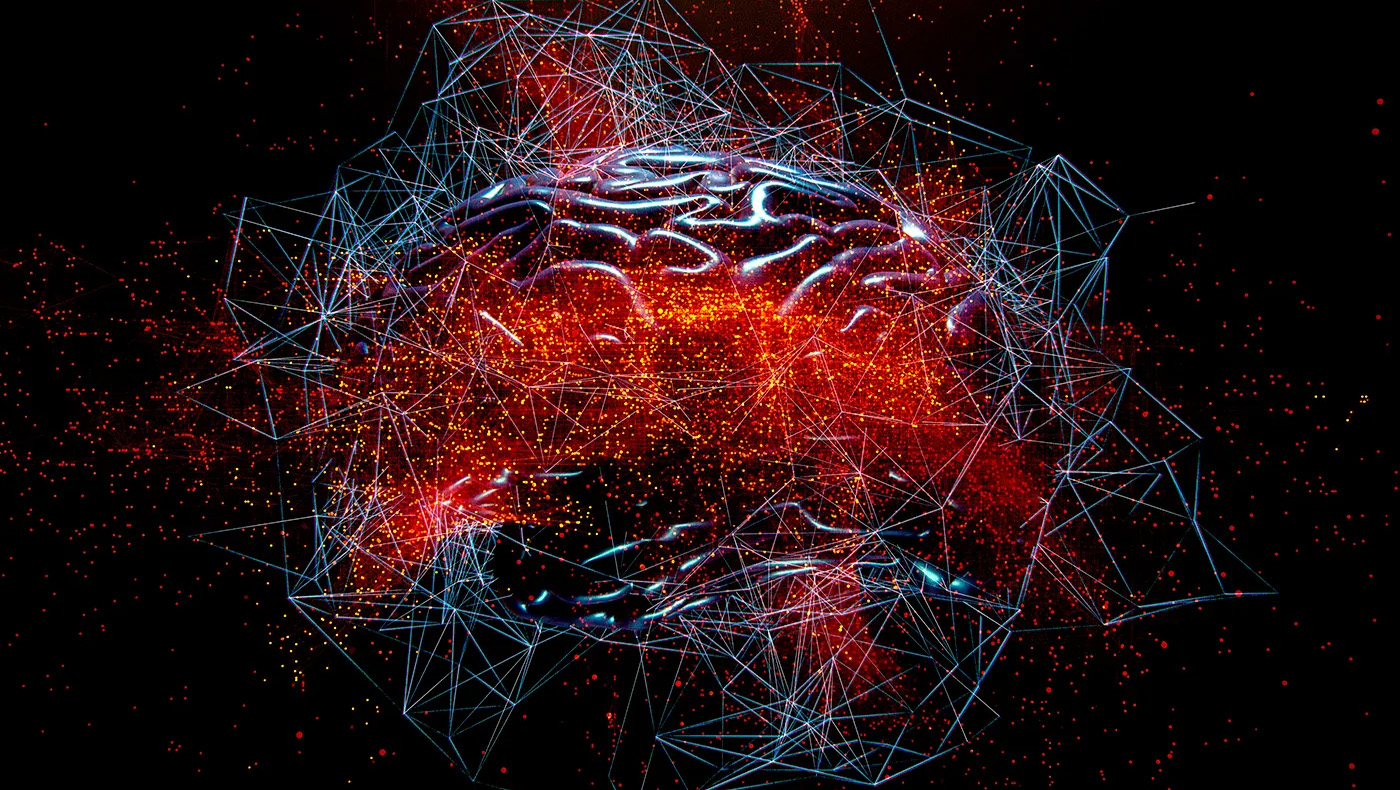
“The basic premise is that AI can help us do better physics, and something that is less expected is that physics can also help us understand AI better,” said Northeastern professor James Halverson.
AI and physics have more in common than you might think.
News
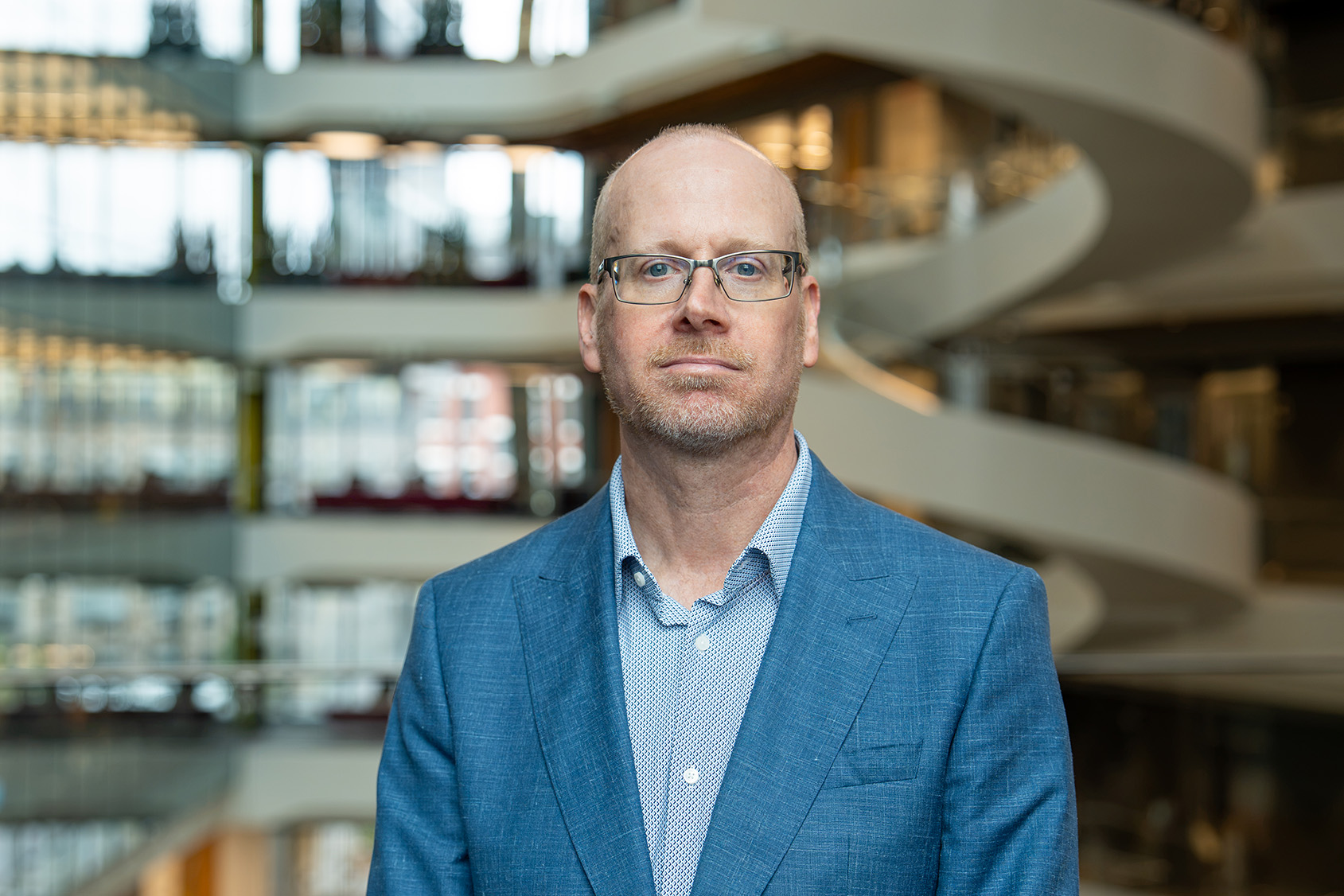
Mark Williams, Professor and Chair of the Department of Physics, will assume the role of Dean of the College of Science, effective July 1, 2026.
Mark C. Williams named Dean of the College of Science
Showing 201 results in Psychology

Tom Brady without football: A look at the psychology of a retiring athlete
Twenty-three seasons and seven Super Bowl rings later, quarterback Tom Brady is hanging up his jersey and donning civilian clothes. His retirement announcement on Wednesday comes a year after the 45-year-old football star initially said he was stepping away from the sport before committing again to what would be a final season with the Tampa Bay Buccaneers.
Research shows idea that mind and body are separate is natural — for neurotypical people
A new research paper by Northeastern professor Iris Berent demonstrates that the idea that the mind and body are separate and distinct rises naturally in people who are neurotypical and is not just the result of culture or environment.

Why do we like to get scared at the movies? Horror movies and the science of fear
It’s not a coincidence that horror has thrived, creatively and financially during tumultuous times. The films themselves might not always directly represent the anxieties and fears of the time, but audiences still find some kind of solace in seeing fear put on screen.

Getting ‘psyched’ to row in the Head of the Charles
As the Northeastern crew teams prepare for the Head of the Charles this weekend, Northeastern University professor Greyson Kimball weighs in on how psychology can get our rowers in sync for success.

Where are you really from? An incoming assistant professor explores the psychology of being biracial
Science Fellow in the psychology and applied psychology department Analia Albuja has dedicated her research career to understanding how racial and cultural labeling affects people who do not fall neatly into the categories society.

Why don’t children with obesity benefit instantly from exercise?
Kids of all body types are tested as Northeastern researchers discover why children with obesity are outliers in terms of the immediate cognitive benefits of exercise.
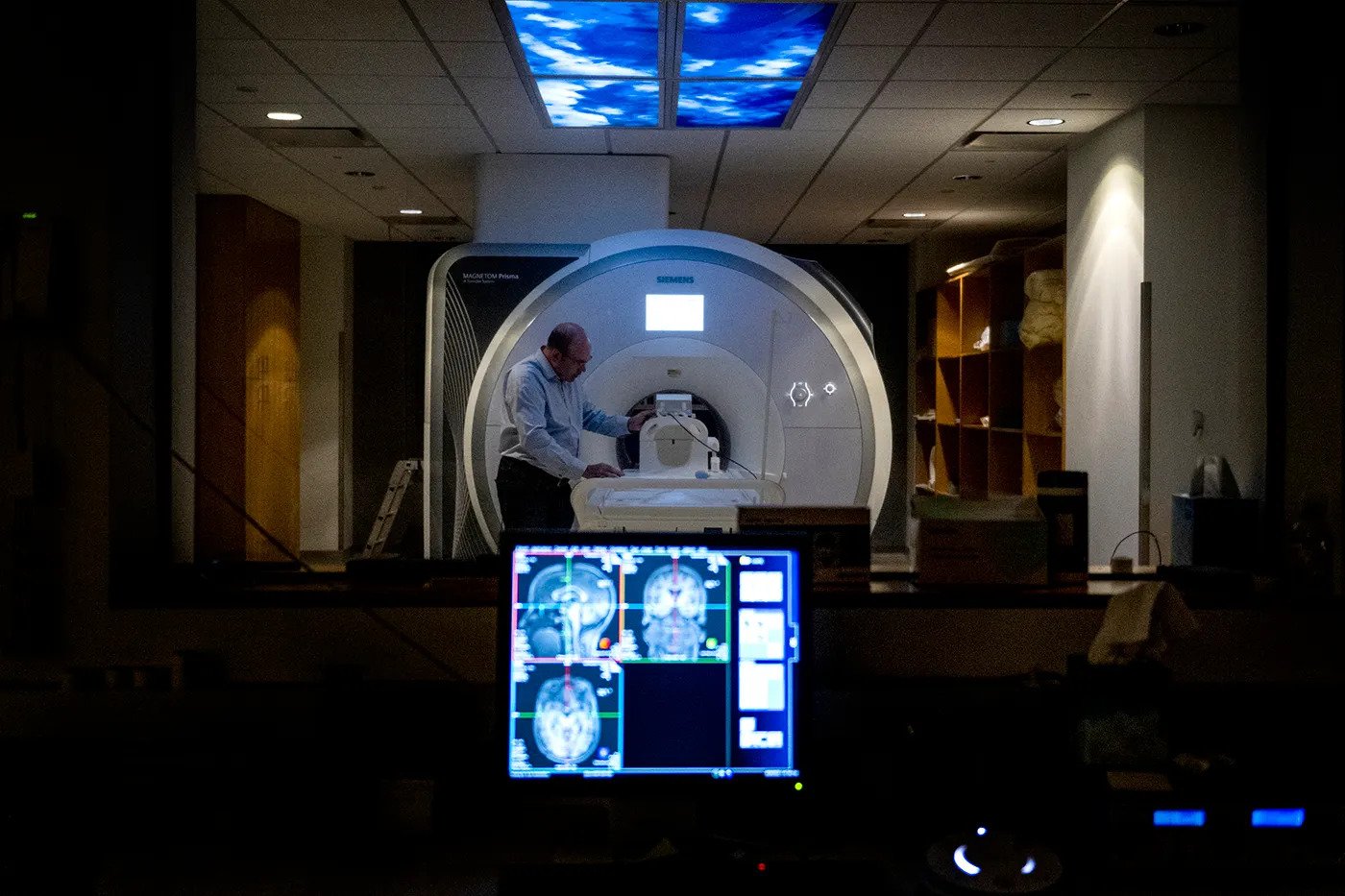
New Northeastern cognitive neuroscientist wants to improve your hearing—and brain function
Jonathan Peelle, one of Northeastern’s newest faculty members and cognitive neuroscientist has begun work in the Center for Cognitive and Brain Health.

Want to experience creative flow? Here’s how to change your perspective.
Writers, athletes, gamers—they’re all hoping to experience “the zone” where hard work comes easily and the most satisfying results are flowing.
That often mythical goal is the subject of a study by David Melnikoff, a Northeastern visiting research scholar in psychology, who has assembled a formula that can help people establish a sense of flow and achieve goals of all kinds.

Why is Netflix’s ‘Stranger Things’ so popular? It starts with Sigmund Freud.
Why have people fallen head-over-heels for “Stranger Things”? William Sharp, an associate teaching professor of psychology at Northeastern, has an idea–and it starts with Sigmund Freud.

The Science of Nostalgia: Why Audiences Can’t Get Enough of Star Wars, Top Gun and Stranger Things
Pop culture is full of instantly recognizable iconography, images and sounds that reach into our brains and pull us back in time. Hollywood has been mining the past for cinematic gold, increasingly relying on reboots, remakes and sequels. The latest Star Wars show, “Obi-Wan Kenobi,” the super-sized fourth season of ‘80s homage “Stranger Things,” and “Top...

Advancing Women in Science 2022 Scholars
Congratulations to the five undergraduate students who have been named 2022 Advancing Women in Science Scholars!
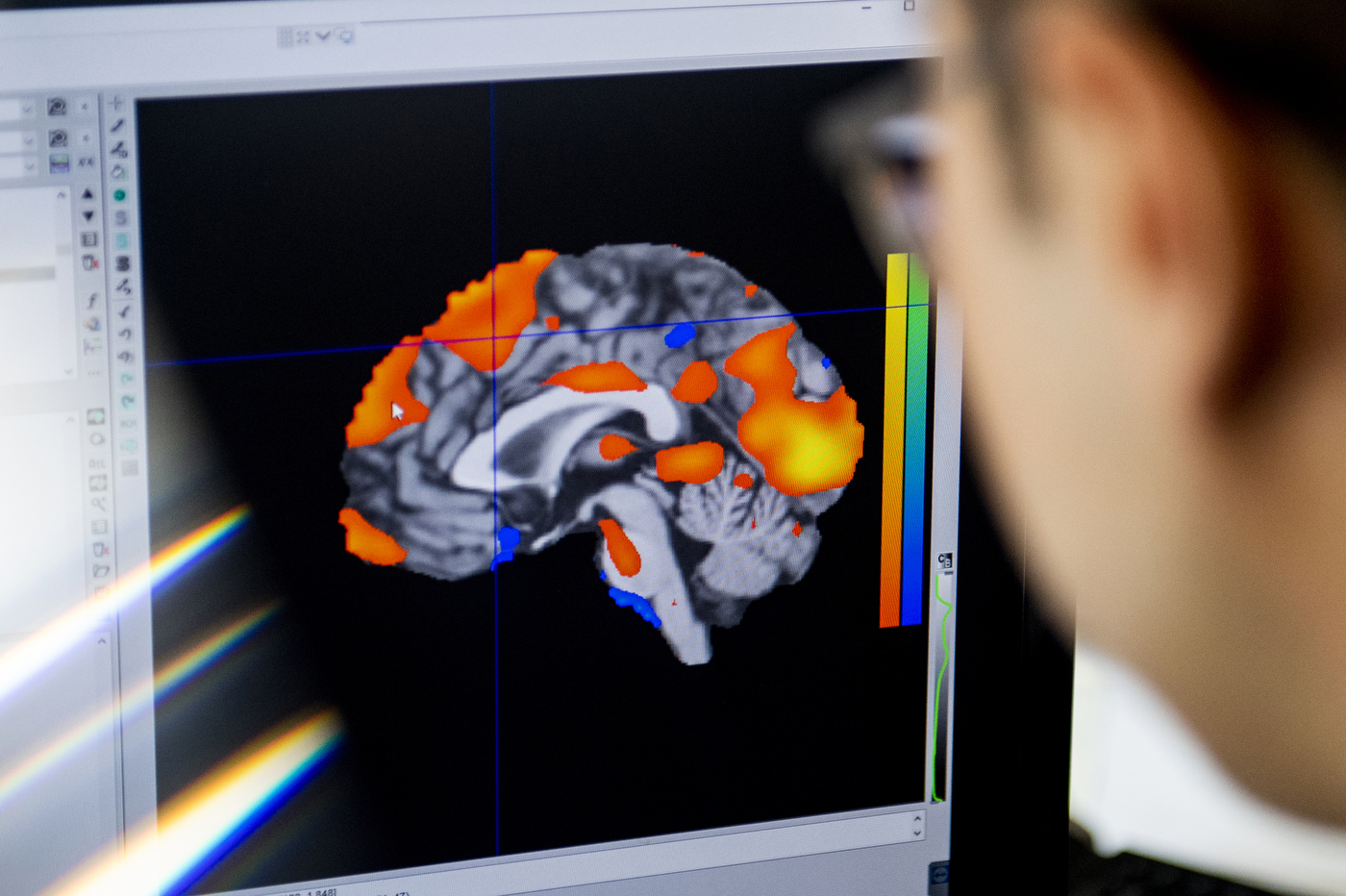
How do you know not to laugh at a funeral? This region of the brain is key.
The ability to evaluate your feelings can be an important tool for regulating your emotions. Northeastern researchers uncovered where this process happens in the brain in a new study.