COS News
Research

“The basic premise is that AI can help us do better physics, and something that is less expected is that physics can also help us understand AI better,” said Northeastern professor James Halverson.
AI and physics have more in common than you might think.
Research
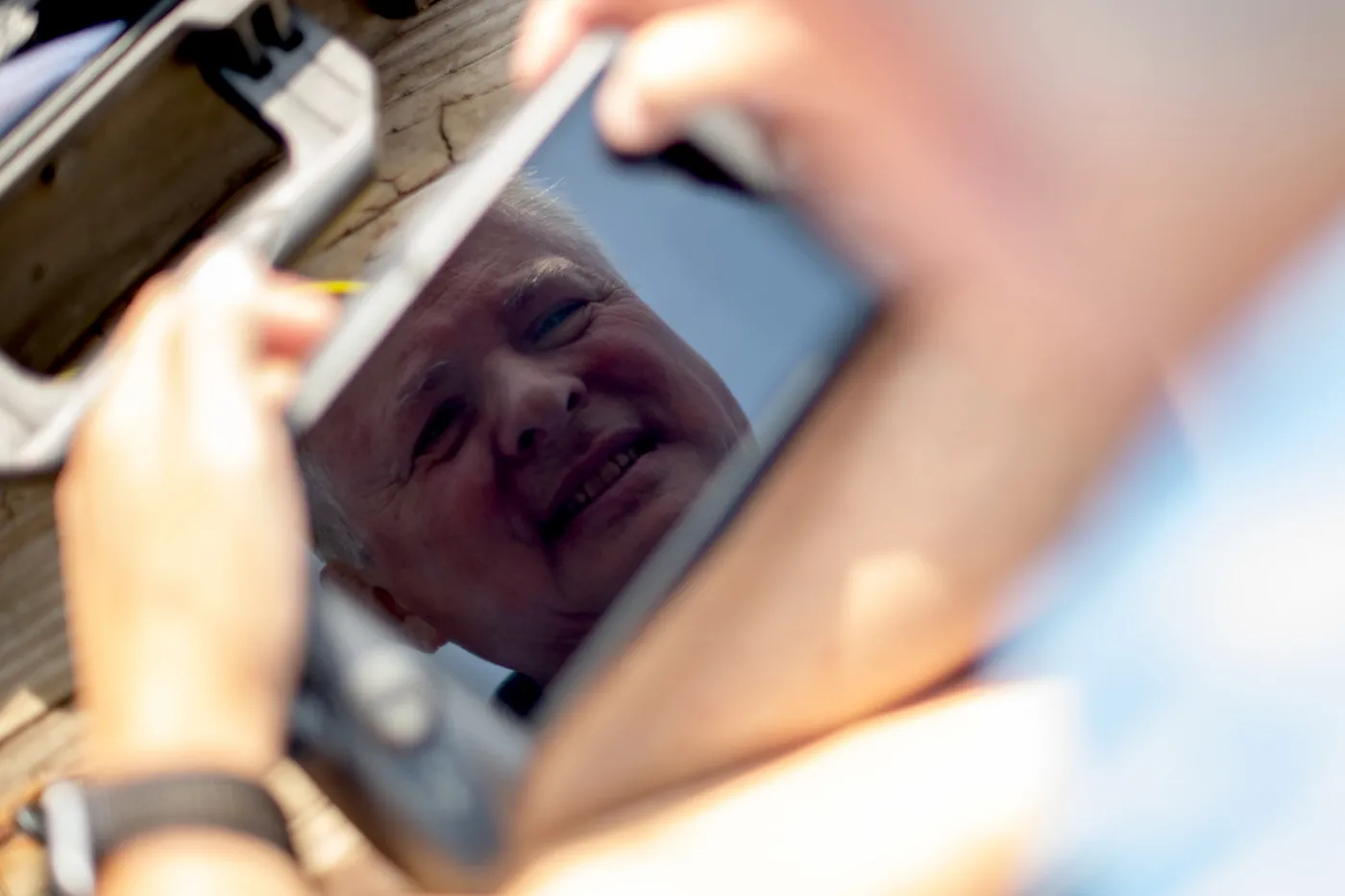
Formed by superheated glacial water from the last ice age, the hydrothermal vents Professor Mark Patterson studies have been bubbling beneath the fjord for centuries.
Professor receives Fulbright to explore one of the world’s most unique hydrothermal vents
Showing all results

How do you say microRNA in Spanish? Co-op student learns the lingo and lab procedures at bioscience startup in Argentina
Argentine startup seeking cures for osteoarthritis provides immersive lab experience for co-op.

This double Husky created her own co-op working on life-changing cancer therapies
CAR T-cell therapy can serve as a life saving treatment for blood cancers, but comes with complications. This master’s degree student’s research may help change that.
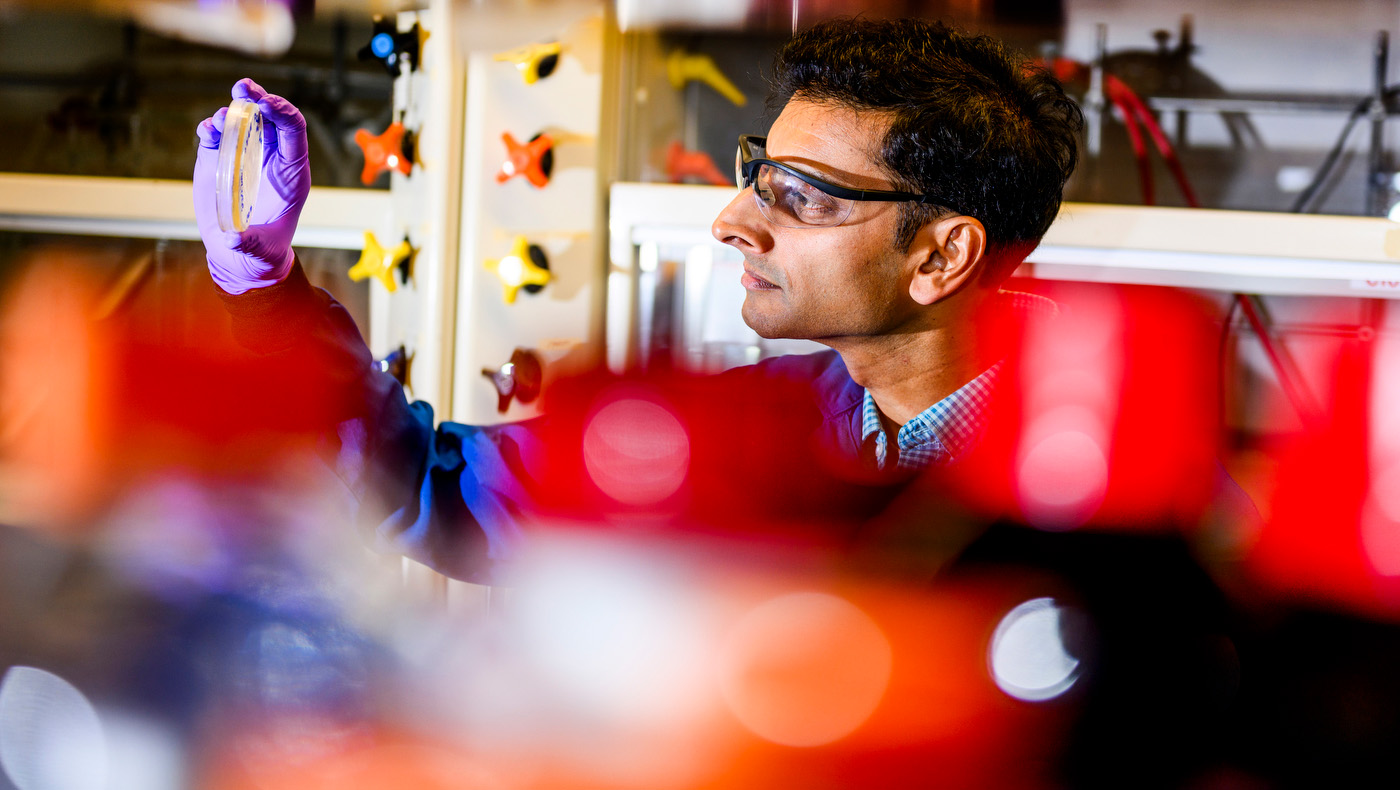
Want to build like biology? These researchers are bridging proteins between bacteria
Researchers Neel Joshi and Rong Chang have discovered a way to engineer E. coli cells to grow into new structures through direct, cell-to-cell contact.

Northeastern colleagues remember Phyllis Strauss, ‘tough, generous’ distinguished biology professor
Strauss, who passed away in September, served at Northeastern for 46 years and was among the first biology faculty members to bring in substantial federal research funding.

Astrophysicists say there’s ‘at least six other quasi-moons’ like 2025 PN7 in loose orbit around Earth
The much-discussed 2025 PN7, dubbed Earth’s “second moon,” is officially a quasi-moon, according to NASA.
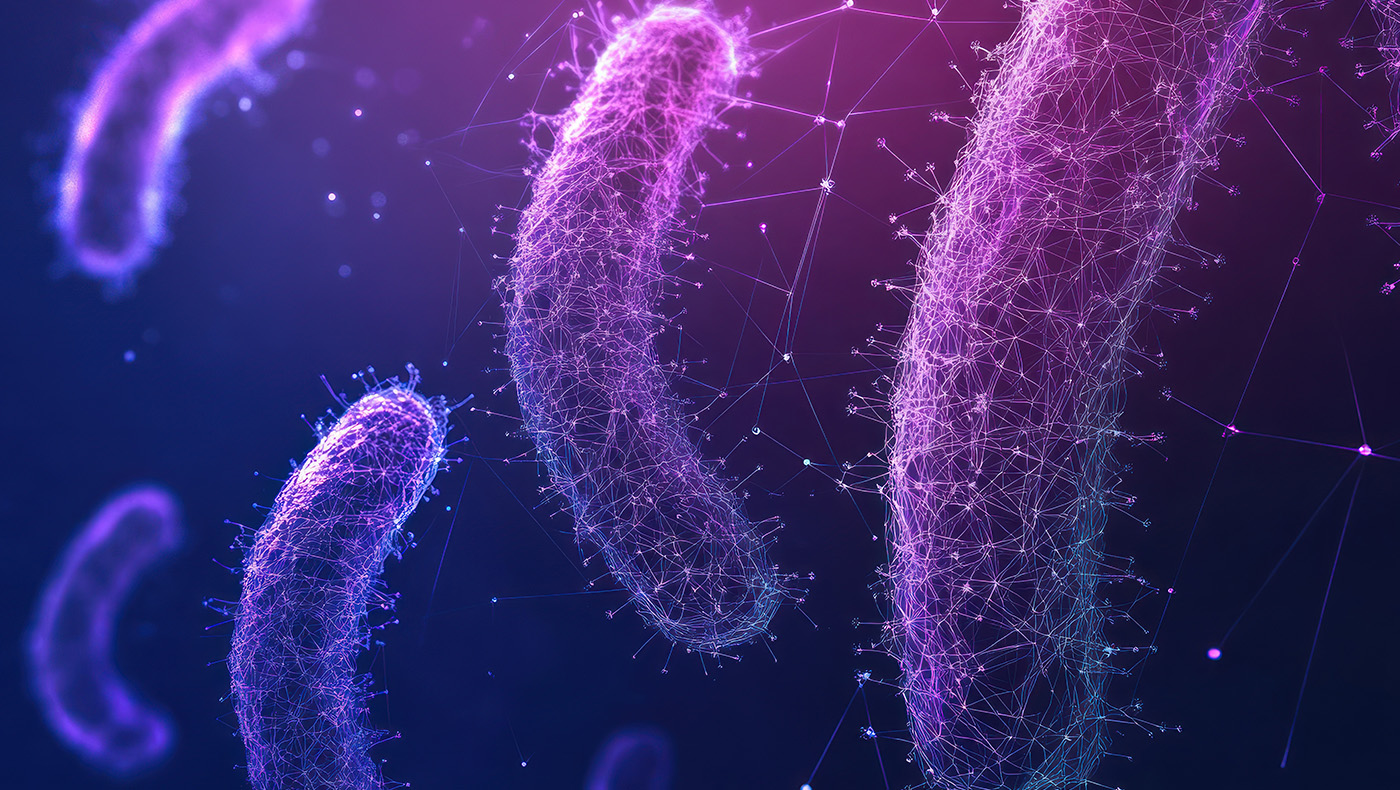
Designing the Future of Antibiotics with Generative AI: A Conversation with Wengong Jin
Assistant Professor and Barnett Institute Faculty Fellow Wengong Jin shares insight into his work on using generative AI to design Novel Antibiotics.
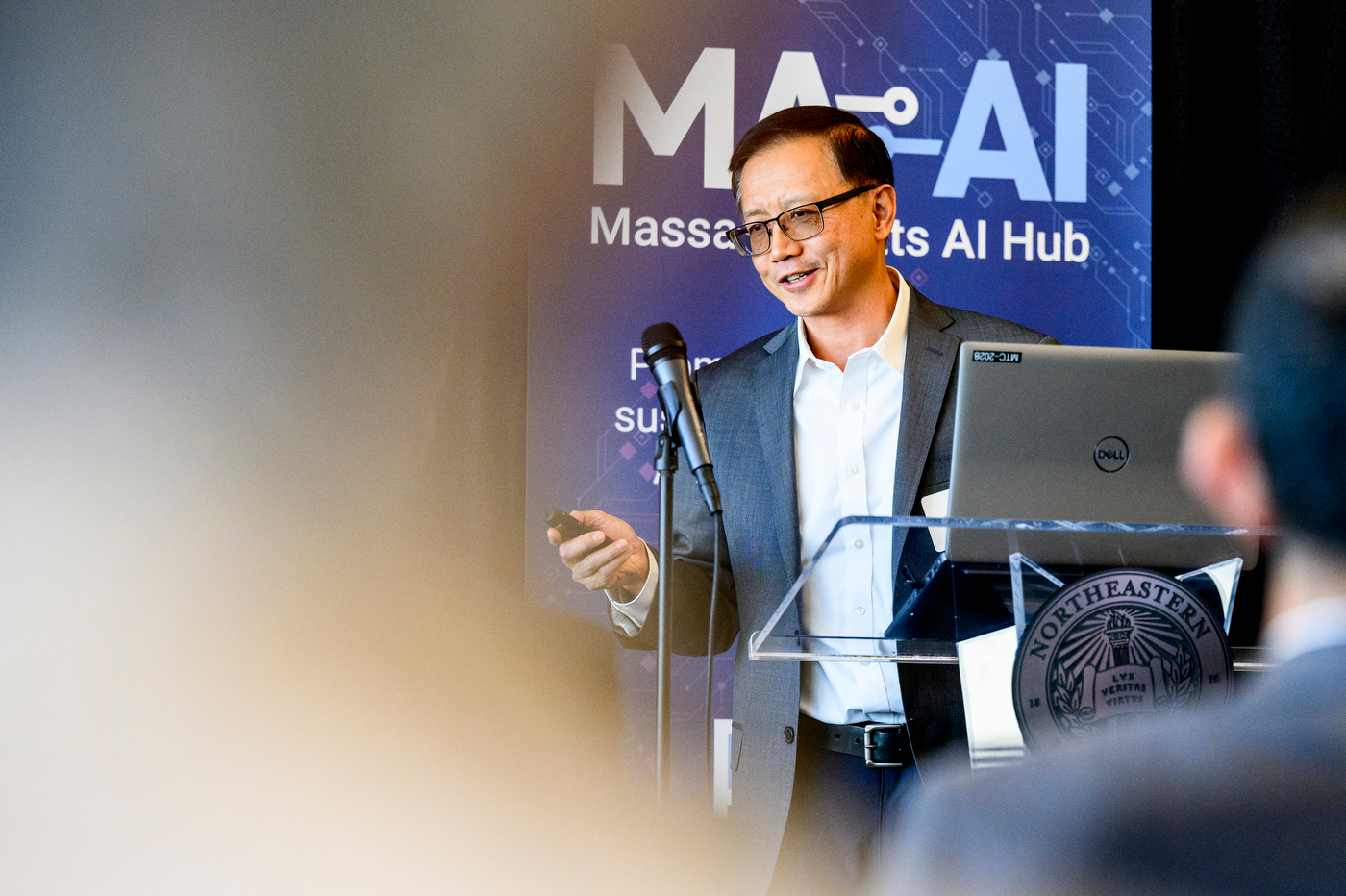
From coastal resilience to streamlining product development, Northeastern researchers are the state’s AI innovators
Northeastern University professor Jim Chen is one of the winners of the Massachusetts AI Hub’s AI Models Innovation Challenge.
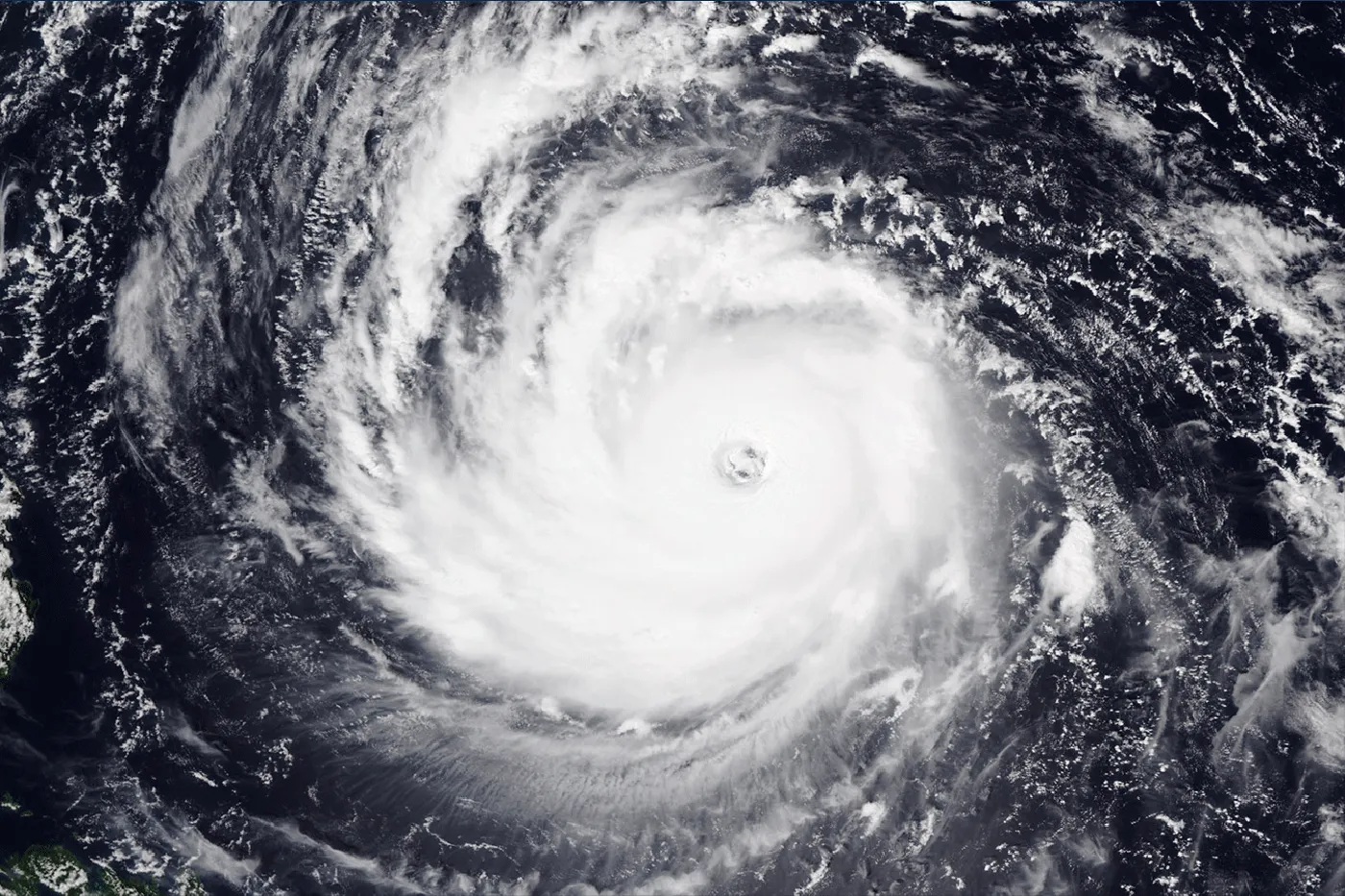
What to expect from La Niña this winter
Will La Niña bring more snow or rain to your region this winter?
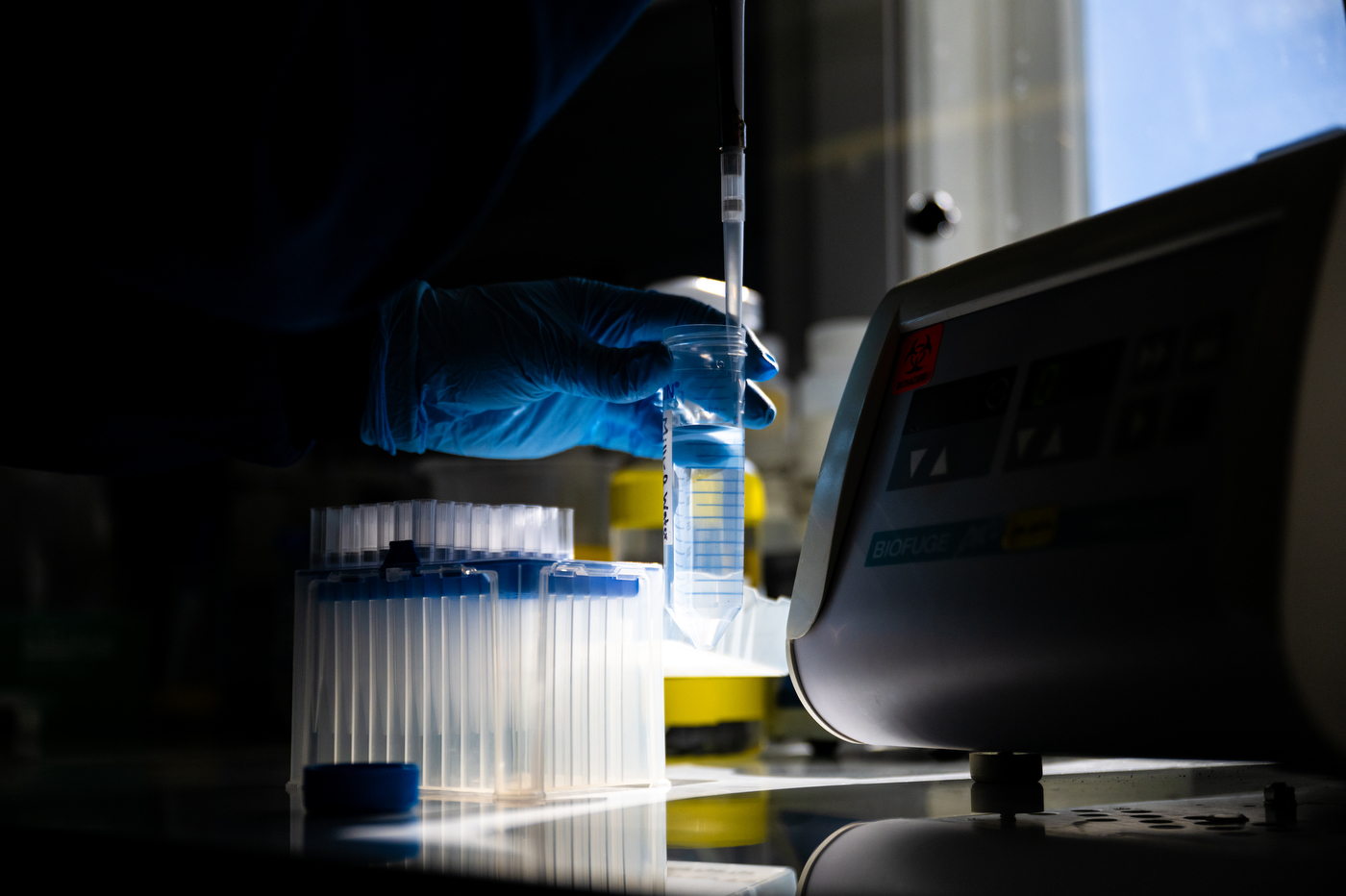
Preserving biological specimens for DNA analysis just got easier
How a Northeastern professor and undergraduate students discovered a safe, inexpensive method to preserve DNA in the lab
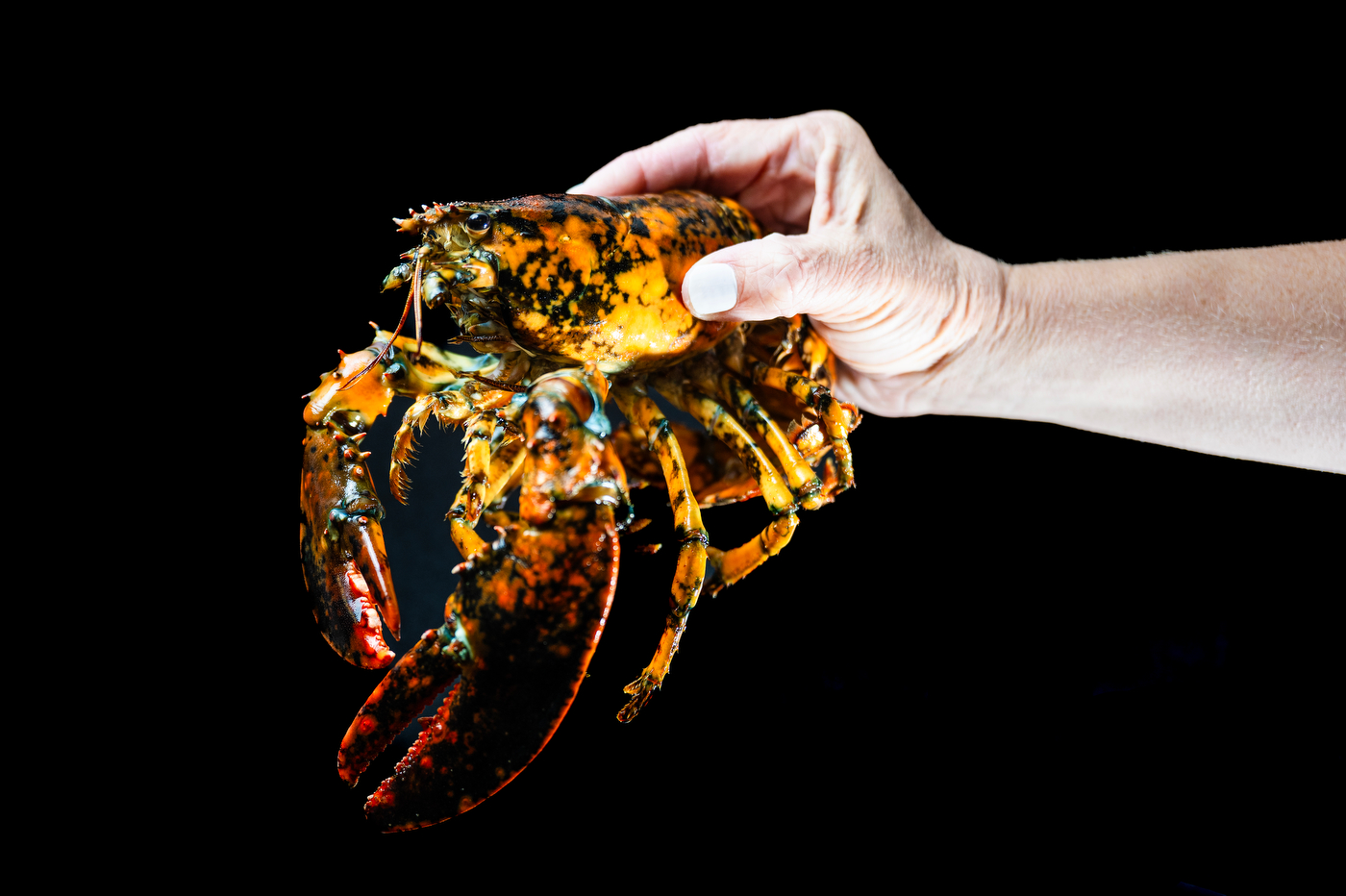
Rare calico lobster makes a splash at Nahant
Meet Jackie—a one-in-30 million lobster and the new superstar at Northeastern’s Marine Science Center.

The Antarctic Ocean of the last ice age has stories to tell about a warming planet
New research describes how a critical process of carbon dioxide storage in the Southern Ocean slowed during the last deglaciation, and how it could be happening again.

Why Annabelle, Chucky and dolls in general creep us out
Do you know what that doll is doing when your back is turned? Northeastern University experts explain the ‘uncanny valley’ effect.