COS News
Research
“The basic premise is that AI can help us do better physics, and something that is less expected is that physics can also help us understand AI better,” said Northeastern professor James Halverson.
AI and physics have more in common than you might think.
Research
Formed by superheated glacial water from the last ice age, the hydrothermal vents Professor Mark Patterson studies have been bubbling beneath the fjord for centuries.
Professor receives Fulbright to explore one of the world’s most unique hydrothermal vents
Showing 234 results in Physics
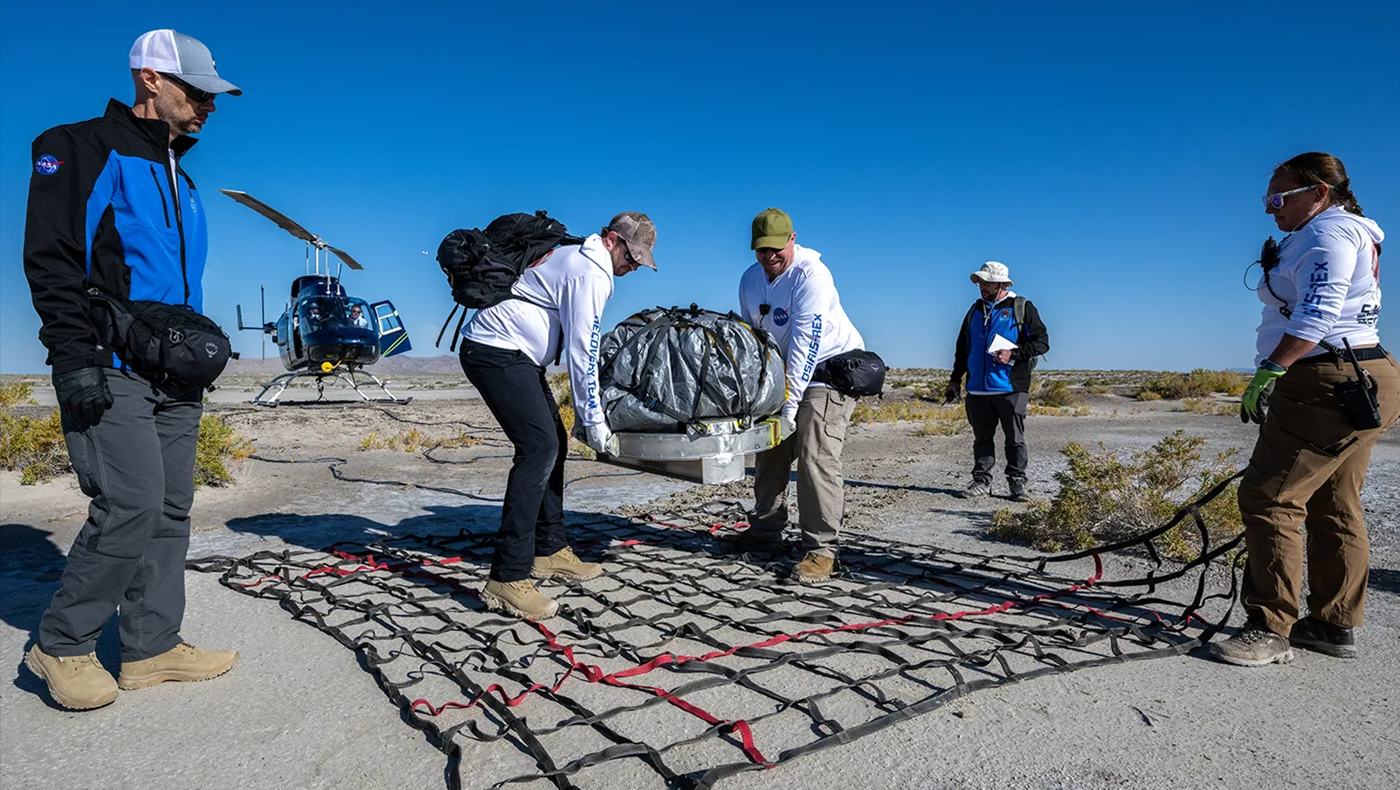
Rock and dust from asteroid Bennu offers unprecedented opportunity to study origins of the solar system, cosmologist says
The recovery of 8.8 ounces of rock and dust from the asteroid Bennu on Sunday is a scientific game changer, says Northeastern physics professor and cosmologist Jacqueline McCleary.

Miss looking up and seeing stars? Light pollution is becoming more and more of a problem, expert says
Look up in the night sky and what do you see? Probably a whole lot of light — and not from celestial bodies.
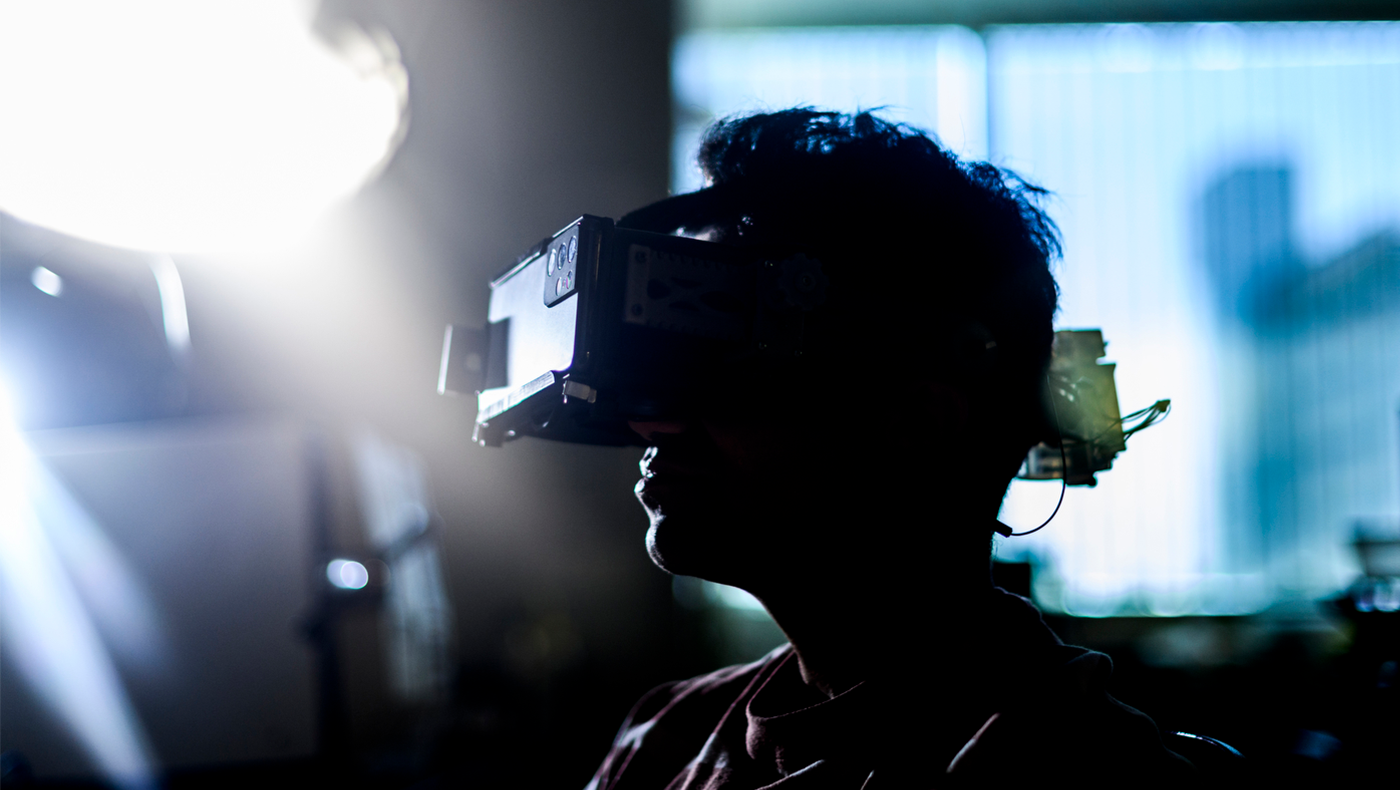
These goggles scan your brain to detect neurological and vision function loss
It combines a smartphone in a virtual reality headset with a brain sensor and plays podcasts.

Northeastern receives $17.5 million from CDC to launch infectious disease prediction center
The Centers for Disease Control and Prevention is giving Northeastern University $17.5 million over the next five years to head an innovation center designed to help detect and prepare the United States for the next outbreak of infectious disease, especially in rural areas.
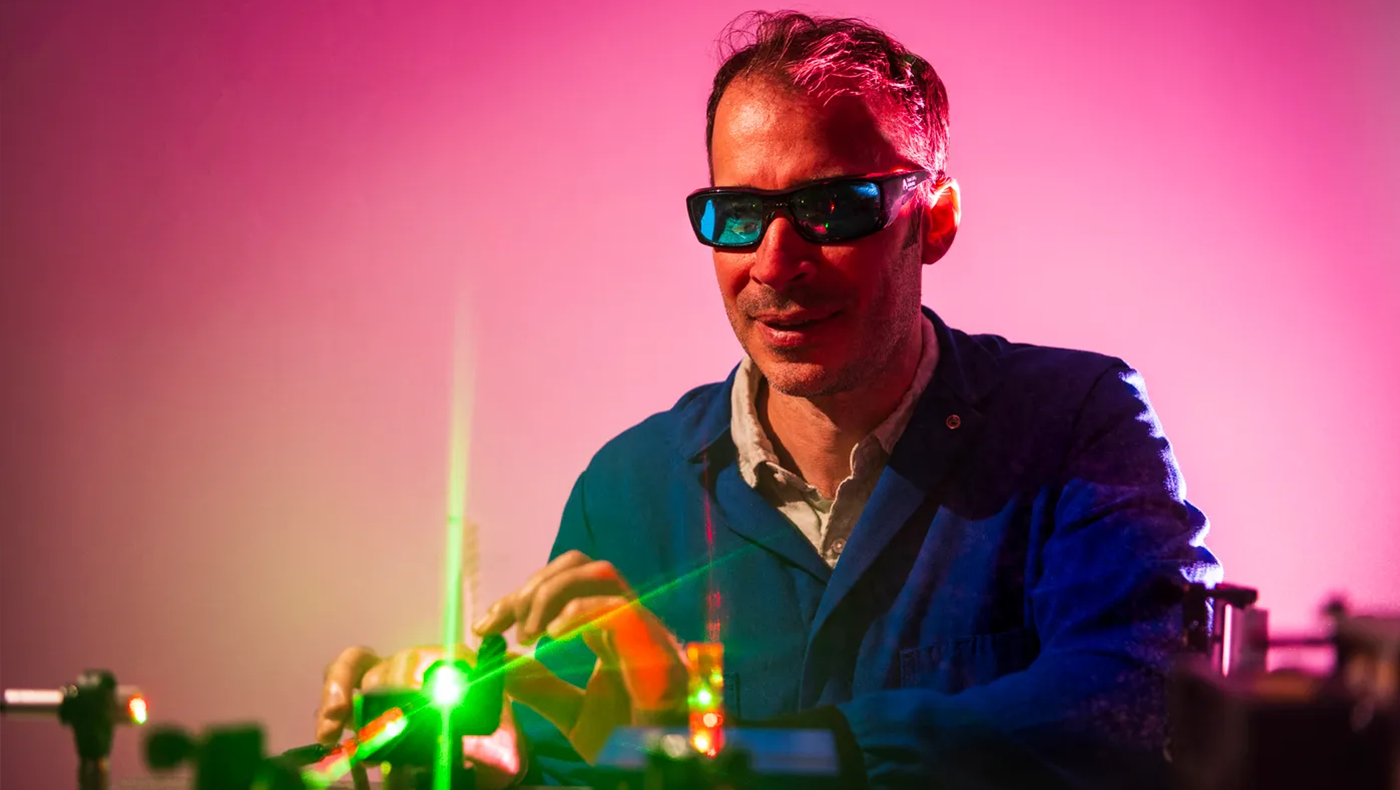
New laser treatment for ovarian cancer gets $2.7 million development grant
A biomedical physics lab at Northeastern has received a $2.7 million grant to develop a new treatment for ovarian cancer that will use lasers to spot and target chemo-resistant cancer cells and boost a patient’s immune system.
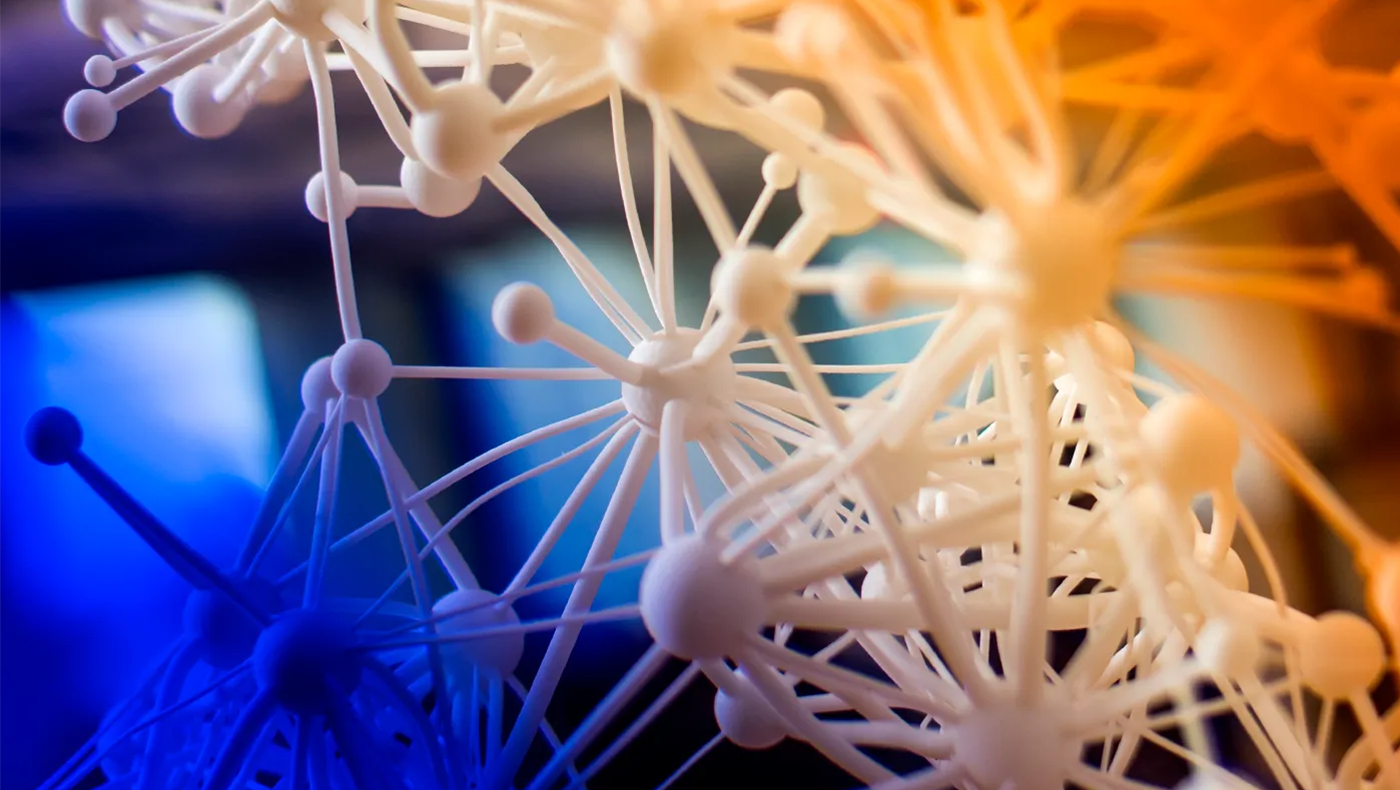
NSF grant will help bring methods of network science to the world of solid materials, establishing new multi-university center
Northeastern will soon embark on a collaborative project to bring the methods of network science to the world of small particles and novel materials, with help from a substantial National Science Foundation grant.
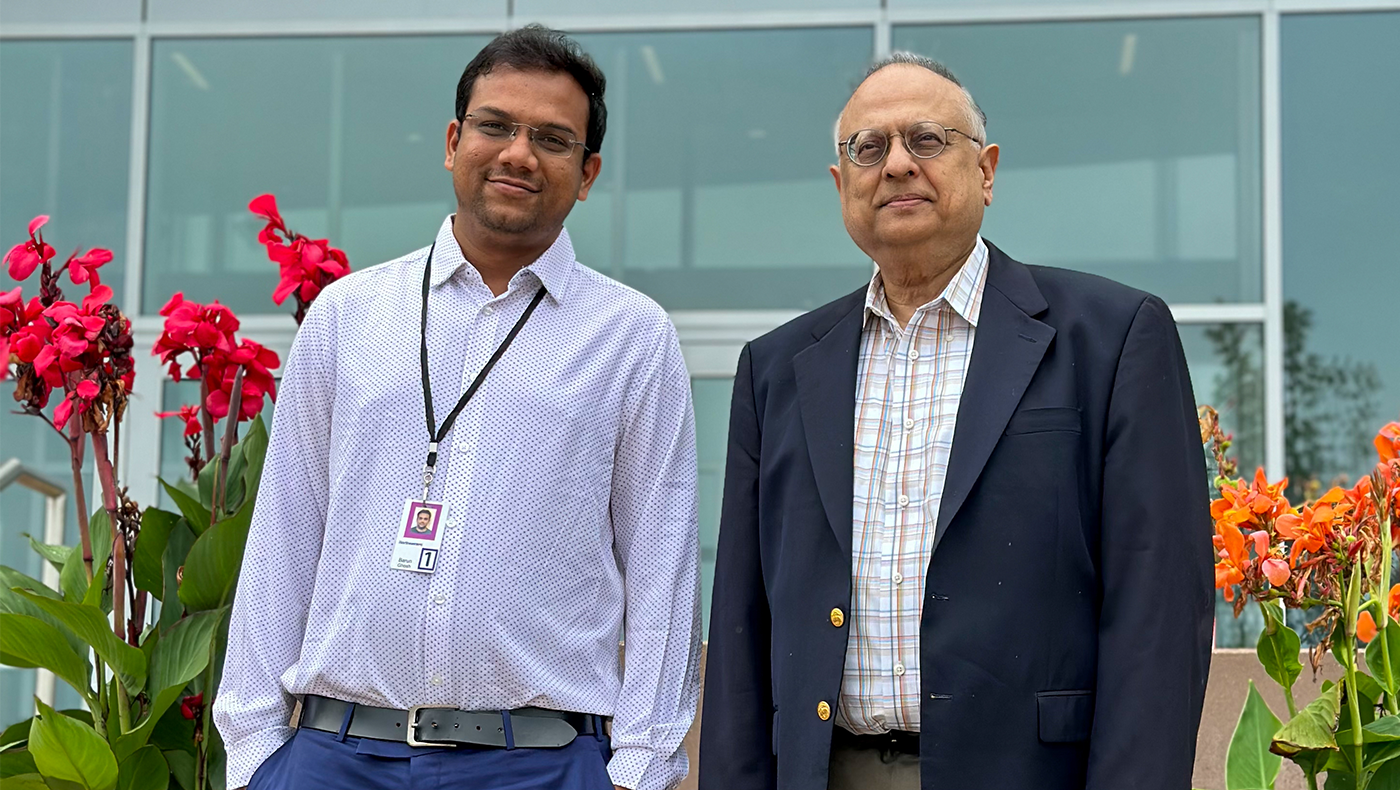
Northeastern’s Department of Physics is spearheading the discovery of revolutionary phenomena in quantum materials
At the intersection of quantum materials and revolutionary technological applications, two Northeastern community members’ latest contribution to "Science" unveils the phenomenon of a new type of nonlinear Hall effect—a discovery with tantalizing implications for our future. Postdoctoral Research Associate Barun Ghosh and University Distinguished Professor Arun Bansil of Northeastern's Department of Physics were recently published in this widely respected and reputable academic journal for their research article, “Quantum metric nonlinear Hall effect in a topological antiferromagnetic heterostructure.”

What is a blue supermoon and how rare is the Aug. 30 event?
There’s a blue supermoon in the astronomical forecast for Wednesday, Aug. 30.
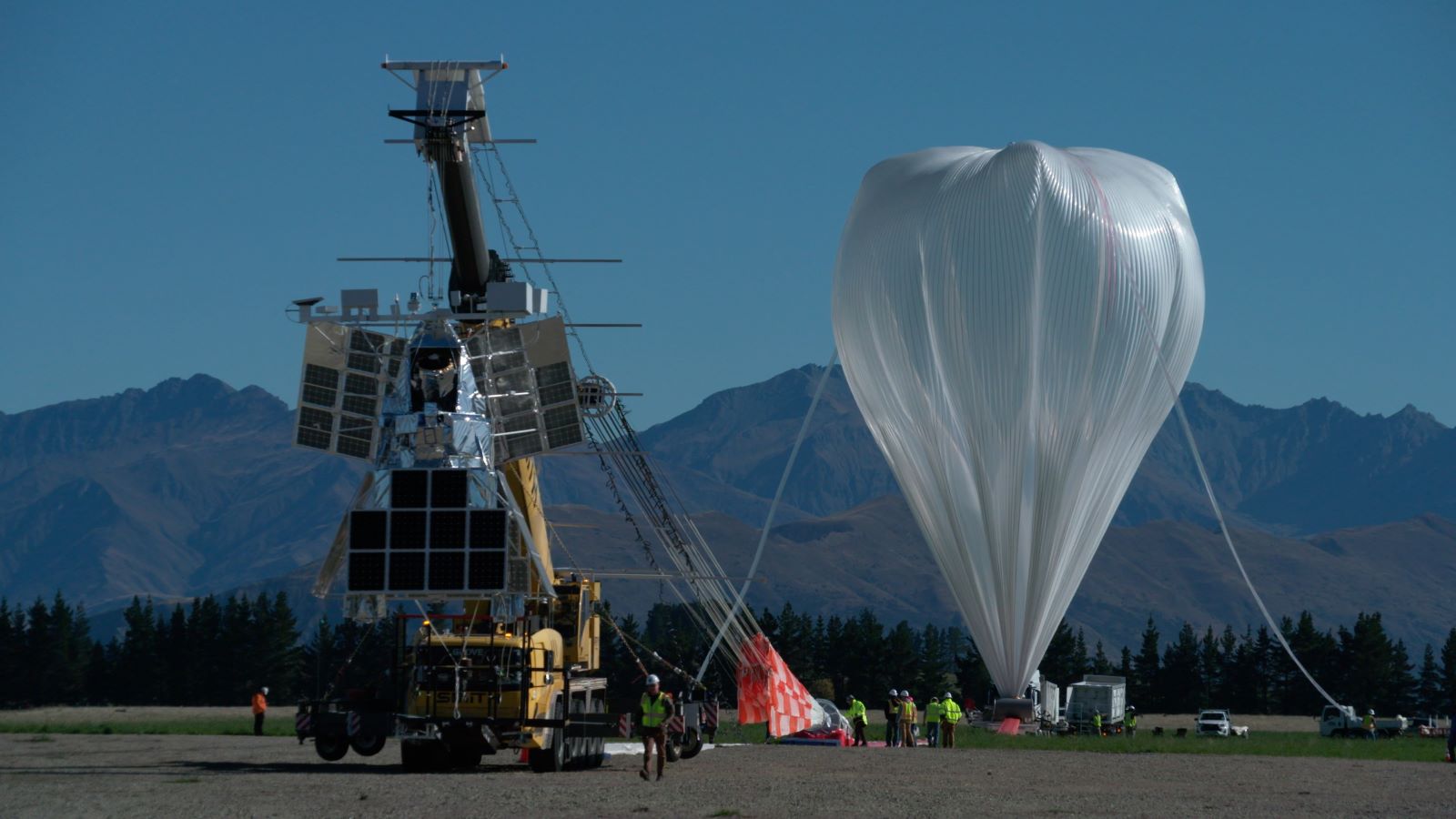
Meet Northeastern’s new astrophysics professors who hope to shed light on dark matter and dark energy
Astronomers are pulling out all the stops: A telescope tethered to a football-stadium-sized balloon, a camera the size of an SUV and twice as heavy nestled in the Chilean mountains, a tiny blue cube filled with chilled liquid argon sitting in a Northeastern lab destined for balloon flights. And, of course, the James Webb Space Telescope.
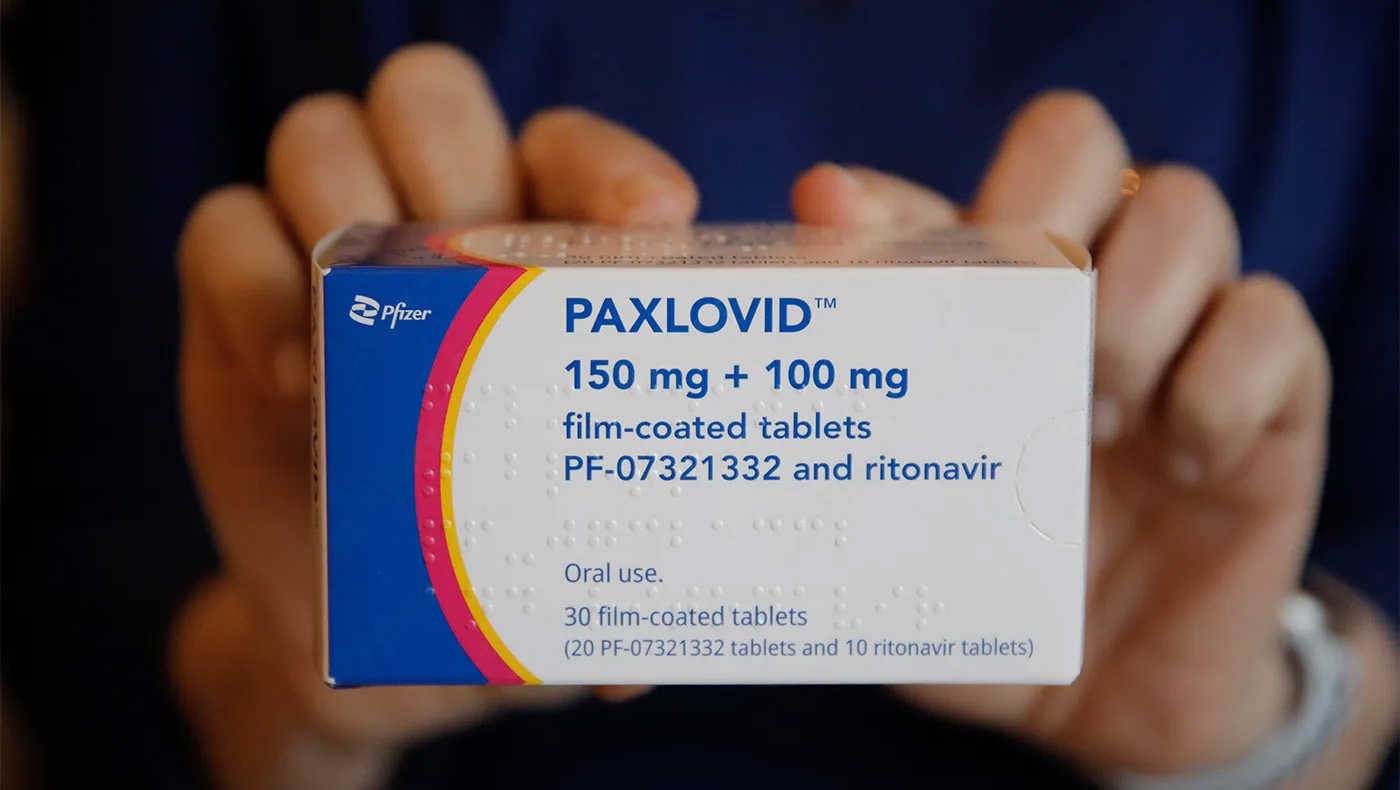
Long COVID clinical trials a step in the right direction, but scale doesn’t match the need, researchers say
“There is now a shift of acknowledging it’s not in people’s heads. And that’s progress,” says Kostka, director of the Observational Health Data Sciences and Informatics (OHDSI) at Northeastern’s Roux Institute.

Crashed UFOs? Non-human ‘biologics’? Professor asks: Where’s the evidence?
Congressional testimony this week about reverse engineering from crashed UFOs and the recovery of non-human “biologics” sounds like science fiction.
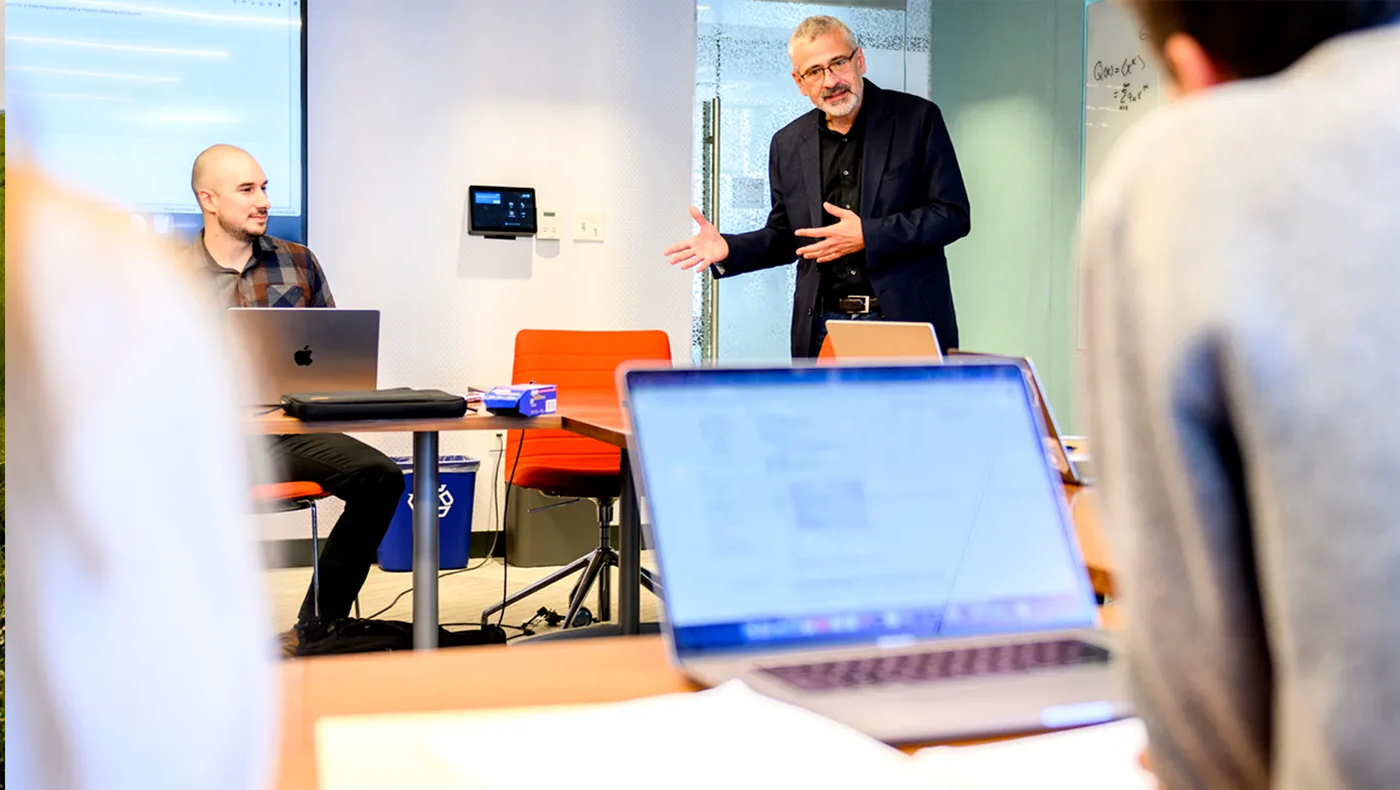
Network Science Institute expansion to London creates new European hub for trail blazing academic field
Northeastern University has expanded its world leading Network Science Institute to the university’s campus in London in a move that will establish a new European hub in the fast-growing research field of network science. As part of the expansion, the university has recruited a team of researchers to join its faculty in the United Kingdom....