COS News
News

A new report from a group of Northeastern researchers explores across disciplines how biotech can ensure safe, sustainable life beyond Earth.
The key to international space cooperation is developments in biotechnology, Northeastern researchers say
News

The NeuroPRISM lab, led by assistant psychology professor Stephanie Noble, makes tools that pave the way for reliable and reproducible neuroimaging of the brain.
Precise maps of the brain’s deepest corners are made possible through tools developed by these Northeastern researchers
Showing 194 results in Psychology
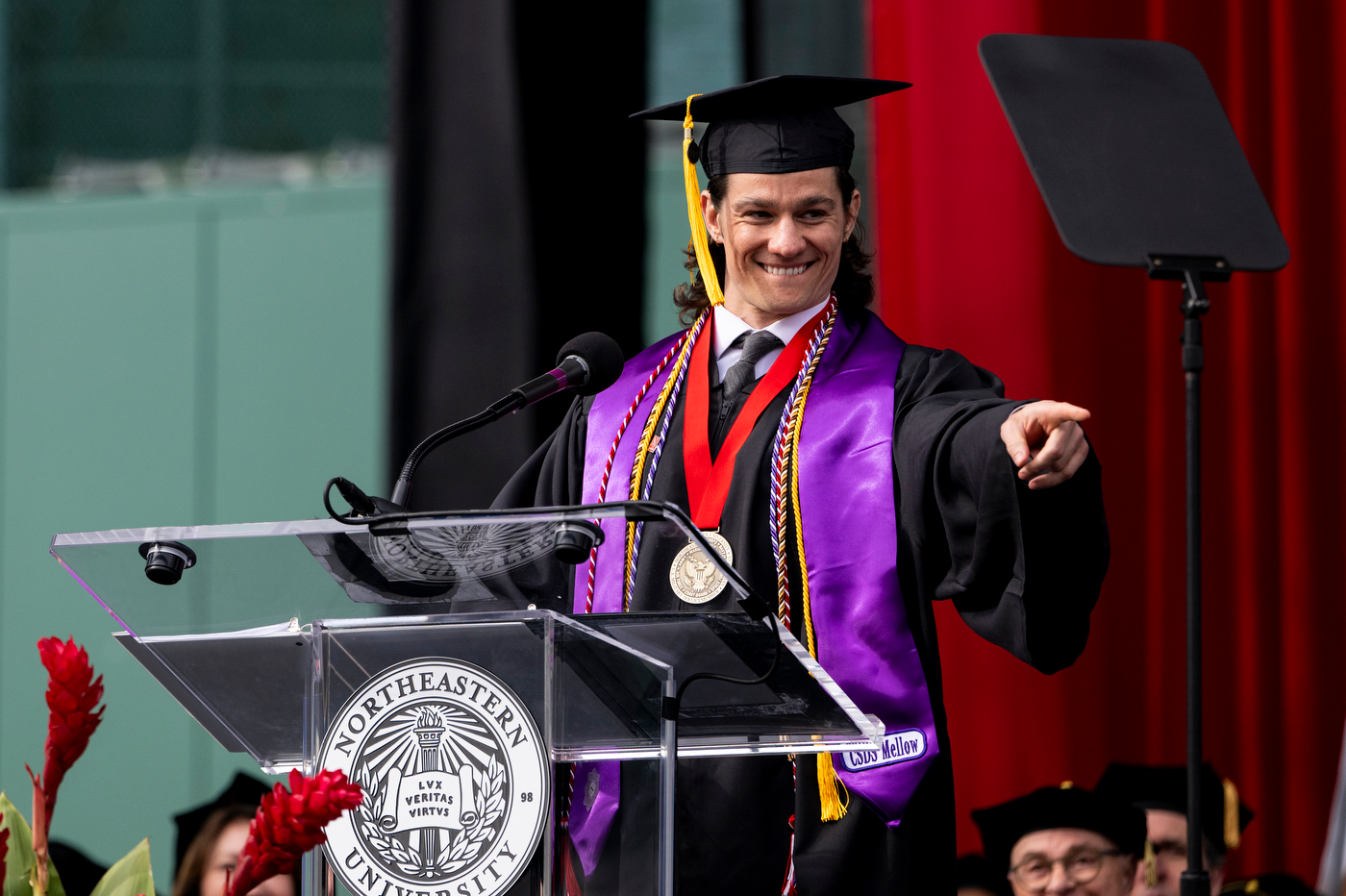
Northeastern undergraduate student speakers encourage bravery, open-mindedness
Evan Kenny, who graduated with a bachelor’s in behavioral neuroscience, encouraged fellow graduates to chase their desires.
What is “sardinemaxxing” and should you try it?
According to associate professor Leila Deravi and assistant professor Brie Reid, these canned fish pack a nutritional punch and are the latest online food craze.

Where are the women? Researchers are on a quest for more representation in medical research
Despite constituting half the population, female subjects are still underrepresented in medical trials. At Northeastern University, a cohort of researchers including Professor Rebecca Shansky is trying to close that gender gap.

Nature report links wildlife trends to human well-being
Professor Brian Helmuth and Professor John Coley lead research chapter on the human connection to nature and its importance for the future of the planet.

Loneliness is an epidemic. Social risk-taking offers an opportunity to make connections
Assistant professor Alexandra Rodman emphasizes that Wellness Week encourages “social risk-taking” and connecting with others in person.

Tochi Chukwuemeka ’27, Behavioral Neuroscience and Design
Entrepreneurship has shifted Tochi Chukmueweka’s approach to research design from focusing on individual components to thinking more holistically about how those components work together as a cohesive whole.
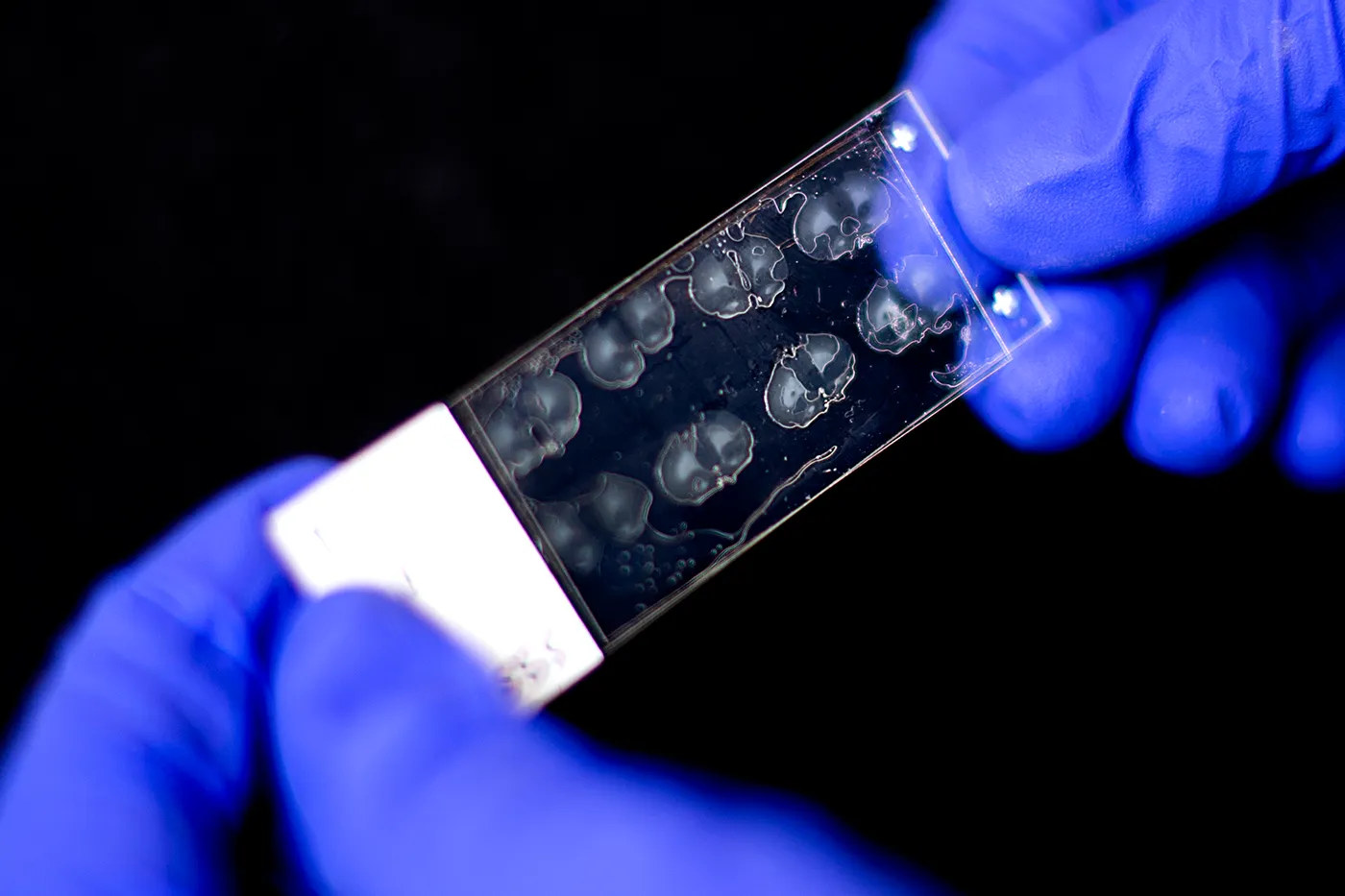
Pregnant? Researchers discover that it may decrease your ‘fear memory’
Professor Rebecca Shansky has discovered that chemical changes in the pregnant brain can soften subjects’ fear memories.
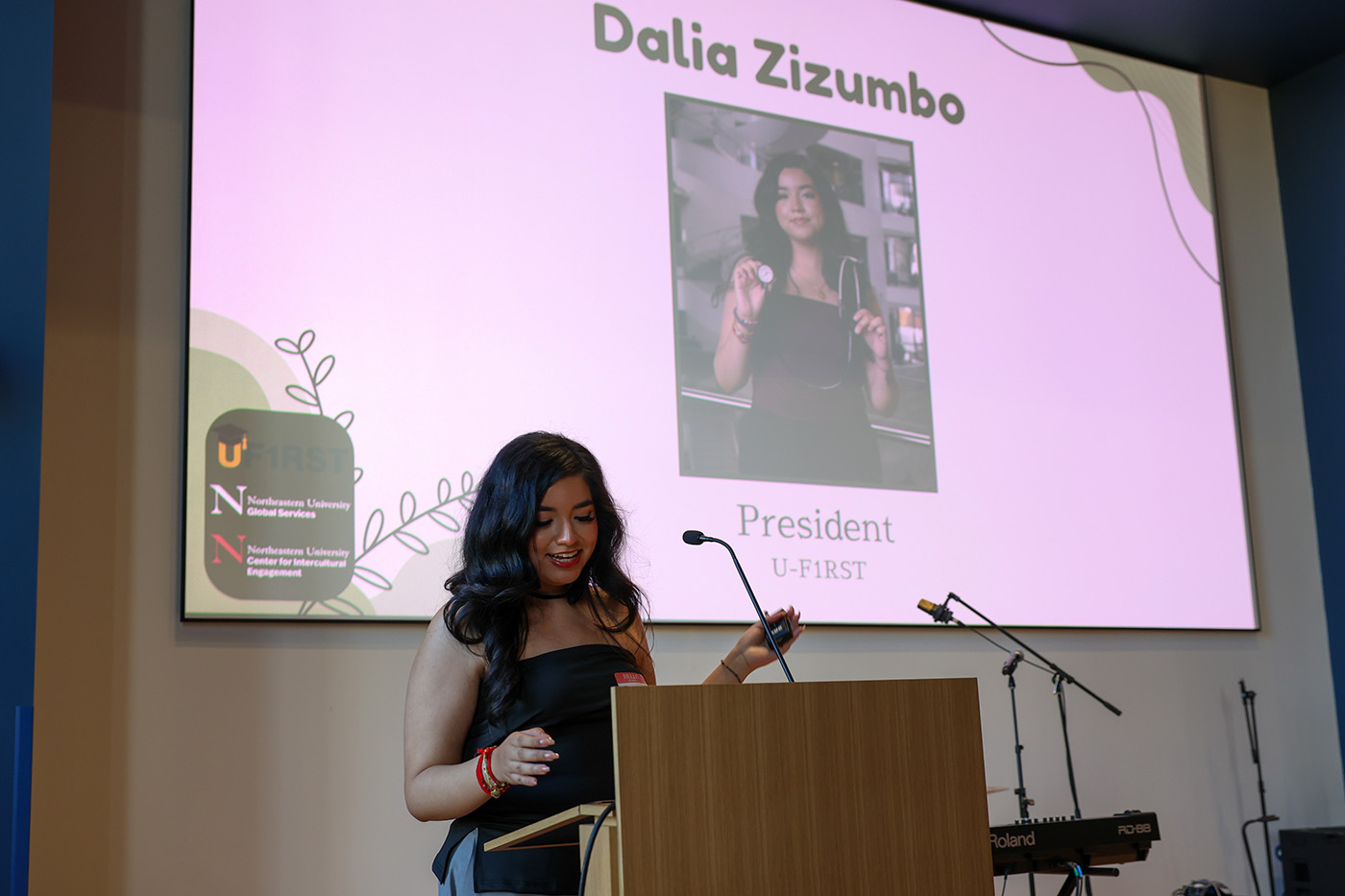
Dalia Zizumbo ’28, BS Data Science and Behavioral Neuroscience
Entrepreneurship has taught Dalia Zizumbo to see science not just as a pursuit of knowledge, but as a tool for building solutions.
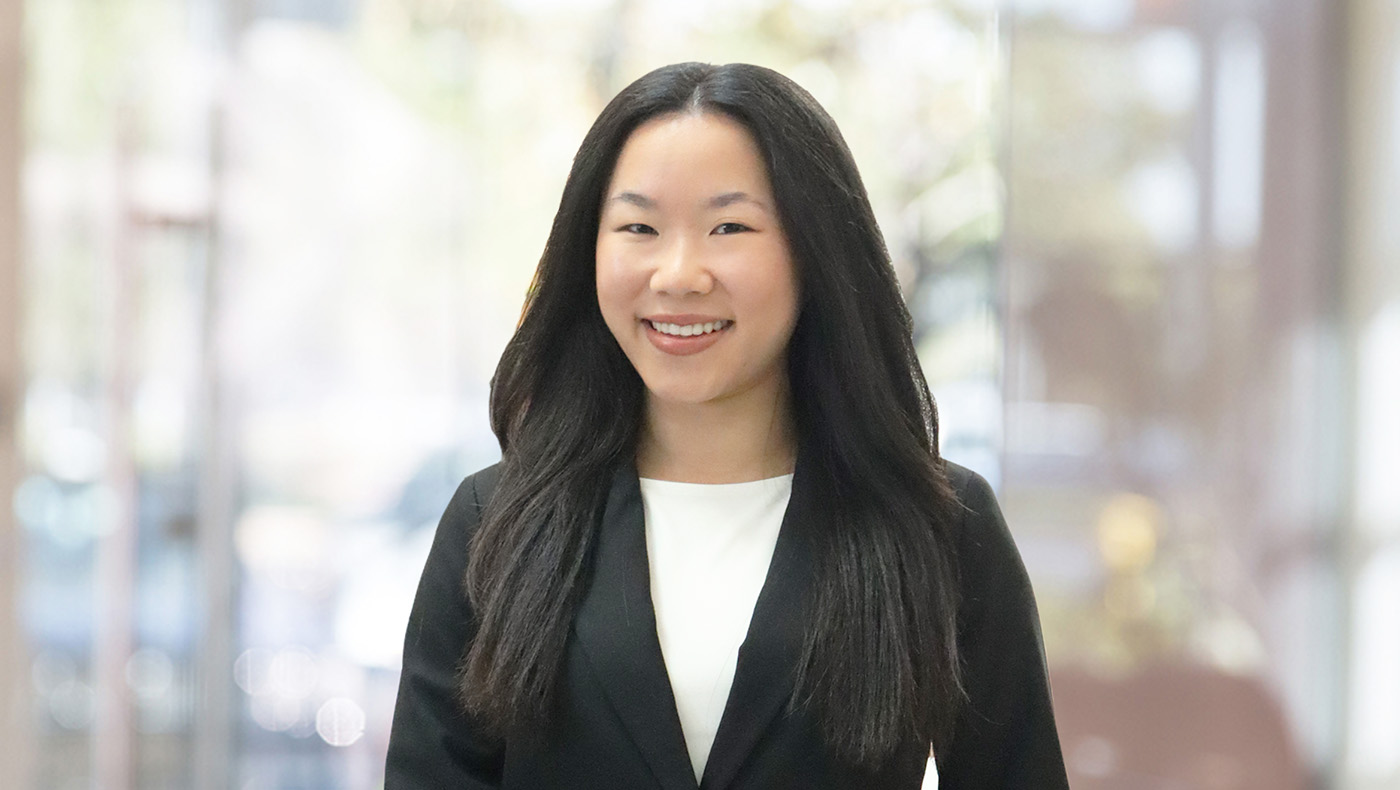
Lauren Kong ’27, BS Behavioral Neuroscience
For Lauren Kong, rigorous science and entrepreneurial thinking are not separate paths, but deeply interconnected ones.
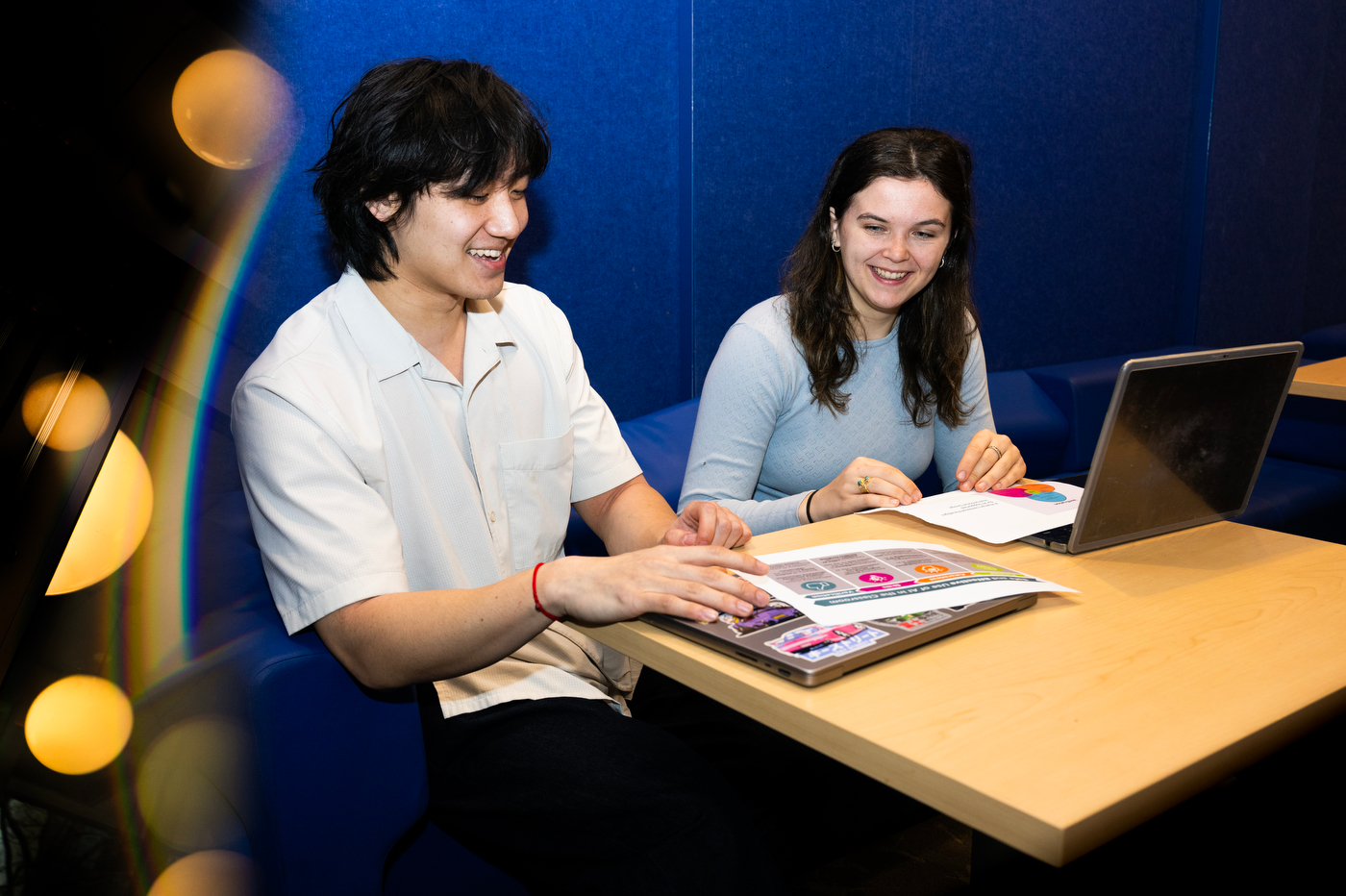
These educators wanted to learn more about AI. Northeastern was there to help
Dylan Kao and Lucy Paolini co-oped with NU Oakland’s Lead by Learning and designed a program to help educators learn about AI.

Health care co-ops don’t get snow days
Experiential learning is an essential part of the Northeastern education, and Anya Tandon is learning that medical services must be provided no matter what the weather brings.

How Ilia Malinin and Mikaela Shiffrin fared against the ‘Olympic Dragon’
Psychology professor Grayson Kimball says the athletes’ different results demonstrate how the mental pressure of the Games can cut both ways.