COS News
Research
“The basic premise is that AI can help us do better physics, and something that is less expected is that physics can also help us understand AI better,” said Northeastern professor James Halverson.
AI and physics have more in common than you might think.
News
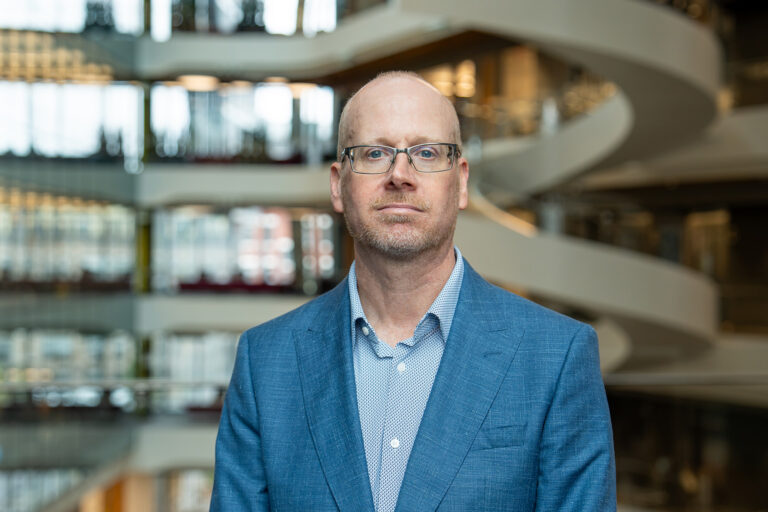
Mark Williams, Professor and Chair of the Department of Physics, will assume the role of Dean of the College of Science, effective July 1, 2026.
Mark C. Williams named Dean of the College of Science
Showing 250 results in Physics
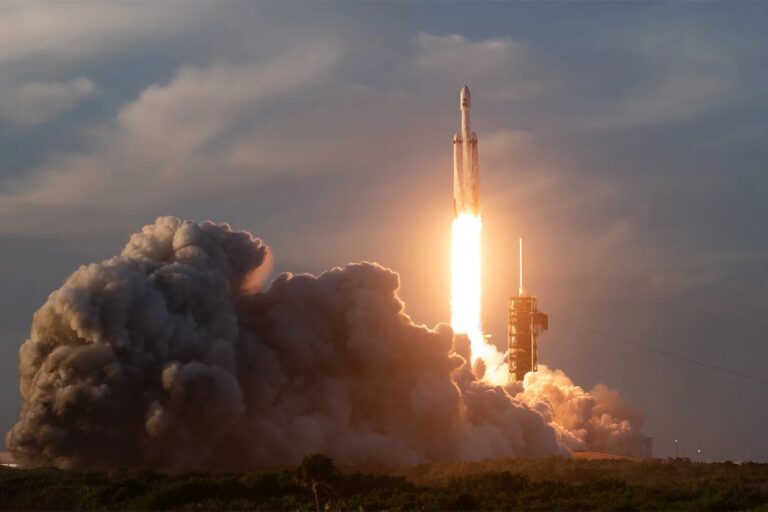
Witnessing Roman space telescope launch was a ‘privilege,’ Northeastern professors say
Two Northeastern cosmologists were invited to witness the launch of the Nancy Grace Roman Space Telescope that will help scientists learn more about exoplanets, dark matter and other mysteries of deep space.
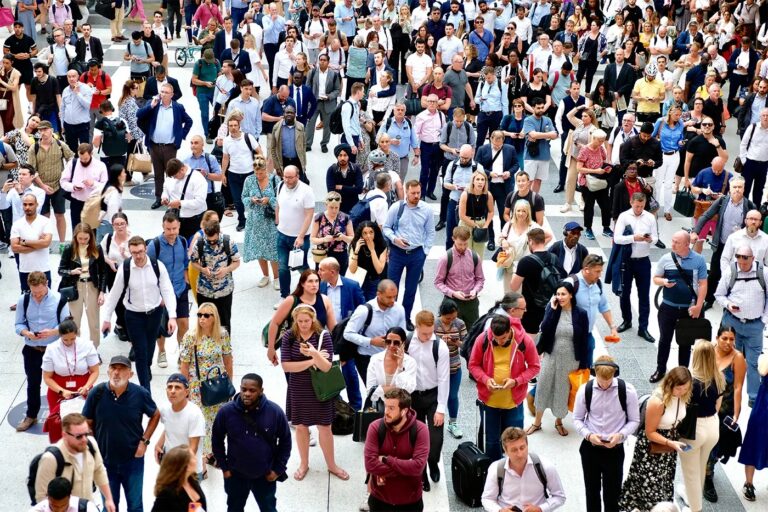
Researcher investigates how people get into the urban mix
Do modern cities still offer the opportunity to meet people from different income levels, social and ethnic groups and backgrounds?

AI is helping design cities. How should urban planners proceed?
Using AI in urban planning can predict floods and simplify policy, but Northeastern researchers say it needs careful oversight.
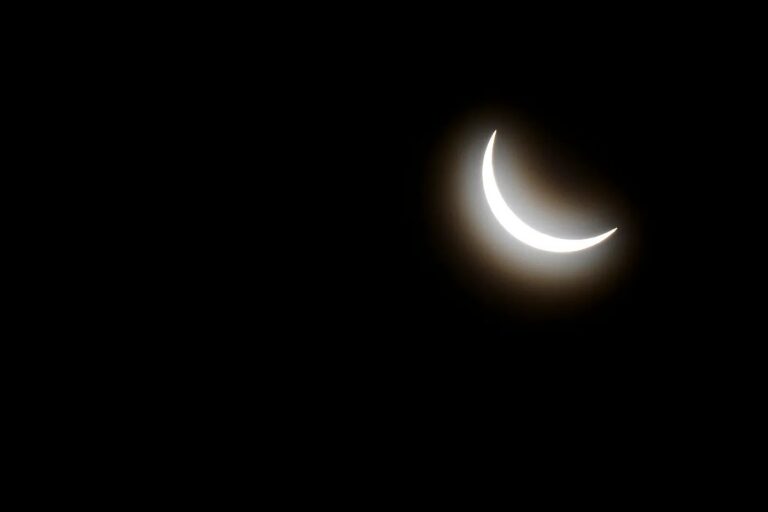
What to know about the solar eclipse and where the path of totality will cross
Solar eclipses are ‘rare’ but scientists can predict them hundreds of years in the future. Here’s what you should know ahead of Wednesday’s solar eclipse event.
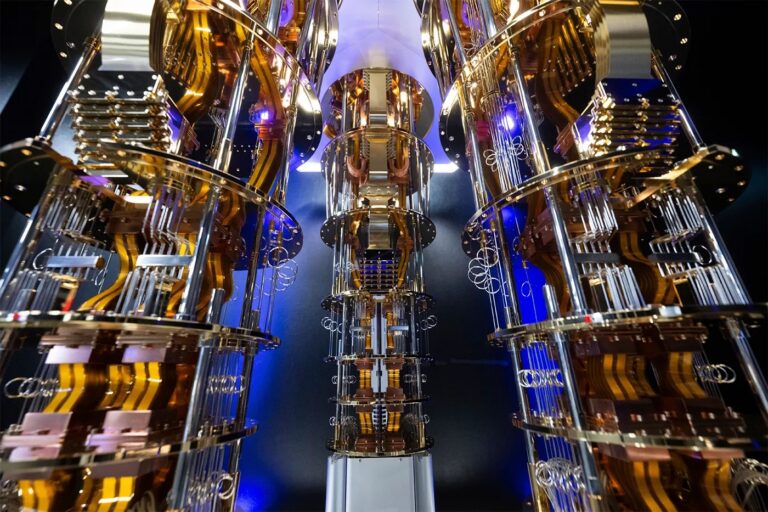
These researchers seek to quiet ‘the noise’ in quantum computing
These Northeastern University researchers are working to make quantum computers more efficient.
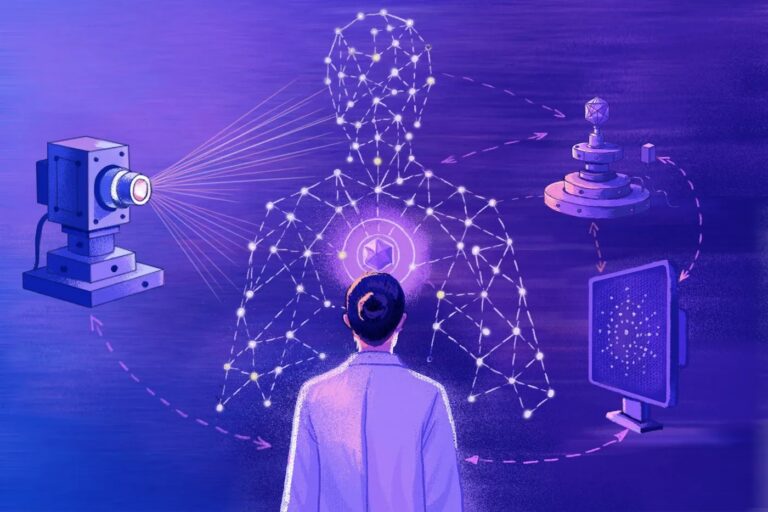
This AI scientist can run an X-ray experiment. Self-driving labs may come next.
Northeastern researchers helped develop an AI scientist that can run X-ray experiments autonomously, adjusting when needed. The discovery paves the way for self-driving labs of the future.
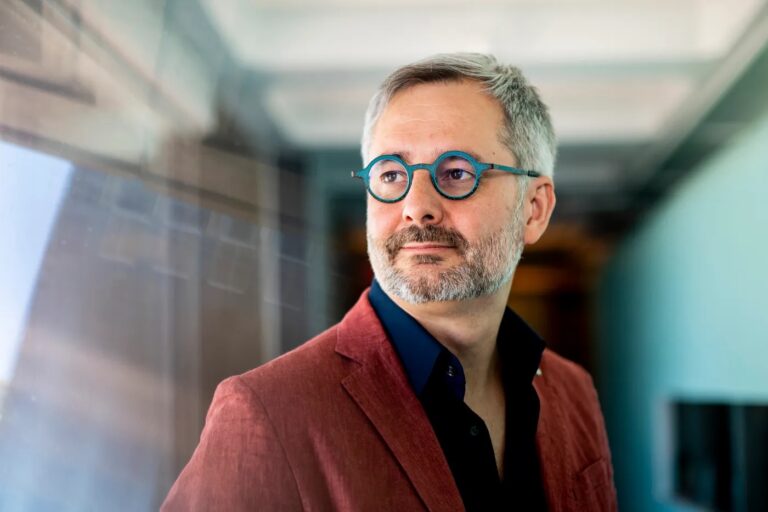
Albert-László Barabási wins award from Network Science Society
The Robert Gray Dodge professor of network science and university distinguished professor was recently honored by the Network Science Society for his foundational work in the field.

Varun Kompalli ’26, MS Nanomedicine
Varun Kompalli's exploration of drug delivery technologies sparked a fascination with nanomedicine and its role in COVID-19 vaccine delivery, ultimately motivating them to pursue a master's degree in the field at Northeastern University
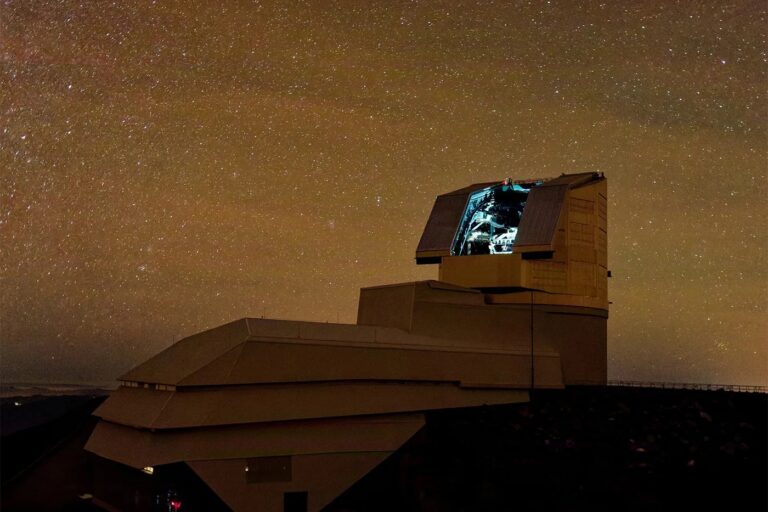
The Legacy Survey of Space and Time officially launches, as scientists begin filming ‘greatest cosmic movie ever made’
The Legacy Survey of Space and Time just kicked off one of the largest and most detailed observations of the sky, with the help of the largest digital camera on Earth.
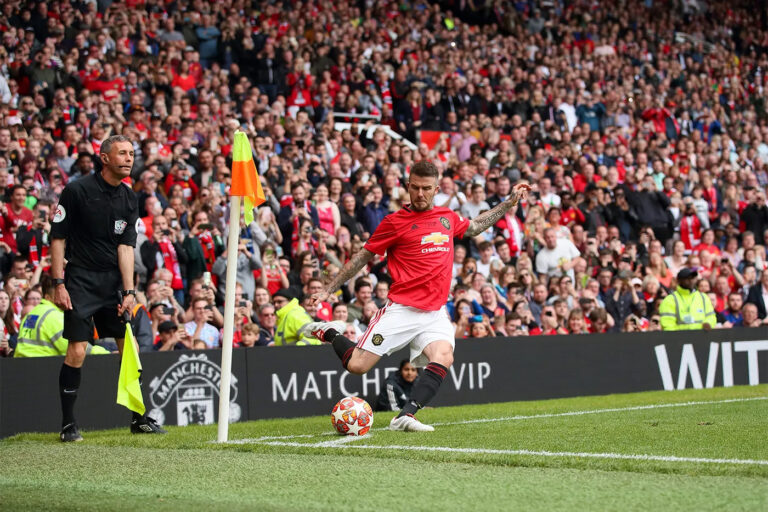
Physicist explains how to ‘bend it like Beckham’
Professor Arun Bansil said the “absolute key” to bending is the Magnus force or effect.
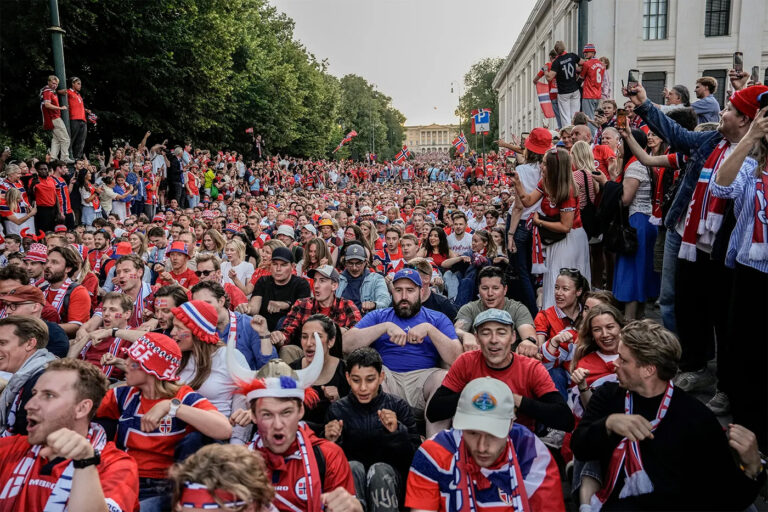
How do World Cup crowds get synchronized so quickly? Researchers explain
Some World Cup crowds are more in sync than others, but all have some common features, Northeastern experts say.
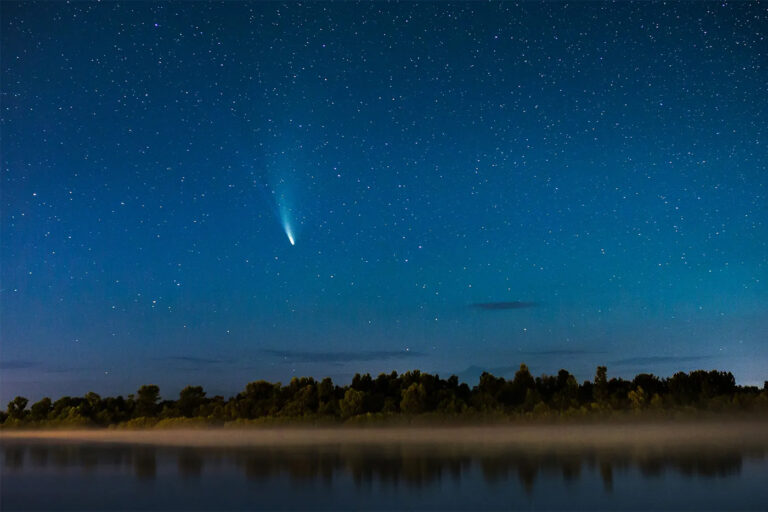
New revelations about interstellar comet 3I/Atlas shed light on ‘alien chemistry’
Assistant Professor Jacqueline McCleary breaks down how recently released details point to the comet’s ancient origins and distant, alien chemical composition.