Visits to the MSC
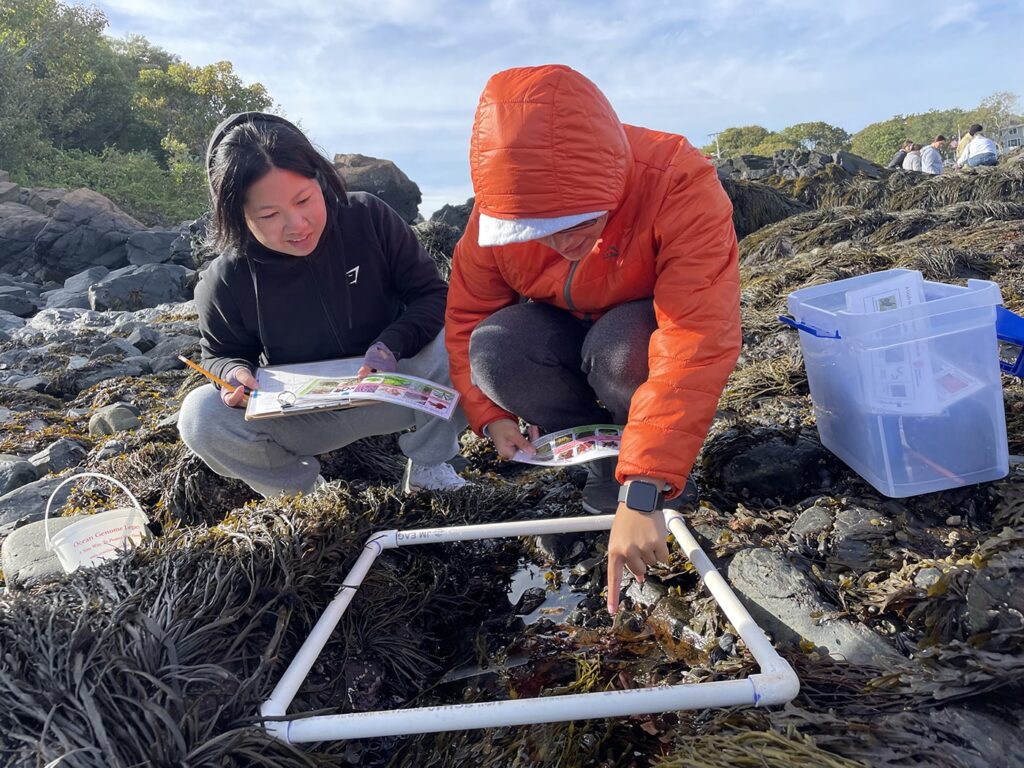
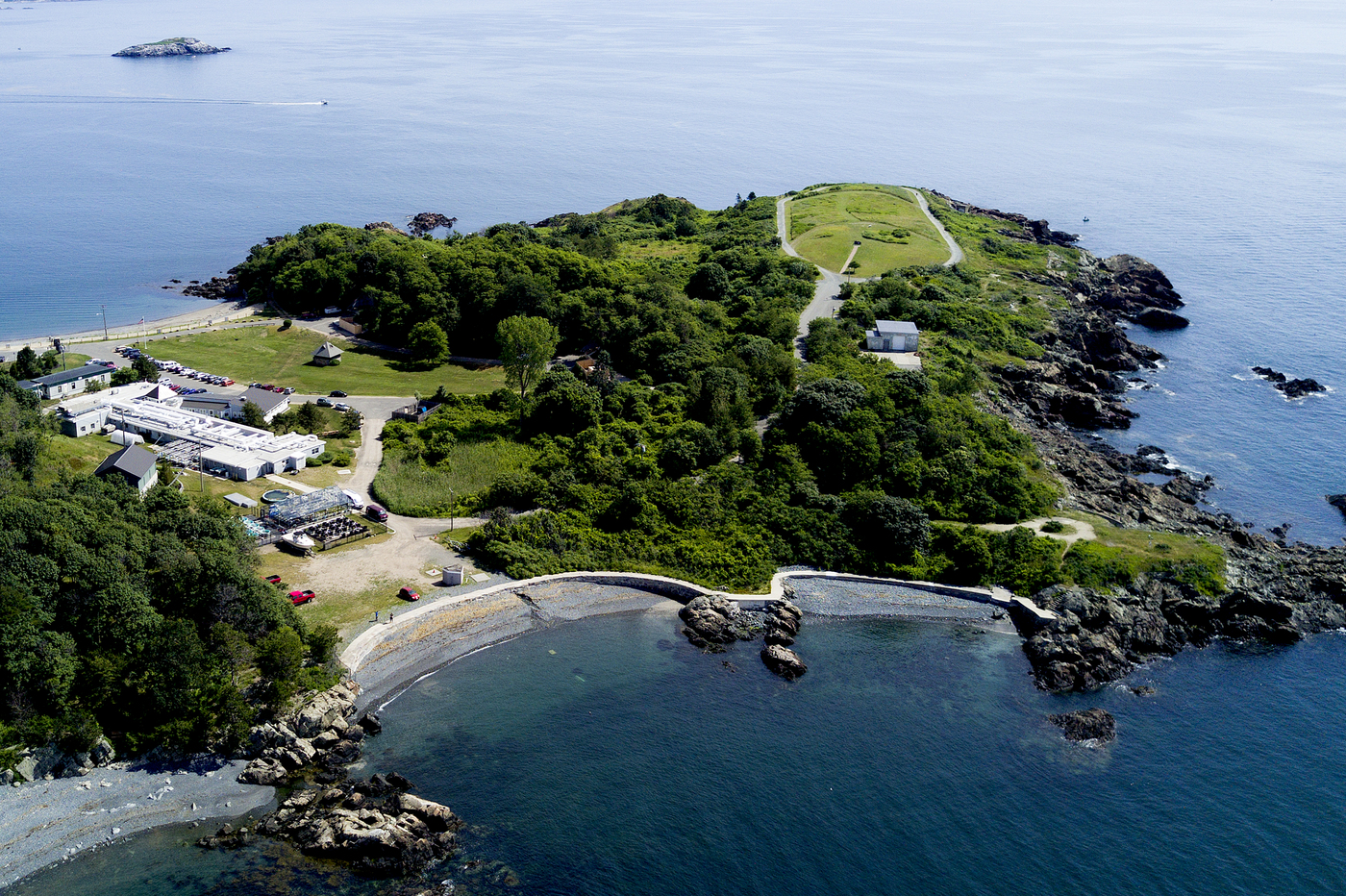
Scientists have been studying the rocky shore at Nahant for over 150 years, and a guided visit to our site introduces K-12 students and visitors of all ages to coastal ecology, marine life, and how scientists conduct field study in this pristine coastal setting.
We offer two options for guided visits to the site: a 3-hour Guided Field Program (introductory coastal ecology lesson, tidepooling, site tour, and touch tank visit) and a 1-hour Guided Tour (site tour and touch tank visit). Pricing is detailed below.
For In-Classroom programs, please visit our MSC in Your Classroom page.
For our seasonal free public tours (for individuals/families), please visit our Public Tours of the MSC page.
Scheduling your visit
Programs are offered year-round but typically take place between April and November. Programming is only available during the MSC’s regular hours of operation: Monday – Friday, 9:00am – 4:00pm.
Bookings are made on a first-come, first-served basis. The 3-hour Guided Field Programs are booked to coincide as closely as possible with low tides, consideration of which is paramount for the intertidal field experience. There are limited dates available each year, dependent on the tide schedule, other MSC programming, and staffing, so please include multiple dates that could work for your group, and request well in advance of the visit.
Current Field Trip Availability
- Spring 2026:
- 3-hr Guided Field Programs: none
- 1-hr Guided Tour: limited
- Summer 2026:
- 3-hr Guided Field Programs: limited
- 1-hr Guided Tour: limited
- Fall 2026:
- 3-hr Guided Field Programs: none
- 1-hr Guided Tour: limited
3-hour Guided Field Programs: what to expect
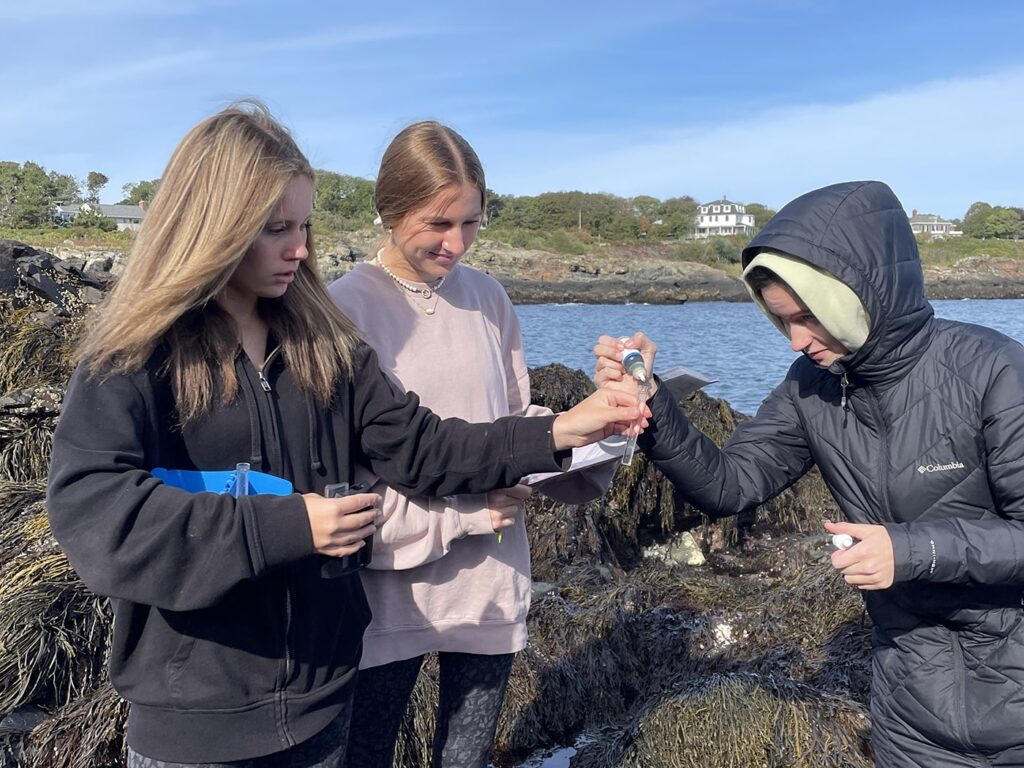
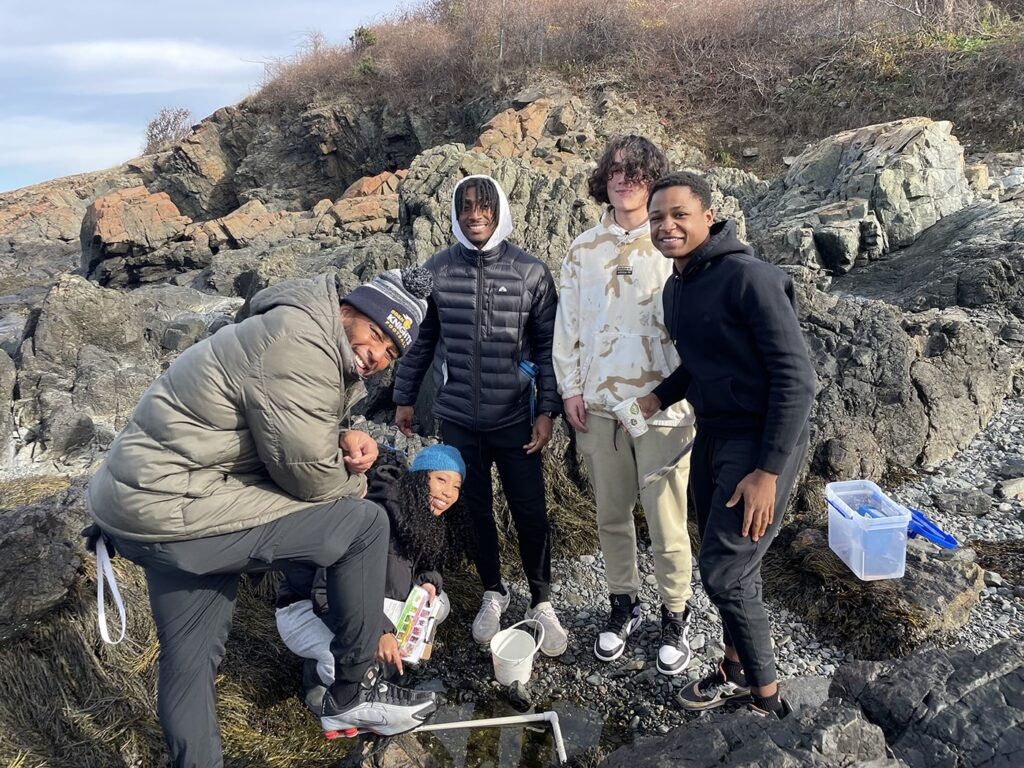
Although this is highly dependent on grade level, typical field program experiences include the following, with younger students tending to focus more on biodiversity and older students tending to focus more on field research skills:
- What Lives Here – Identification and classification of common marine invertebrates and algae
- Why Does it Live Here – Hypothesizing how abiotic factors affect the distribution of life on the rocky shore
- How Does it Live Here – Observing how species adapt to these challenging conditions
- How Do We Know All This – How scientists collect data and conduct field research on the rocky shore
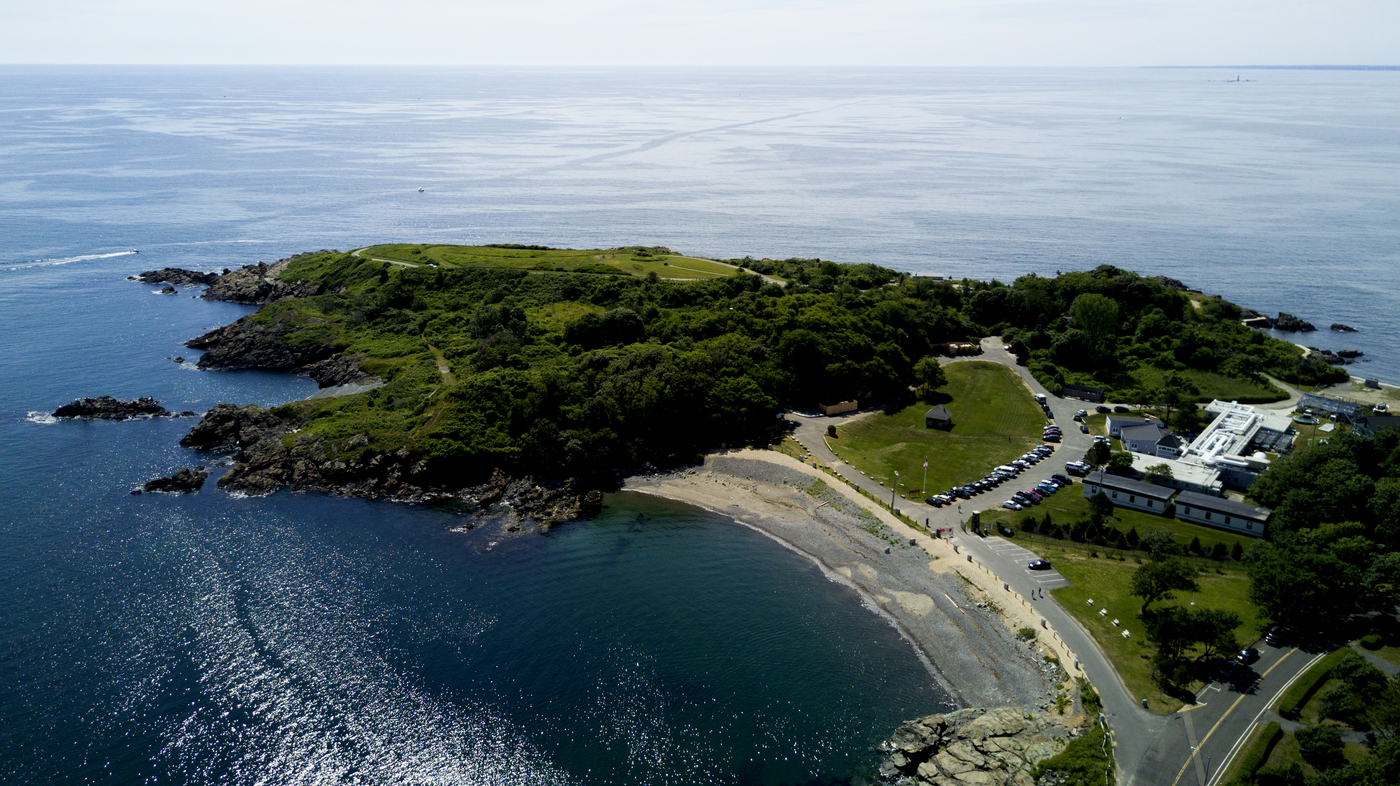
Students will collect real data in the field and will visit our touch tanks and interact with species they may not have found on the shore. If time permits, students will be escorted across the dramatic geology of East Point and learn about the area’s unique and renowned natural and human history.
Guided Tour Programs: what to expect
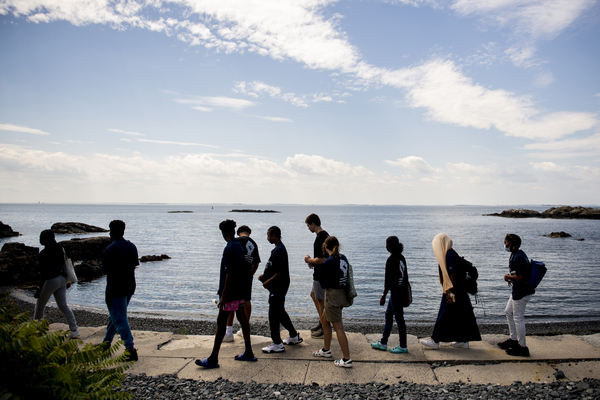
The 1-hour Guided Tour program offers visitors an opportunity to learn about the current marine and environmental research taking place here, see the facilities and grounds, and hear about the natural and cultural histories of East Point.
Visitors will be greeted by members of our outreach team and guided through the site, including indoor lab buildings, outdoor research areas and scenic overlooks, and to our onsite aquaria to observe and interact with some of the invertebrates typically found in the New England intertidal and subtidal.
Tour components can be customized depending on the age range and interest area of the group.
Requirements
A minimum of three weeks is required to ensure that all of the liability paperwork is in order. However, many schools book months in advance to secure the most ideal dates.
Unless prior permission is granted, we require a minimum of two chaperones for every visiting group. Chaperones are required at the following ratios:
- Grades PreK-2 – One chaperone for every six students
- Grades 3-5 – One chaperone for every 10 students
- Middle School – One chaperone for every 15 students
- High School – One chaperone for every 30 students
Chaperones are responsible for keeping students on task and cooperating with instructions and must be willing and physically able to walk with students around the tidepools of the rocky shore. Additional information will be sent to you about what to bring and what to expect.
Cost and payment information
2025/26 Program Fees
Prices are subject to change and will be confirmed at the time of booking. Pricing is calculated per group of 30 or fewer students (grades K-12) or 20 students or fewer (PreK). We can accommodate 1 to 2 groups per visit, depending on staffing.
Program Fees (per group)
- 3-hour Guided Field Program: $400 per group
- includes introductory coastal ecology lesson, tidepooling, site tour, and touch tank visit
- 1-hour Guided Tour: $200 per group
- includes a walking tour of the lab and grounds, overview of history and research, and touch tank visit
When you book a program, we will send you an invoice and payment instructions. Payment can be completed by check or credit card.
Cancellations
You may cancel or reschedule your program more than 30 days prior to the start of the program. Cancellation after that time will incur a $100 charge, unless we are able to rebook another program in your time slot.
Any decision to cancel a program will be discussed with you. We will not cancel a program due to rain unless it is forecast to downpour persistently. We will cancel if there is a strong likelihood of thunder, lightning, or heavy winds that render the shoreline unsafe. Every effort will be made to reschedule any programs cancelled due to weather.
Preparing for your trip
Our Educator Resources page provides resources that will help you prepare for your field trip to the MSC.
Facilities and amenities
There are no vending machines or cafeteria at our site, but you are welcome to bring snacks/lunches. Most groups choose to have lunch either during or after their field program, and the MSC hosts a large lawn that is perfect for picnicking. Trash bags will be provided to you for clean-up; these can be deposited in our dumpster.
Restrooms are available in the main building and classroom area. Use of the restrooms must be supervised by teachers or chaperones, and in a manner respectful of the faculty, staff, and students who work in the building.
Unless previously arranged, access to any research areas is prohibited. Most groups are able to take a walking tour of East Point, where ticks proliferate in summer months. It is advised that all persons check themselves for ticks after completing the program.
Additional information
Swimming is not allowed at the MSC at any time, although participants’ feet may get wet in the tidepools.
Collection or removal of ANY items (e.g., live animals, sand, shells, seawater) from the grounds is strictly prohibited without prior permission from the MSC Director. Visitors should not cause harm to any living organism at any time. Disruptive, dangerous, or disrespectful behavior will not be tolerated.
The weather in Nahant is usually a bit cooler and windier than on the “mainland.” Layers of clothing, a change of shoes and clothes, and/or rain gear are highly recommended. A hat is advisable.