What is nature?
When Northeastern University researchers asked a sample of undergraduate students this question last spring, many of their responses included “the outdoors,” “flora and fauna that exist without human interference” or “natural environment.”
“That’s a very typical response,” says John Coley, professor of psychology at Northeastern. “It’s like there’s us—and then nature is all the stuff that’s not us.”
Scientists call this widely spread way of thinking about the human-nature relationship “human exceptionalism”—when people believe that they exist independently of the ecosystems they live in and draw a sharp line between themselves and what is considered nature.
However, from the scientific point of view, humans are part of the living organisms within an ecosystem that interact with the nonliving environment, says Brian Helmuth, professor in the Department of Marine and Environmental Sciences and School of Public Policy and Urban Affairs at Northeastern.
Read more from Northeastern Global News.
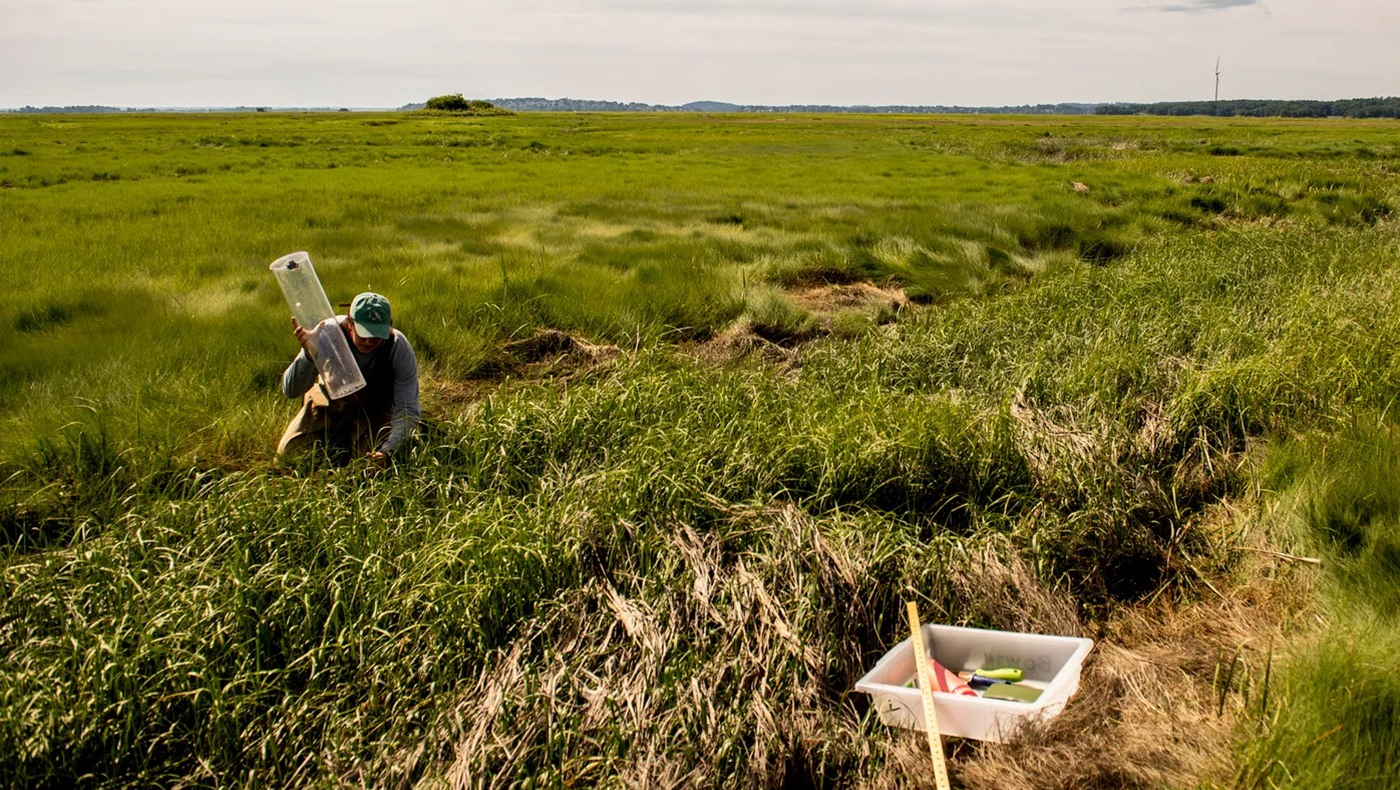
Photo by Matthew Modoono/Northeastern University