COS News
News

A new report from a group of Northeastern researchers explores across disciplines how biotech can ensure safe, sustainable life beyond Earth.
The key to international space cooperation is developments in biotechnology, Northeastern researchers say
News

The NeuroPRISM lab, led by assistant psychology professor Stephanie Noble, makes tools that pave the way for reliable and reproducible neuroimaging of the brain.
Precise maps of the brain’s deepest corners are made possible through tools developed by these Northeastern researchers
Showing all results
Mass Spectrometry Facility awarded grant to advance single-cell proteomics research
Northeastern University’s Mass Spectrometry Facility has been awarded a $2.2 million research infrastructure grant from the Massachusetts Life Sciences Center (MLSC) to build a cutting-edge core supporting single-cell proteomics research. The award, through the Center’s Research Infrastructure program, will establish a fully integrated pipeline that enables researchers to measure proteins at single-cell resolution, filling a […]
The FDA unveils a new food pyramid that promotes red meat and protein
The new guidelines emphasize healthy fats and proteins while advising limits on saturated fats, plant biochemist and professor Jing-Ke Weng notes.

The rubber in artificial turf decays into a potentially dangerous chemical cocktail, new research shows
New research by Zhenyu Tian, an assistant professor of chemistry and chemical biology, examines the complex and potentially dangerous miasma of chemicals released by crumb rubber, a fill material used in many artificial turf fields.
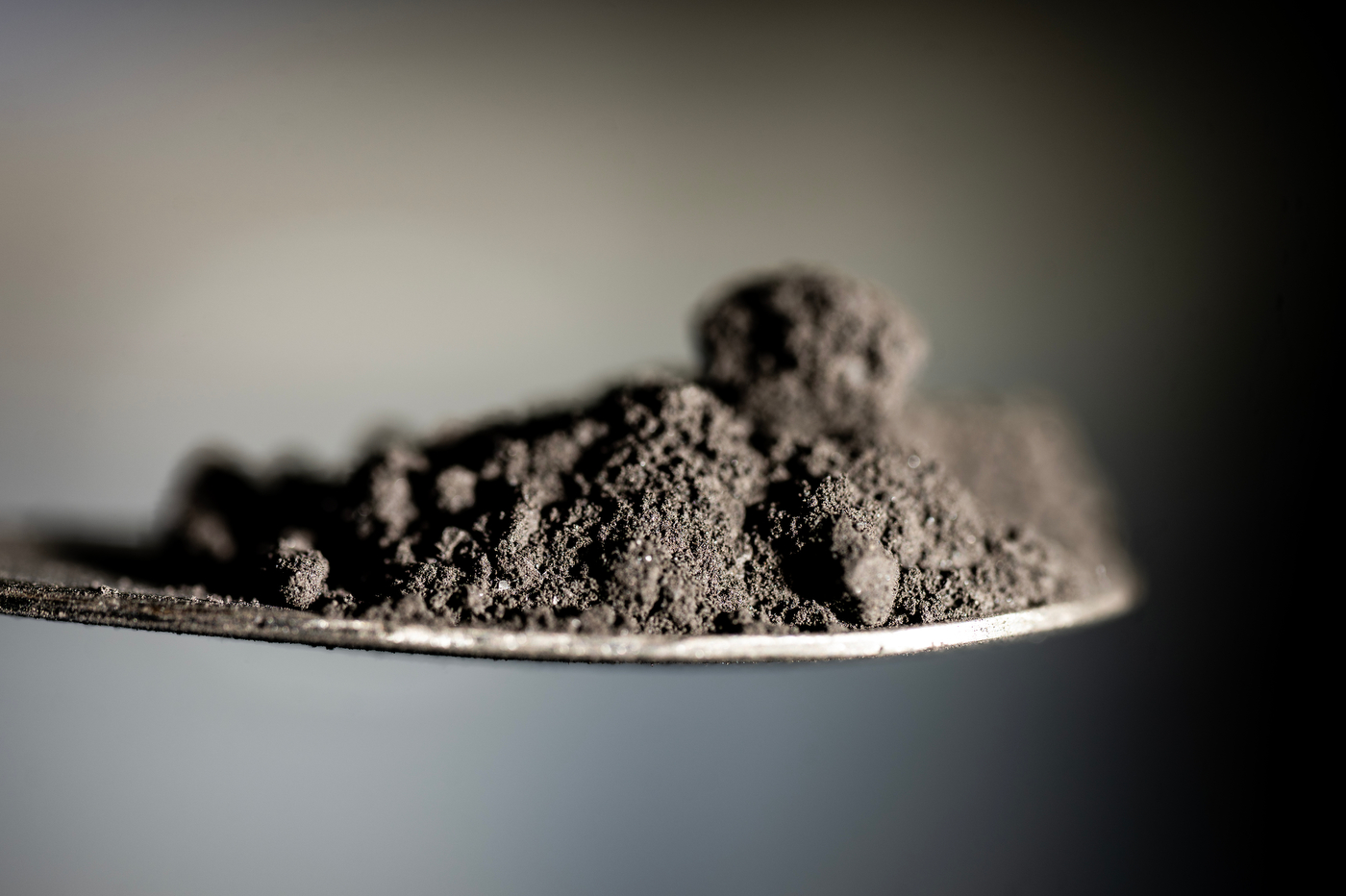
Rare earth element extraction can be doubled with this new technique
New research led by Damilola Daramola has identified a method of extracting rare earth elements from mining waste that is two to three times more efficient than previous approaches.
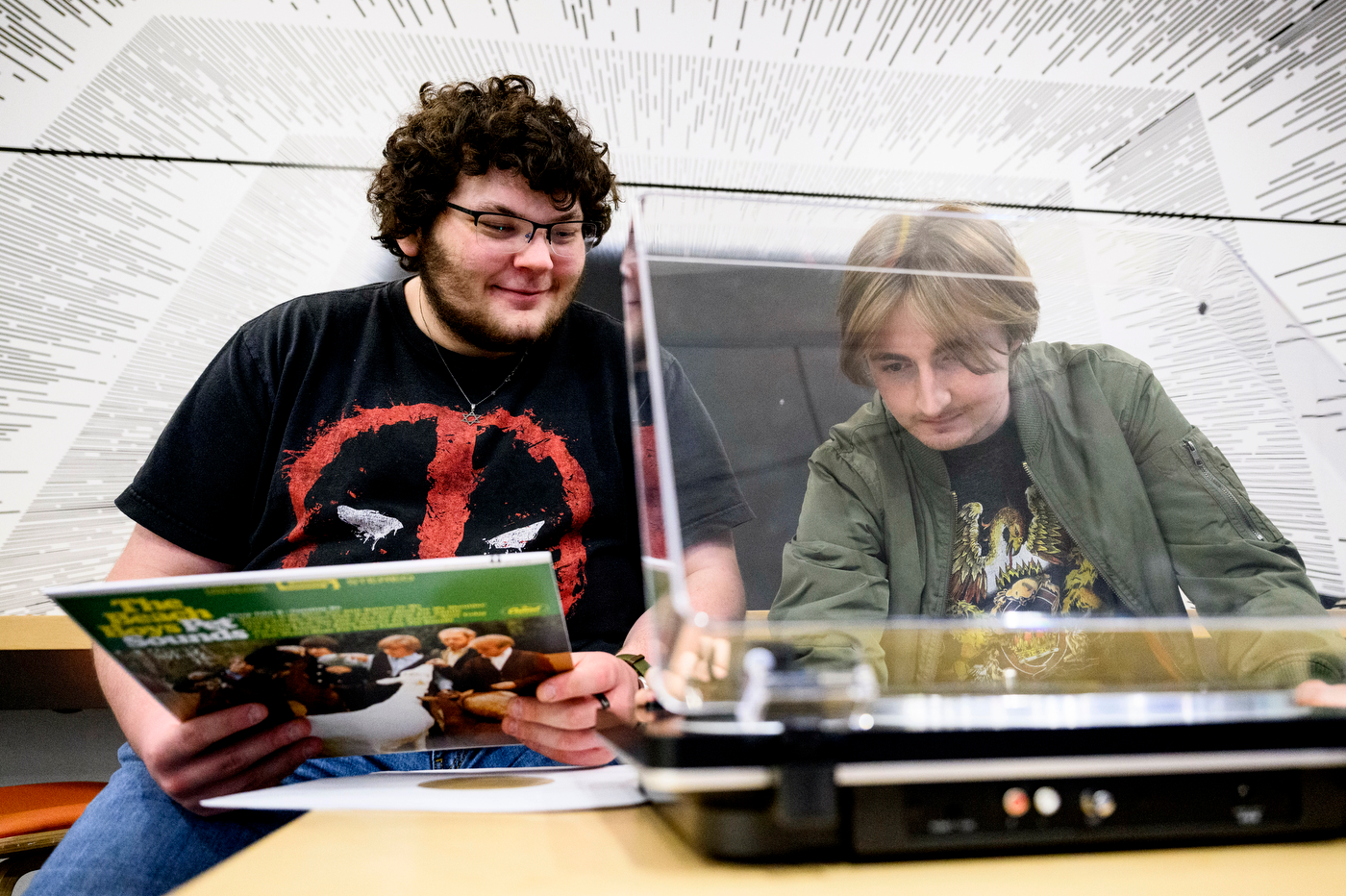
Why we remain attached to the music of our youth
Juliet Davidow, assistant psychology professor, argues that the social rewards when listening and experiencing music in our younger days helps ‘encode’ it onto our memories.
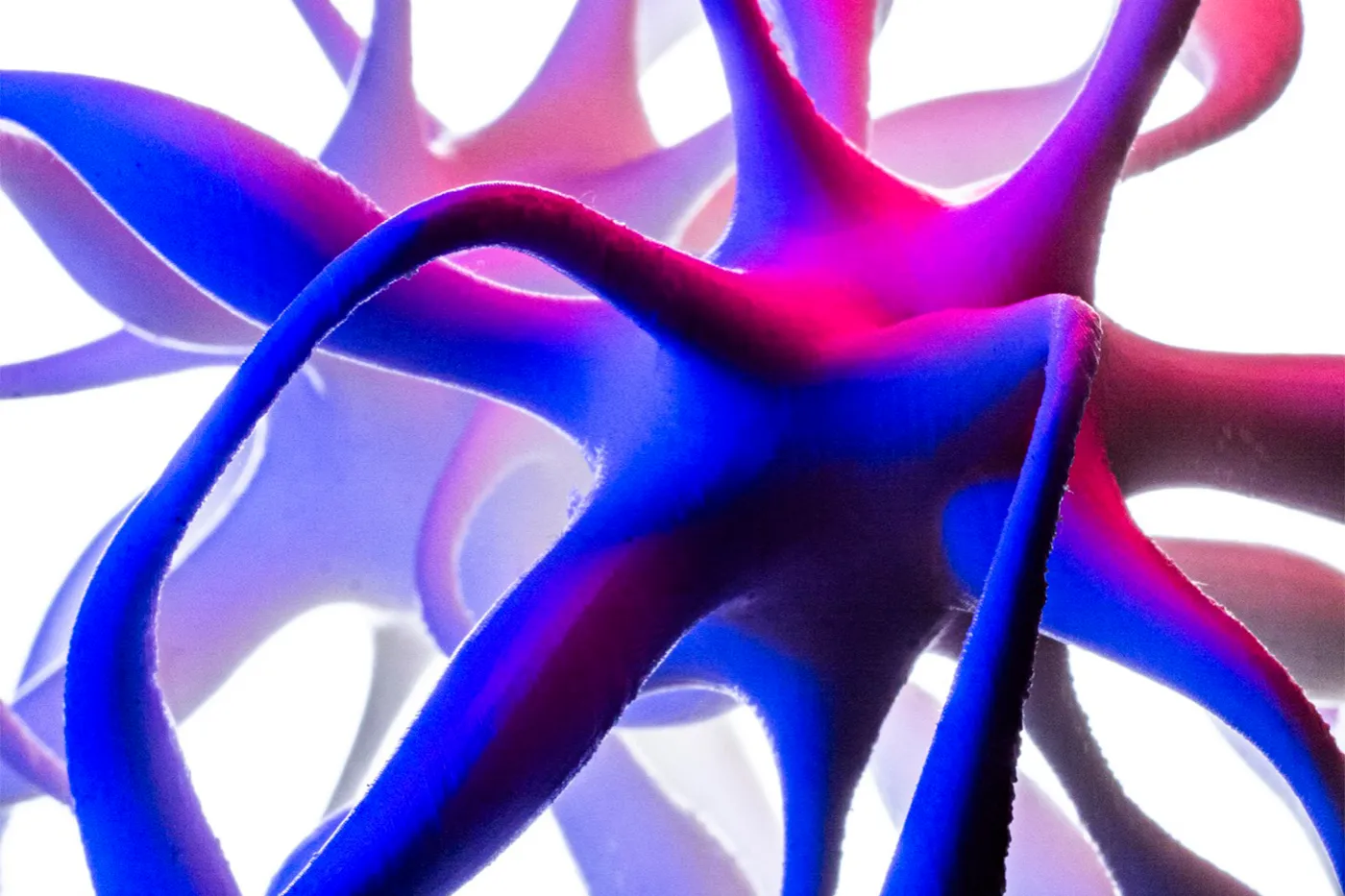
How string theory helped solve a mystery of the brain’s architecture
Scientists long thought neurons minimized connection lengths, but neuronal maps told a different story. New research by Albert László Barabási uses string theory mathematics to explain why.
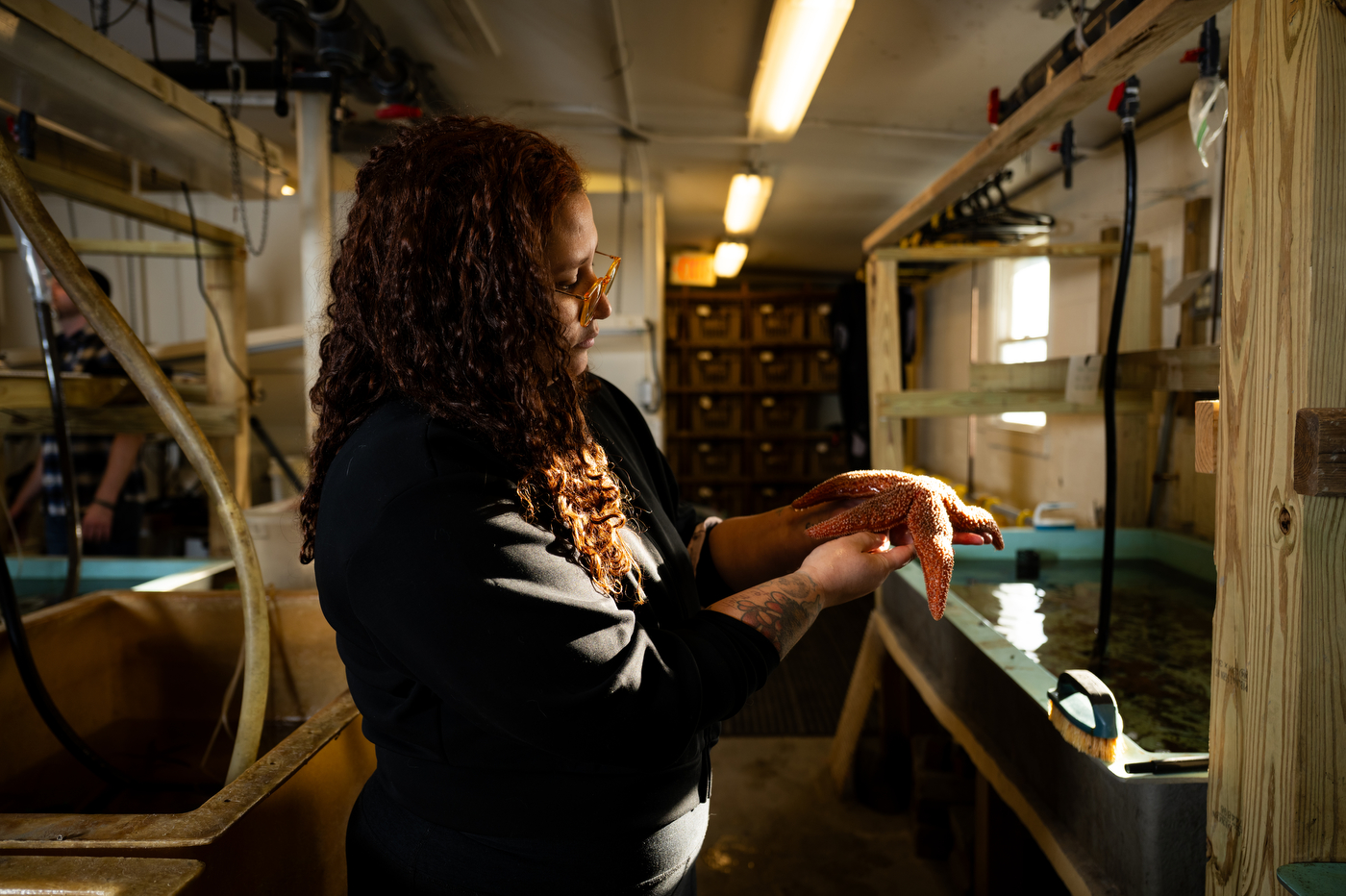
Starfish are dying from a mysterious disease. She hunts for answers
Angela Jones, a PhD candidate at Northeastern, is studying the devastating yet mysterious sea star wasting disease.
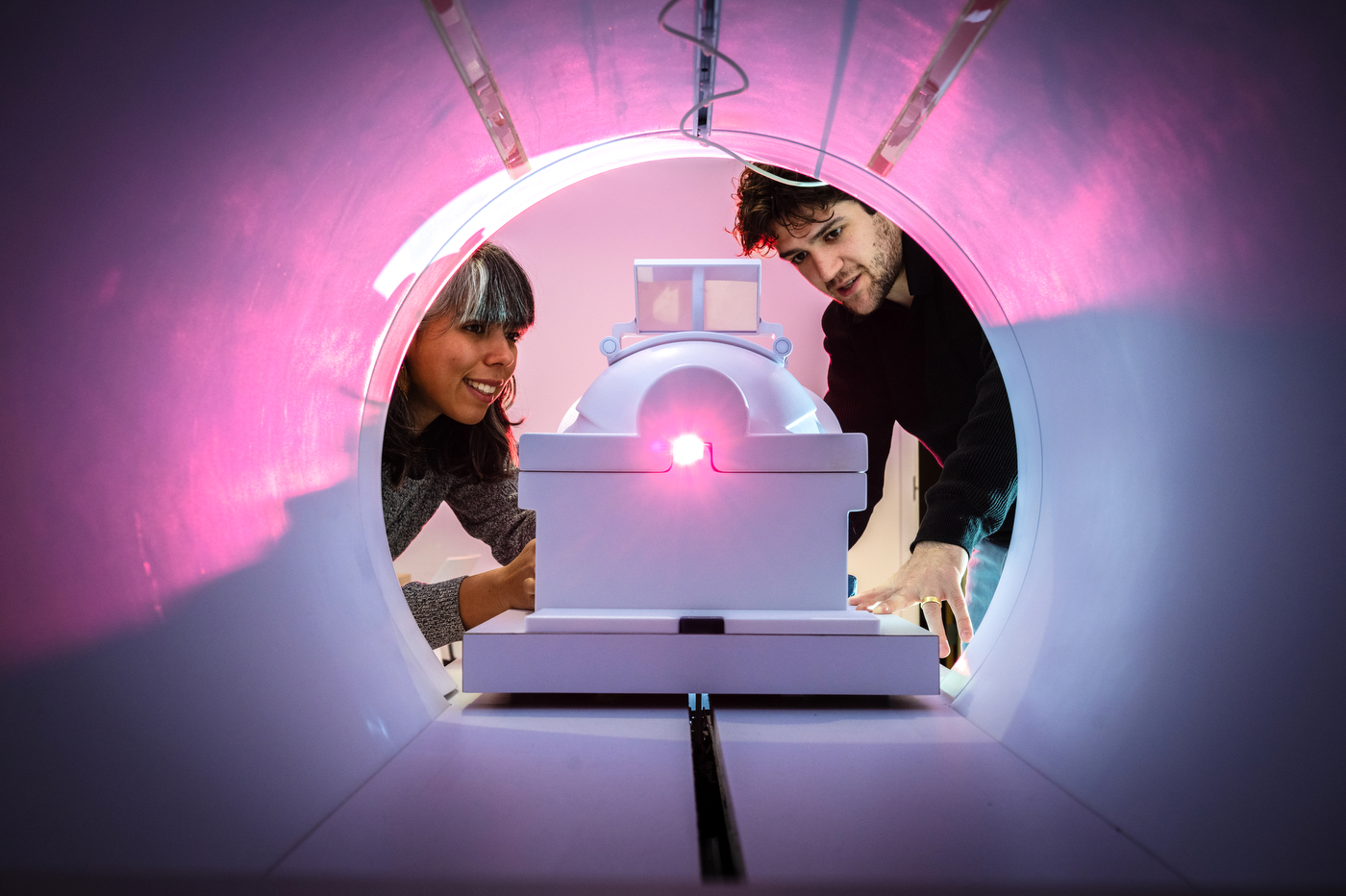
How a ‘caricature’ of a brain scan could lead to better treatment outcomes
New research by Stephanie Noble removes task based information from resting state MRI scans, improving individual diagnoses and predictions.
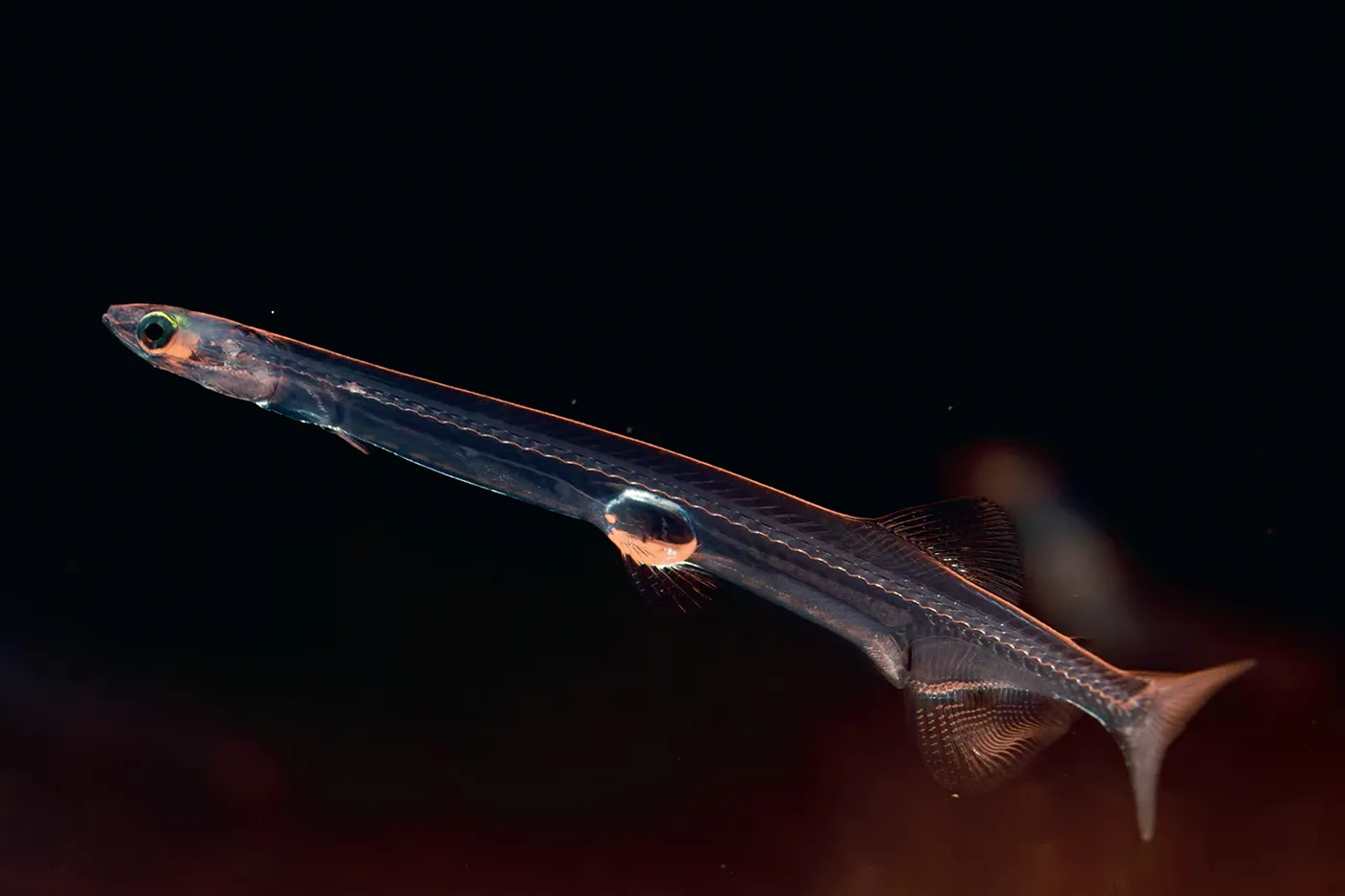
No red blood cells? No problem. Icefish, meet the Asian noodlefish
Professor Detrich thought he’d solved the mystery of the white-blooded icefishes that swim in Antarctic waters. Then he met the Asian noodlefish.

Design your own experiments in Northeastern’s Wet Lab Makerspace
Independent research shines at Northeastern’s Wet Lab Makerspace, where assistant professor Katia Zolotovsky points to hands-on seminars in microbial art, foundational lab skills, and the chance for students to design their own experiments.

Feel like your brain is a little sluggish? Try 10 minutes of exercise
New research demonstrates that just 10 minutes of exercise before starting class can improve executive function, making problem-solving and learning easier.

Playing pollution detective off Nahant Beach, a search for clues leads to a stunning bacterial count
A Northeastern University graduate student tested beaches near the Nahant campus to find local sources of pollution.