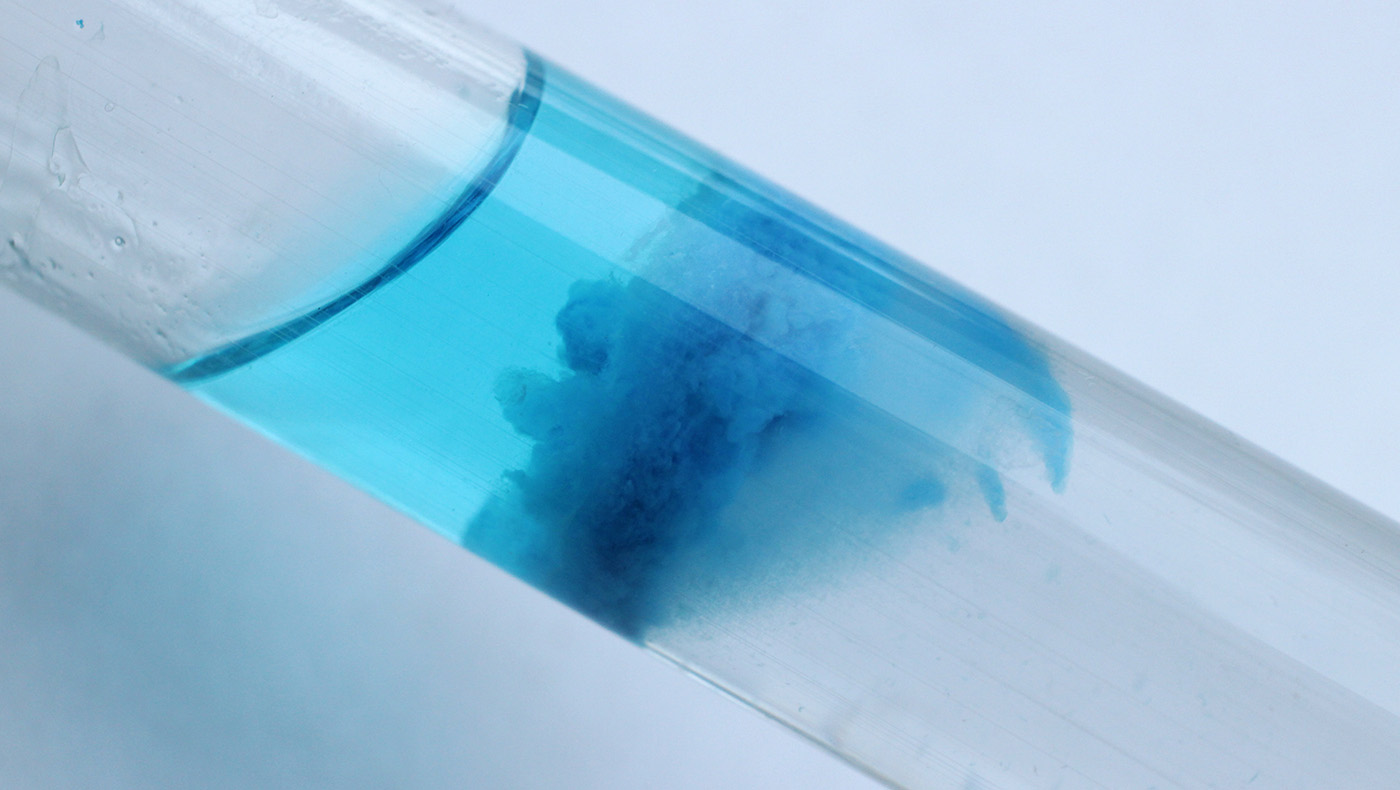
Inorganic Chemistry
Inorganic chemistry studies the properties, structures, and reactions of inorganic compounds—primarily metals, minerals, salts, and non-carbon-based materials. This field explores catalysis, electronic materials, ceramics, and coordination compounds. Inorganic chemists develop advanced materials for electronics, energy storage, medical applications, and industrial processes, contributing to technologies from semiconductors to pharmaceuticals.
Members
-

Professor Daramola’s research seeks to reverse the human impact on Earth’s natural cycles related to water, carbon, nitrogen, and phosphorus.
-
The Sayre Research Group designs and synthesizes broad-spectrum photocatalysts for high-energy reactions.
-
Professor Lykourinou’s research focuses on green catalysis, hydrolysis, and green oxidation using MOFs, metallopeptides, and proteins for oxygen/hydrogen peroxide activation.
-

Professor Kirss’s research interests are in synthetic and mechanistic chemistry of iron and ruthenium.
-

The Peltier Group blends organic, inorganic, and materials chemistry to fabricate novel materials that address challenges in catalysis, energy, and sustainability.
Interested in working with us?
In the news
view more-
Research

Ashwagandha is having a moment. These researchers opened the door to more life-altering benefits
Ashwagandha, a popular supplement, is known for its effect on stress and sleep. Professor Jing-Ke Weng recreated its compounds in yeast, making a potential factory for its many benefits. -
News
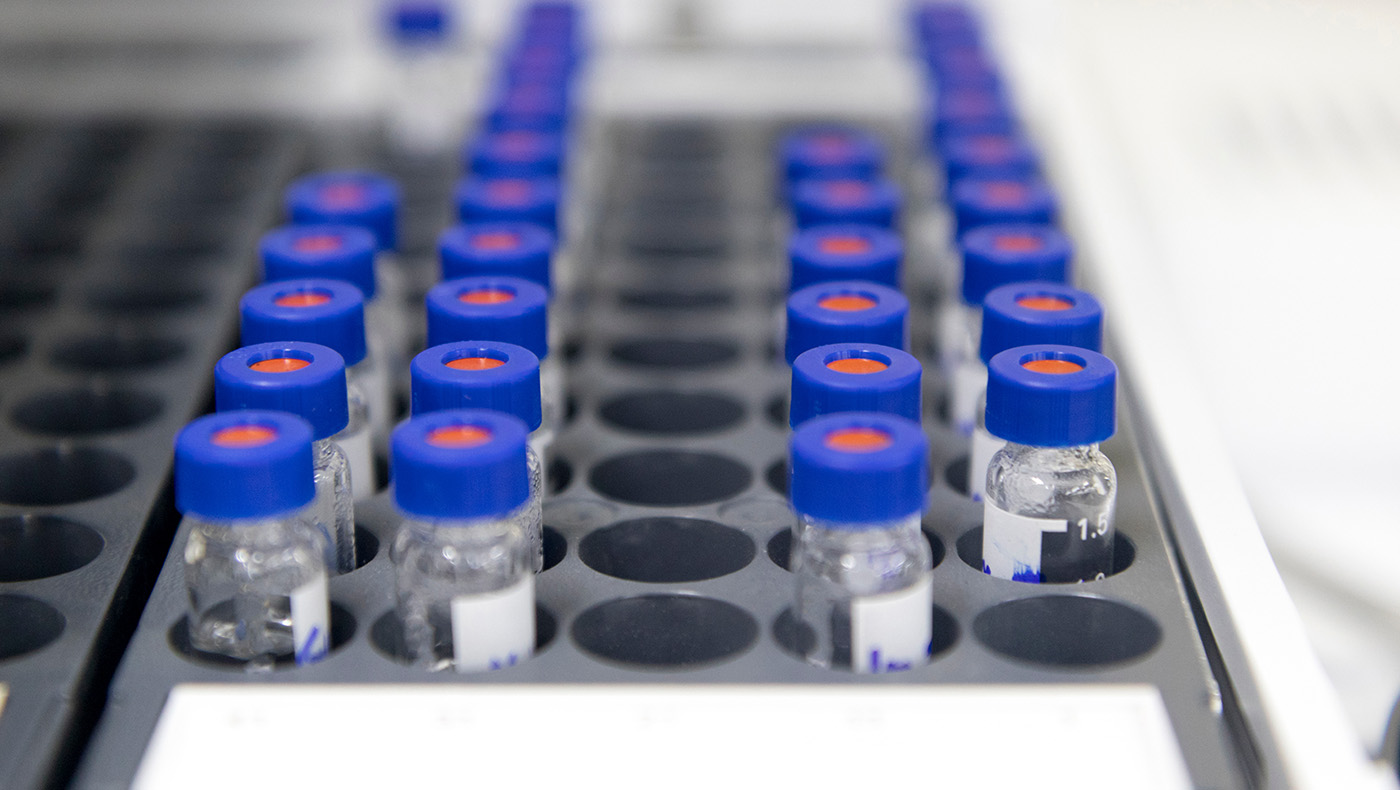
Mass Spectrometry Facility awarded grant to advance single-cell proteomics research
Northeastern University’s Mass Spectrometry Facility has been awarded a $2.2 million research infrastructure grant from the Massachusetts Life Sciences Center (MLSC) to build a cutting-edge core supporting single-cell proteomics research. The award, through the Center’s Research Infrastructure program, will establish a fully integrated pipeline that enables researchers to measure proteins at single-cell resolution, filling a… -
Research

The rubber in artificial turf decays into a potentially dangerous chemical cocktail, new research shows
New research by Zhenyu Tian, an assistant professor of chemistry and chemical biology, examines the complex and potentially dangerous miasma of chemicals released by crumb rubber, a fill material used in many artificial turf fields. -
Research
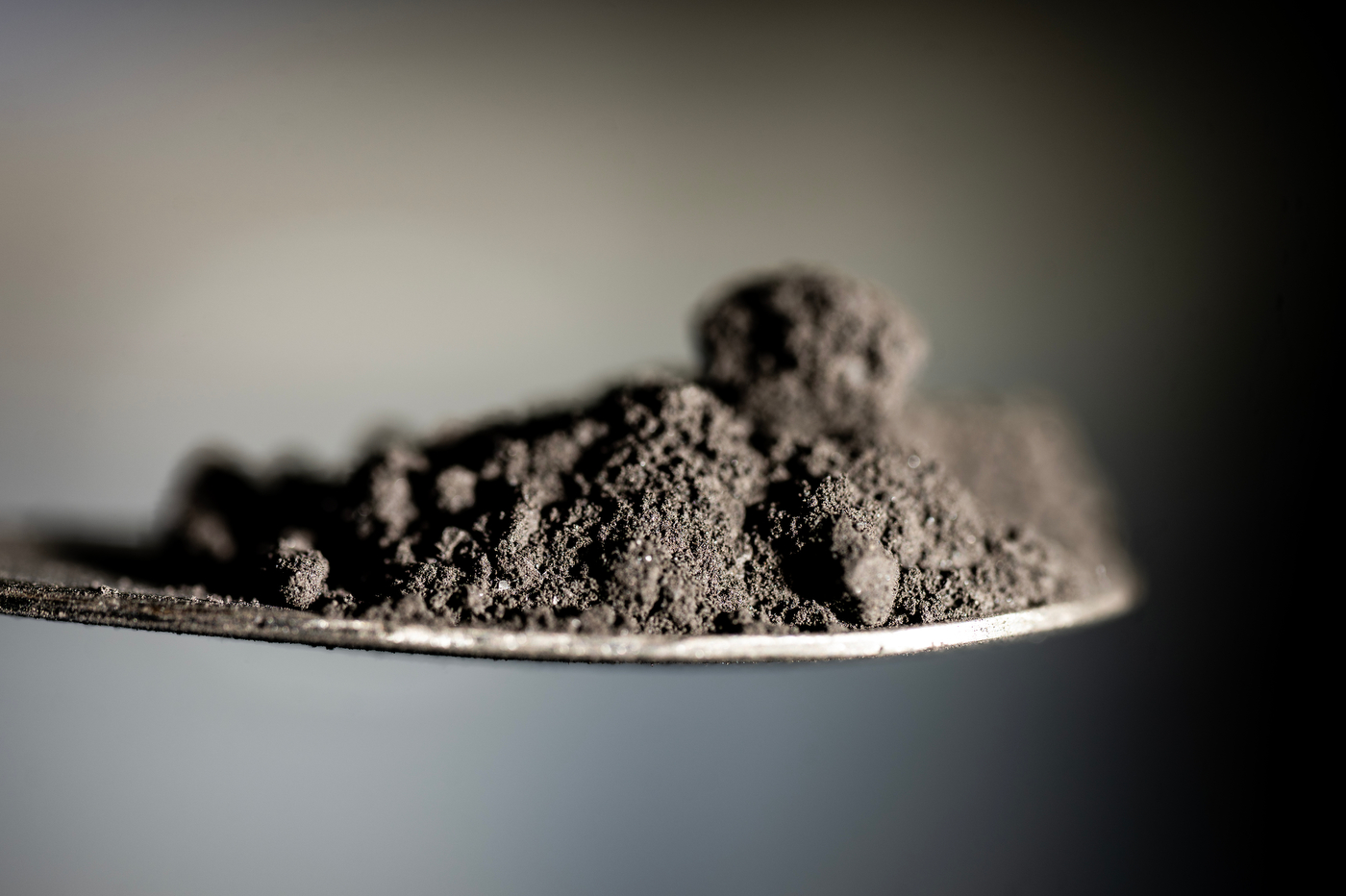
Rare earth element extraction can be doubled with this new technique
New research led by Damilola Daramola has identified a method of extracting rare earth elements from mining waste that is two to three times more efficient than previous approaches. -
Research

Your body is full of medicine — these researchers have finally discovered a way to synthesize it
Northeastern’s Center for Drug Discovery has discovered a way to synthesize cannabinoids endogenous to the human body, which have wide application to drug discovery and creation. -
Research
AI could revolutionize drug discovery. But how can we regulate it?
In health care, AI is moving at warp speed, while regulations lag behind. Jared Auclair proposes a new regulatory framework that would keep AI innovation moving and get drugs to patients in need. -
Research
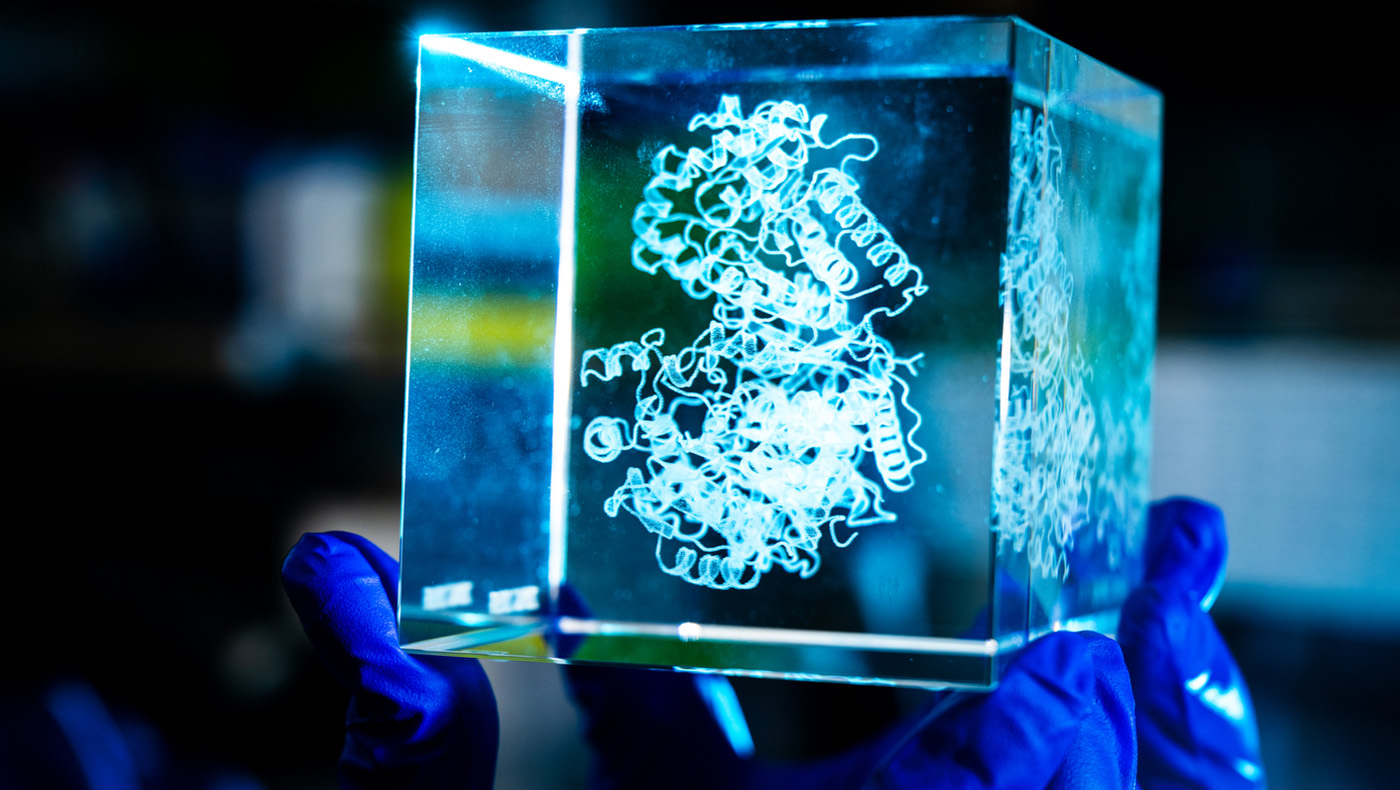
Researchers decode the chemistry behind a deadly genetic disorder
Professors Penny Beuning and Mary Jo Ondrechen used AI to predict which genetic mutations cause OTC deficiency, uncovering clues to guide future treatments. -
Research

What if your Tamagotchi was alive and glowing? This toy prototype is full of bacteria
Northeastern students designed SquidKid, a toy where keeping bioluminescent bacteria alive and glowing is the name of the game. The playful design landed a finalist spot at the international Biodesign Challenge. -
Research
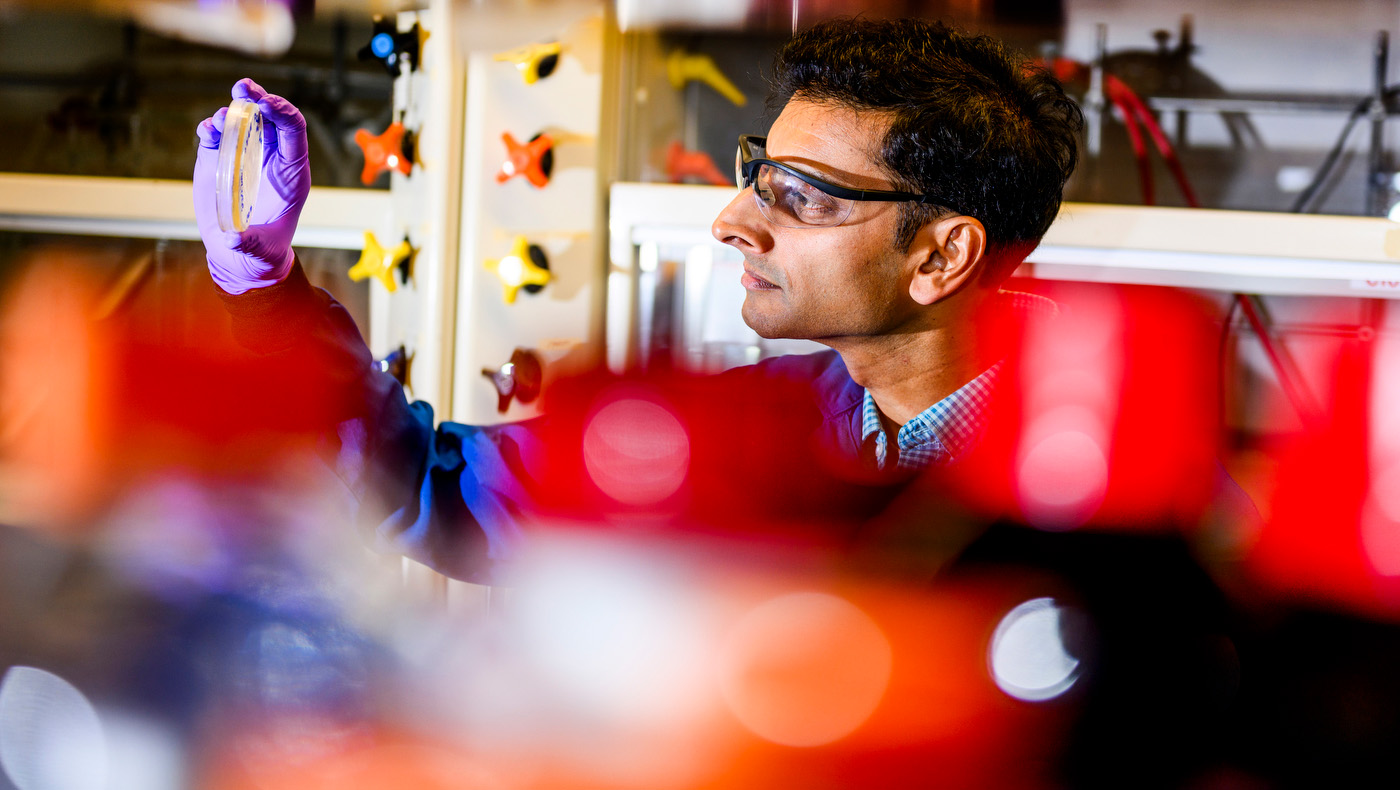
Want to build like biology? These researchers are bridging proteins between bacteria
Researchers Neel Joshi and Rong Chang have discovered a way to engineer E. coli cells to grow into new structures through direct, cell-to-cell contact.