COS News
News
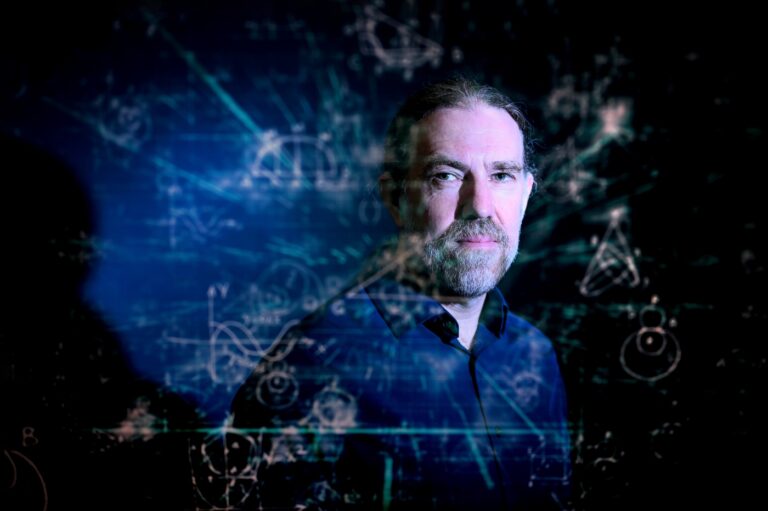
AI is making mathematical history. Experts explore how recent breakthroughs could reshape research, what people bring to the equation and why studying math still opens many doors.
AI is solving math problems that stumped humans. What comes next?
News
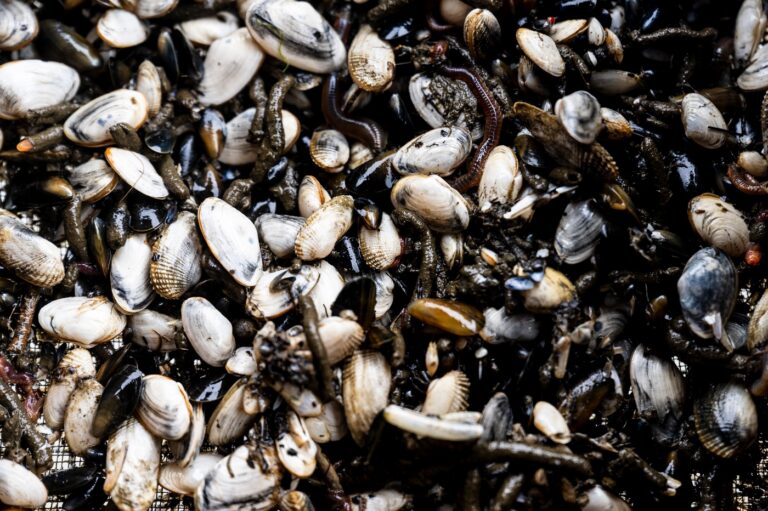
“The soft-shell clam has been a staple fishery in New England for generations,” said David Kimbro, associate professor of marine and environmental sciences at Northeastern.
How Northeastern is helping shellfishers and diners of a New England speciality
Showing 251 results in Physics

What should stay open during the next pandemic? New model weighs protecting public health and the economy
The COVID-19 pandemic not only threatened the health of people around the world, but also exacted a significant toll on the global economy.
Groundbreaking blood test for rheumatoid arthritis treatment is ‘first step towards a better future’ for patients
Seven years ago, Northeastern graduate Susan Dina Ghiassian was the first employee of Scipher Medicine Corp., a precision medicine company co-founded by Northeastern professor Albert-László Barabási.
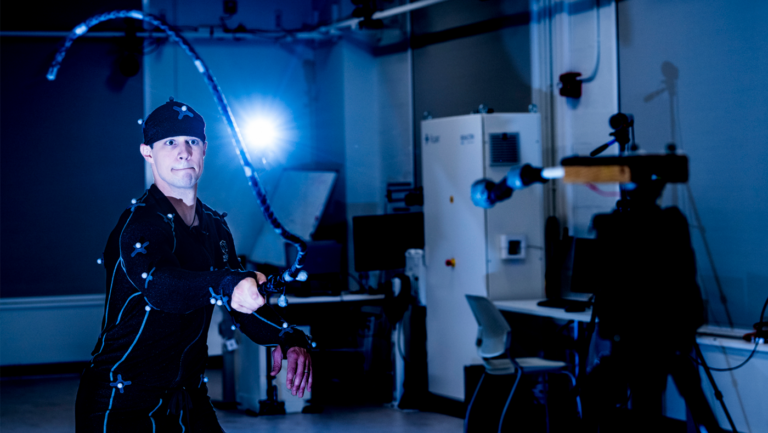
Why do robots need to use whips? Researchers test the extremes of human motor control to advance robotics
On any given day, Richards Hall on Northeastern University’s Boston campus is filled with the sound of students’ shuffling feet or energetic class discussions, but this week you might have heard something else: a whip cracking.
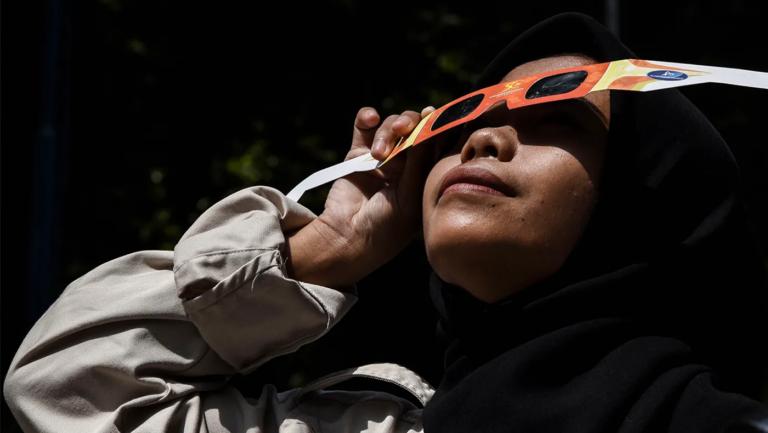
How to safely watch Oct. 14 ‘ring of fire’ eclipse
A spectacular ‘ring of fire’ solar eclipse on Oct. 14 will be a sight worth viewing, but only with proper eye protection, according to Northeastern University experts.
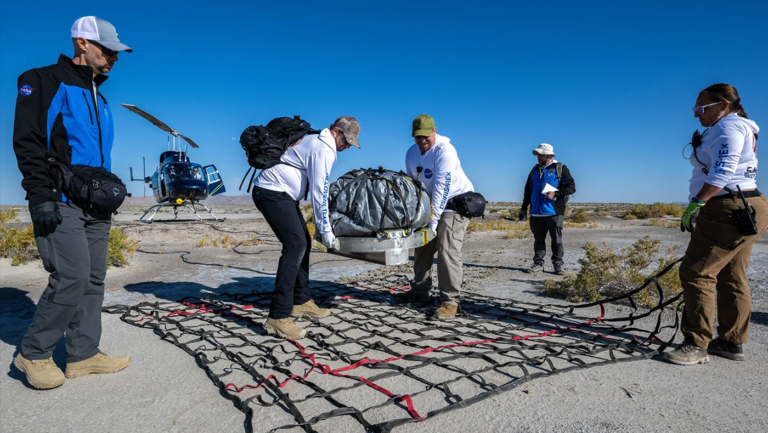
Rock and dust from asteroid Bennu offers unprecedented opportunity to study origins of the solar system, cosmologist says
The recovery of 8.8 ounces of rock and dust from the asteroid Bennu on Sunday is a scientific game changer, says Northeastern physics professor and cosmologist Jacqueline McCleary.
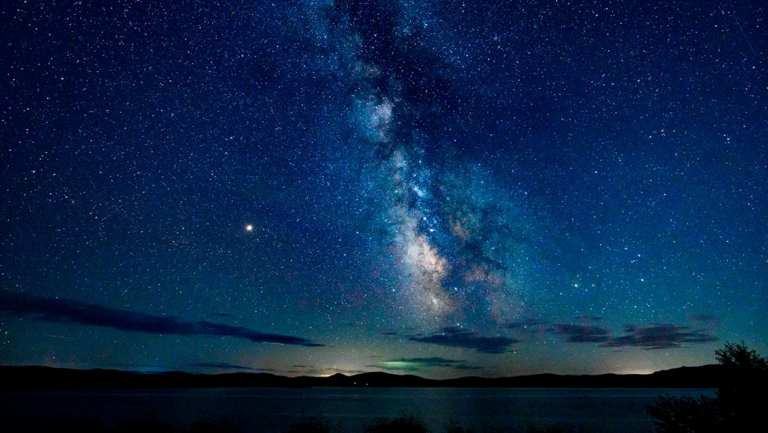
Miss looking up and seeing stars? Light pollution is becoming more and more of a problem, expert says
Look up in the night sky and what do you see? Probably a whole lot of light — and not from celestial bodies.
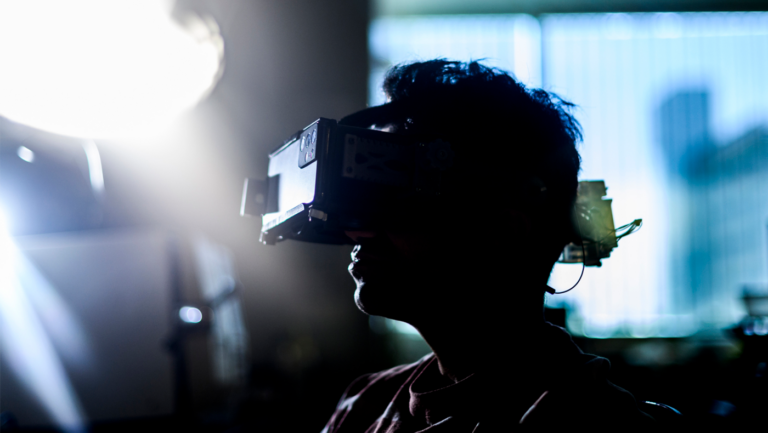
These goggles scan your brain to detect neurological and vision function loss
It combines a smartphone in a virtual reality headset with a brain sensor and plays podcasts.

Northeastern receives $17.5 million from CDC to launch infectious disease prediction center
The Centers for Disease Control and Prevention is giving Northeastern University $17.5 million over the next five years to head an innovation center designed to help detect and prepare the United States for the next outbreak of infectious disease, especially in rural areas.
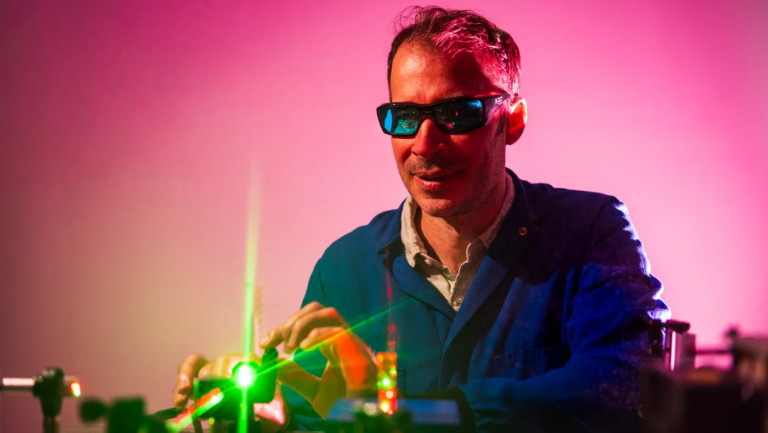
New laser treatment for ovarian cancer gets $2.7 million development grant
A biomedical physics lab at Northeastern has received a $2.7 million grant to develop a new treatment for ovarian cancer that will use lasers to spot and target chemo-resistant cancer cells and boost a patient’s immune system.
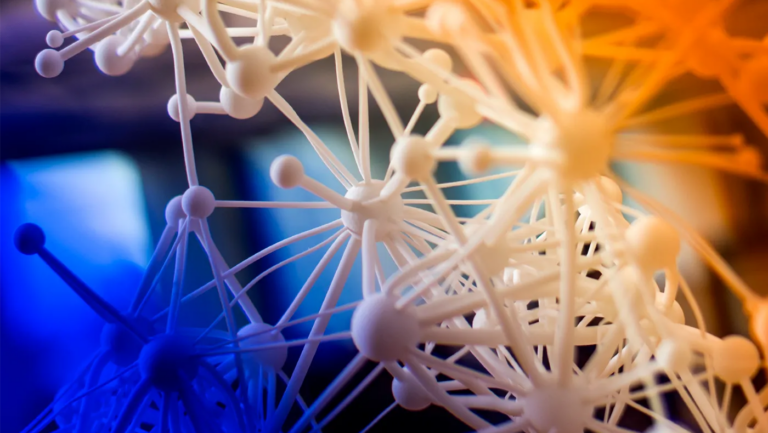
NSF grant will help bring methods of network science to the world of solid materials, establishing new multi-university center
Northeastern will soon embark on a collaborative project to bring the methods of network science to the world of small particles and novel materials, with help from a substantial National Science Foundation grant.
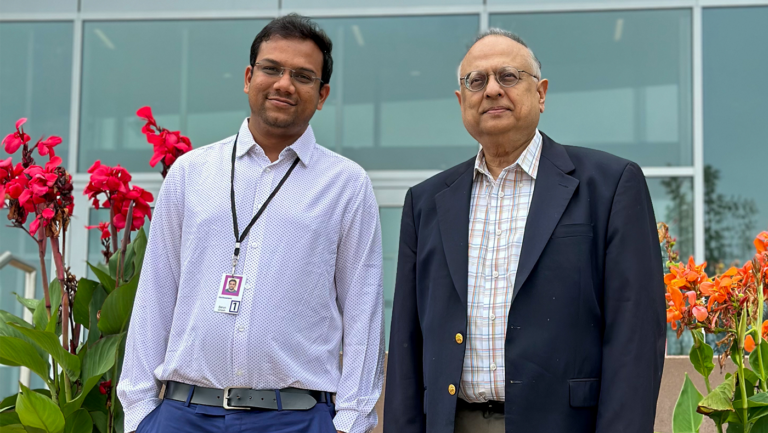
Northeastern’s Department of Physics is spearheading the discovery of revolutionary phenomena in quantum materials
At the intersection of quantum materials and revolutionary technological applications, two Northeastern community members’ latest contribution to "Science" unveils the phenomenon of a new type of nonlinear Hall effect—a discovery with tantalizing implications for our future. Postdoctoral Research Associate Barun Ghosh and University Distinguished Professor Arun Bansil of Northeastern's Department of Physics were recently published in this widely respected and reputable academic journal for their research article, “Quantum metric nonlinear Hall effect in a topological antiferromagnetic heterostructure.”
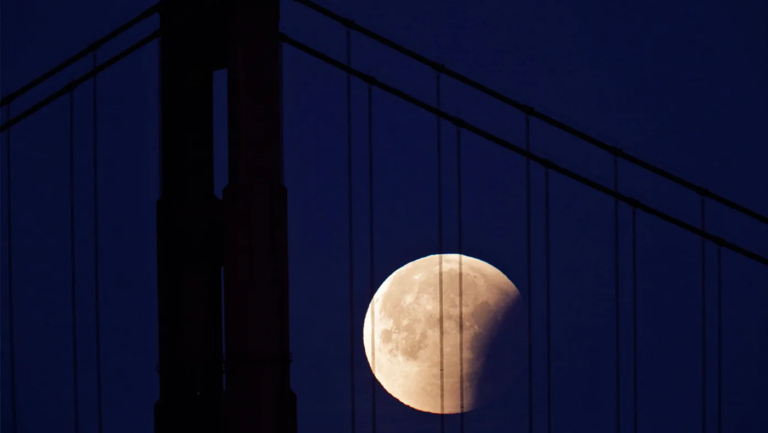
What is a blue supermoon and how rare is the Aug. 30 event?
There’s a blue supermoon in the astronomical forecast for Wednesday, Aug. 30.